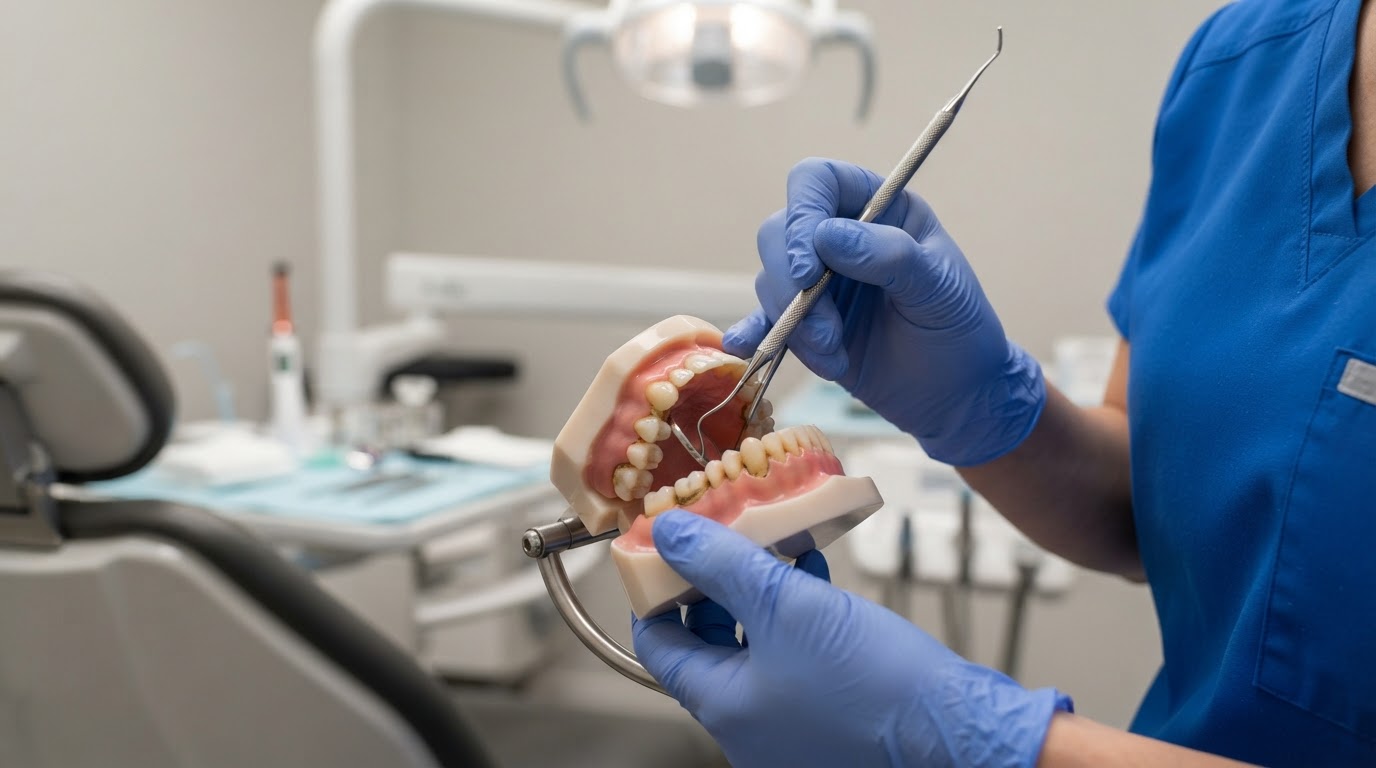
Advanced Instrumentation Techniques for Stubborn Calculus
Evidence-based approaches to remove tenacious burnished calculus while minimizing operator fatigue and protecting root surfaces.
Oct 12, 2023
87 evidence-aware articles for working dental hygienists. Clinical skills, ergonomics, career growth, and patient care, written hygienist-to-hygienist.
Evidence-based approaches to remove tenacious burnished calculus while minimizing operator fatigue and protecting root surfaces.
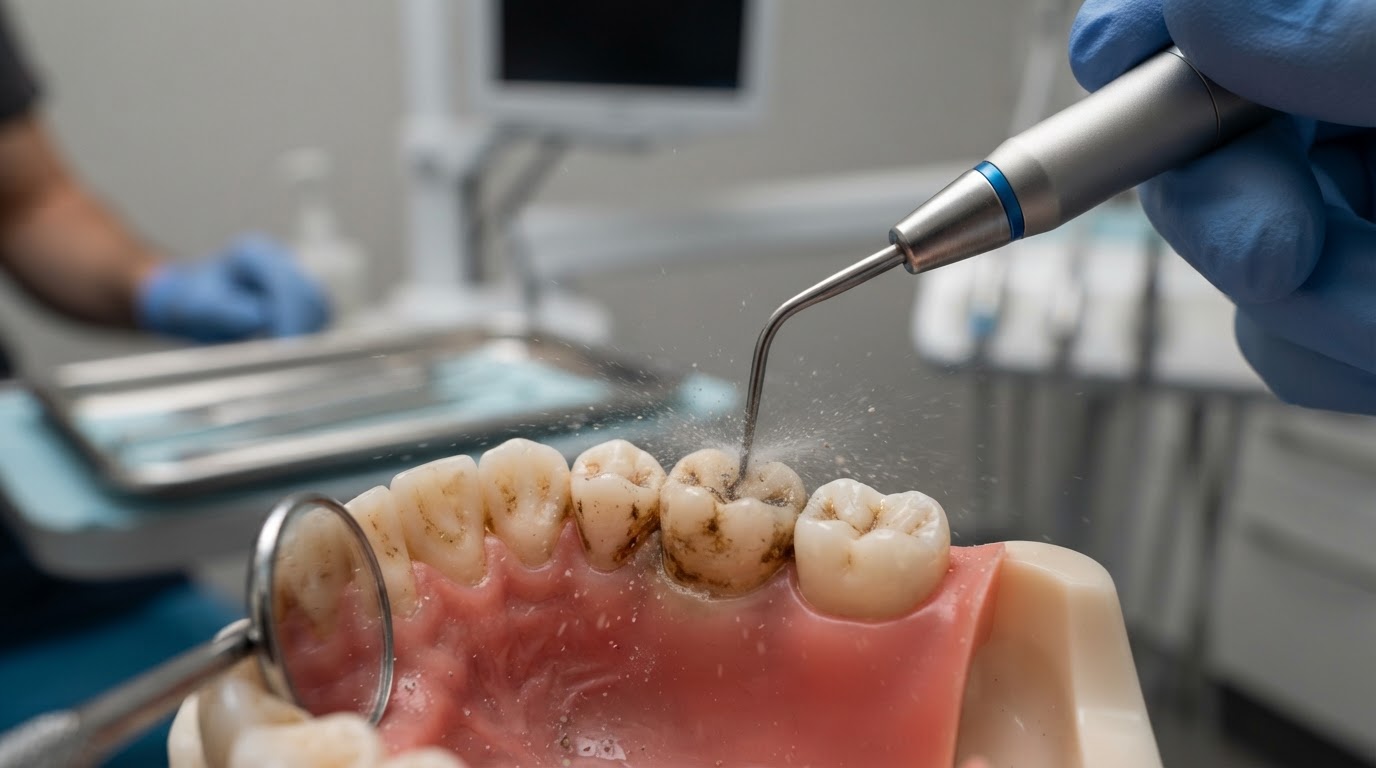
Optimize power scaling technique with tip selection, power settings, and lavage to improve outcomes and patient comfort.
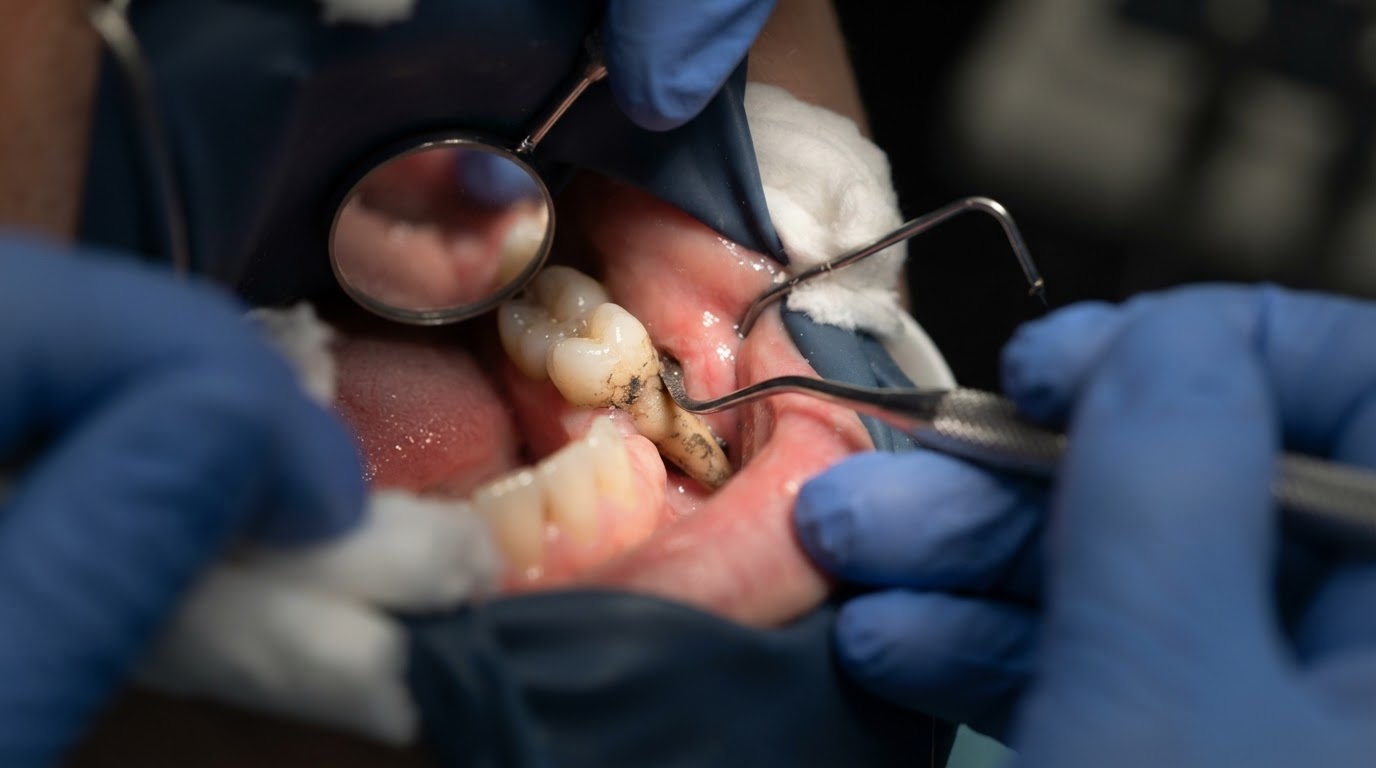
Master Gracey curette blade adaptation with correct working strokes, fulcrums, and site-specific instrument selection.
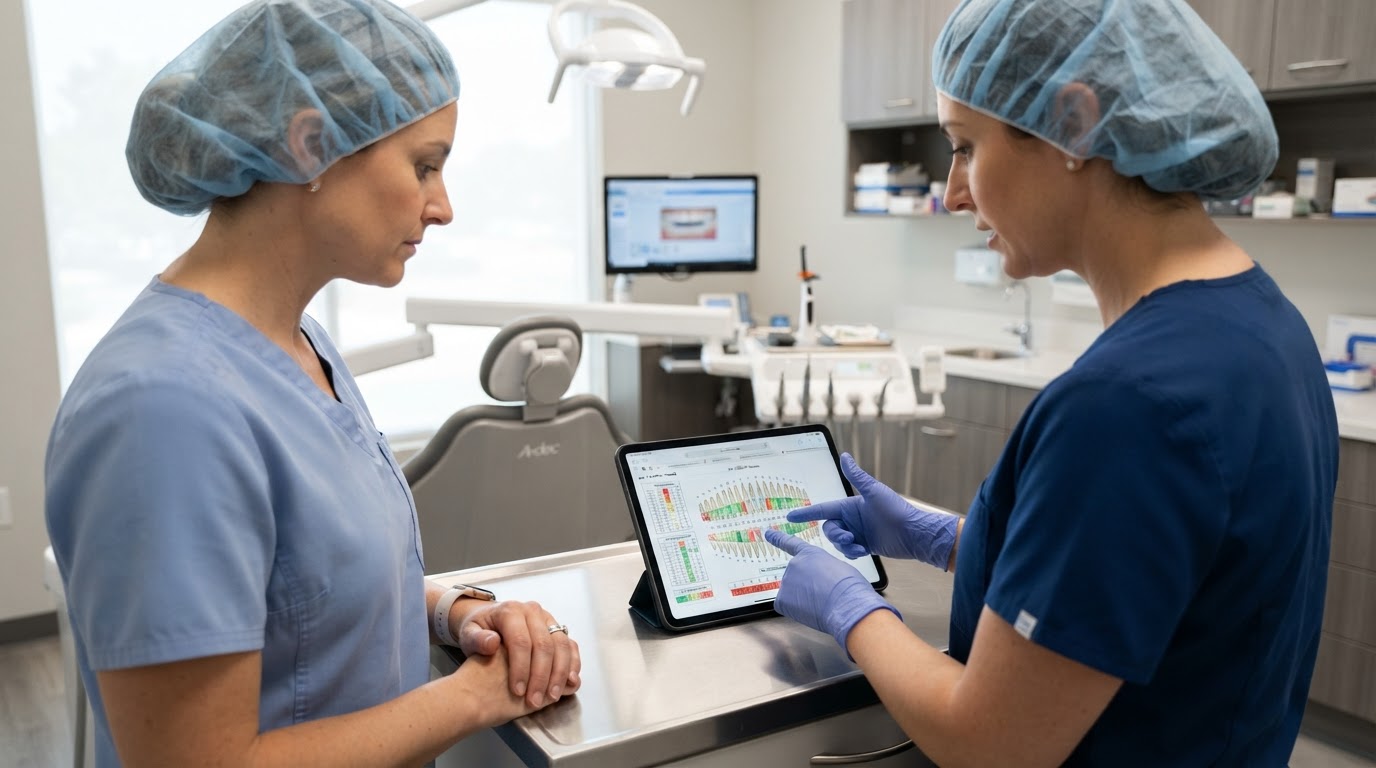
A standardized probing protocol improves diagnostic accuracy and supports defensible, reproducible periodontal records.
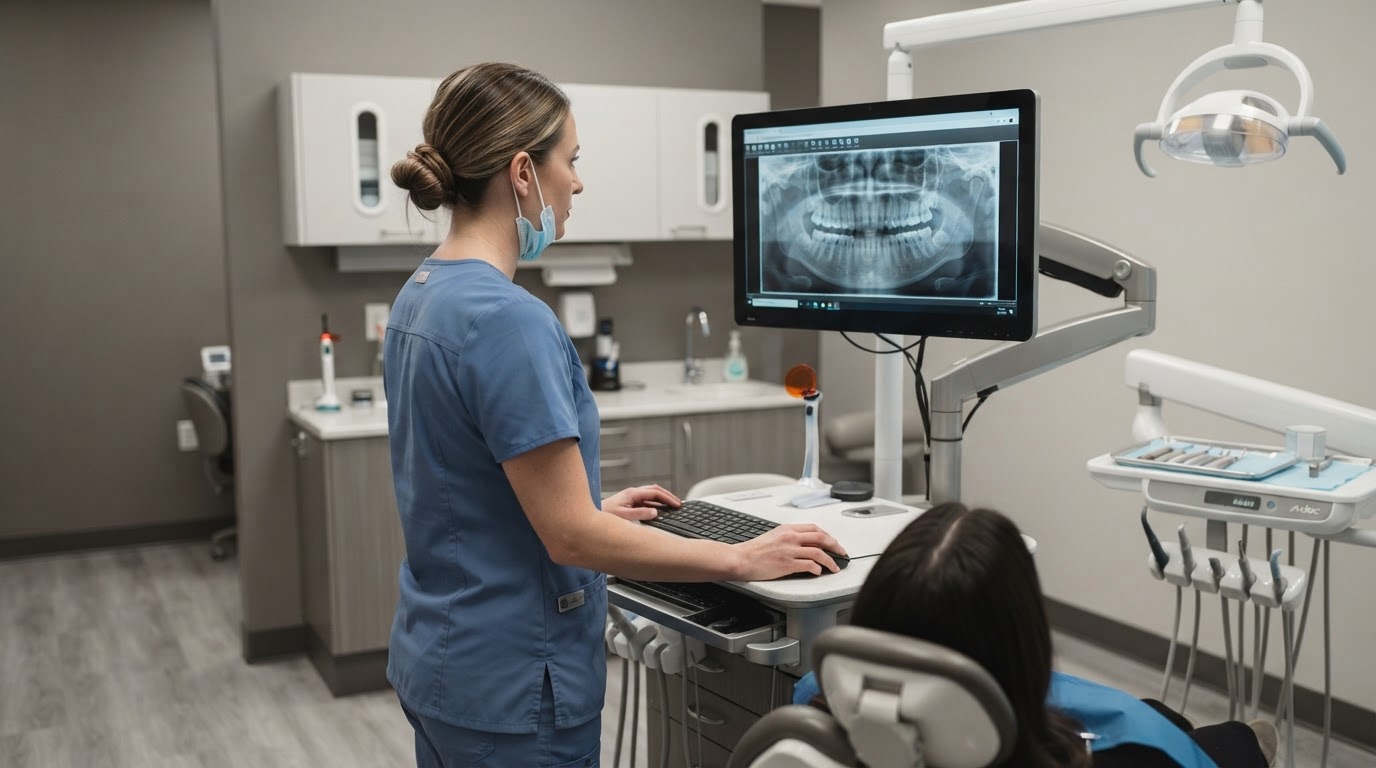
Sharpen image assessment skills to identify calculus, bone loss, and pathology and support the diagnostic workflow.
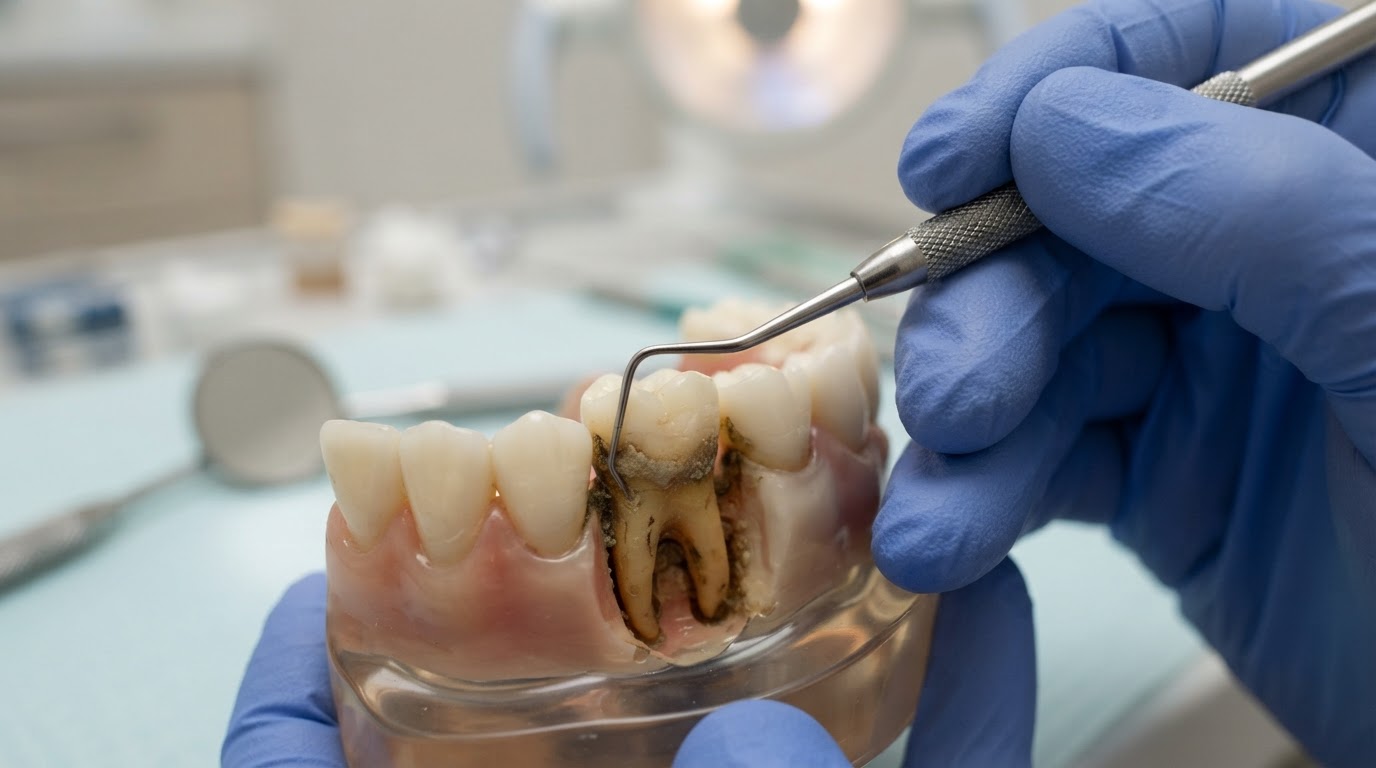
Combine tactile, visual, and adjunctive detection methods to find subgingival calculus you might otherwise miss.
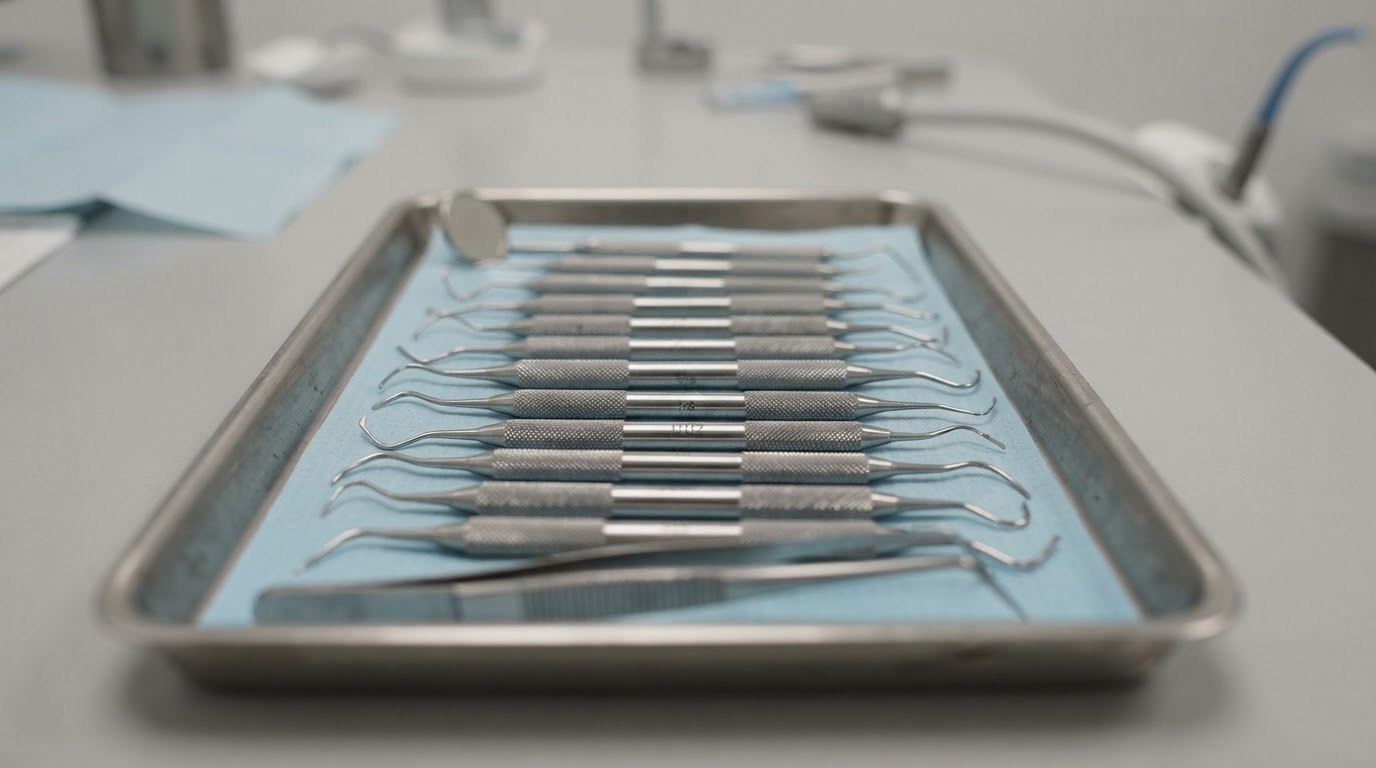
Maintain cutting efficiency and tactile sensitivity with a consistent sharpening routine and inspection process.
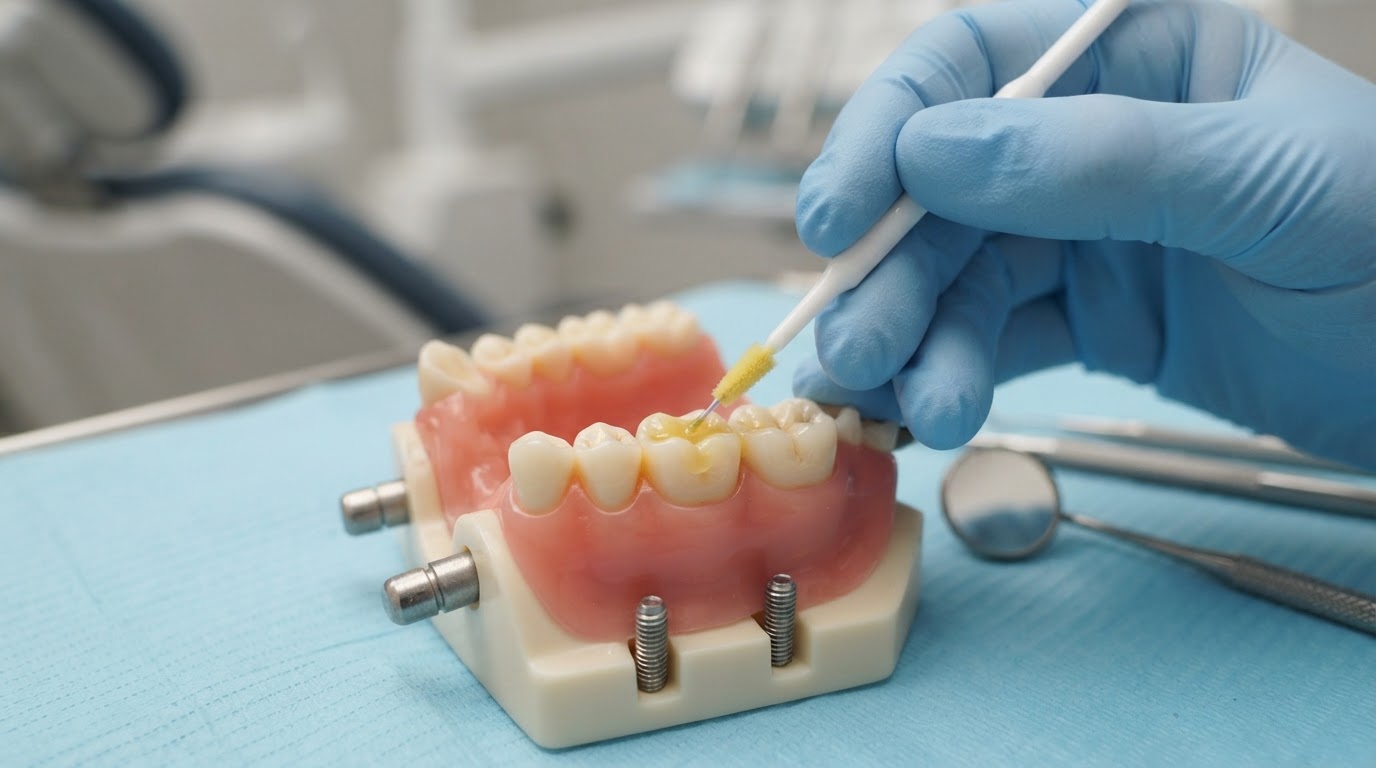
Apply fluoride varnish effectively using evidence-based indications, technique, and post-application guidance for patients.
Use a structured caries risk assessment to individualize recall intervals, fluoride, and patient education.
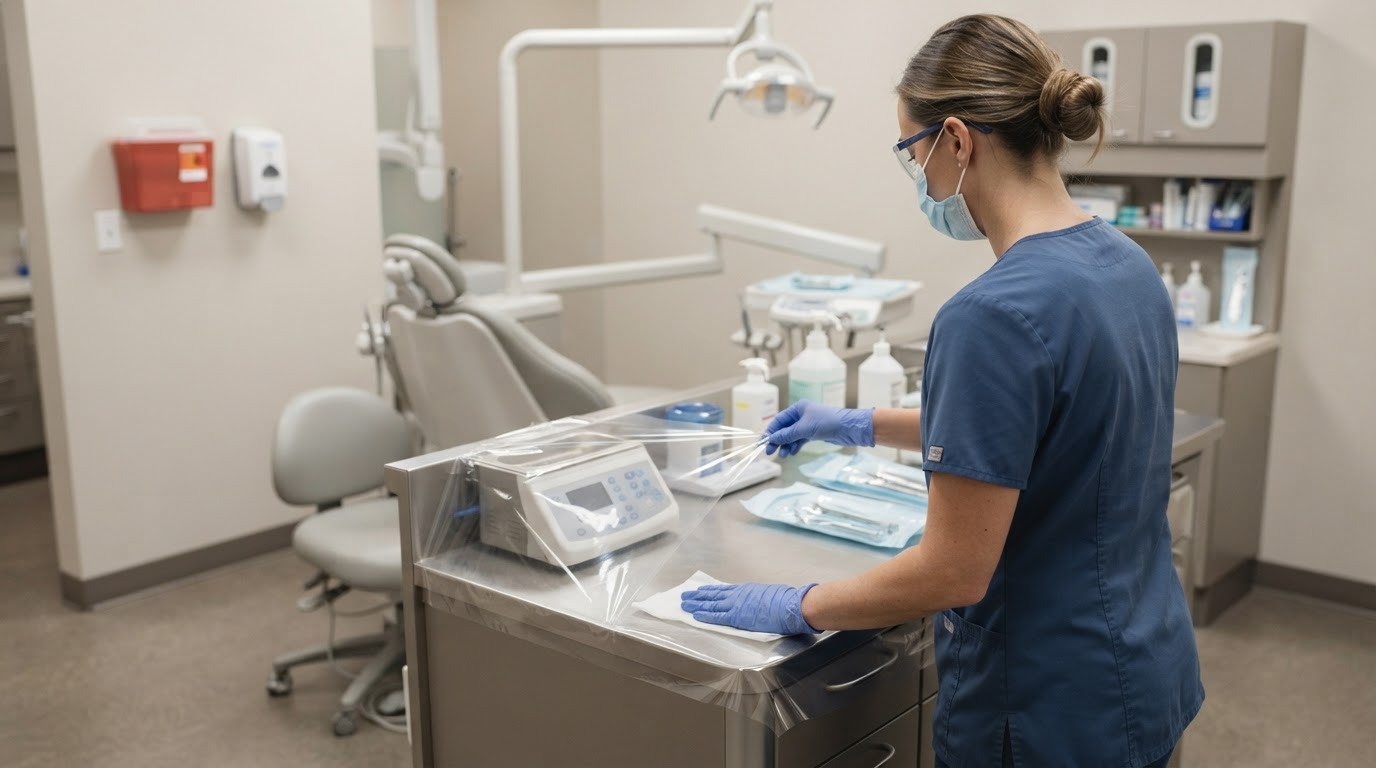
Reduce aerosol exposure with pre-procedural rinsing, high-volume evacuation, and barrier protocols that protect everyone.
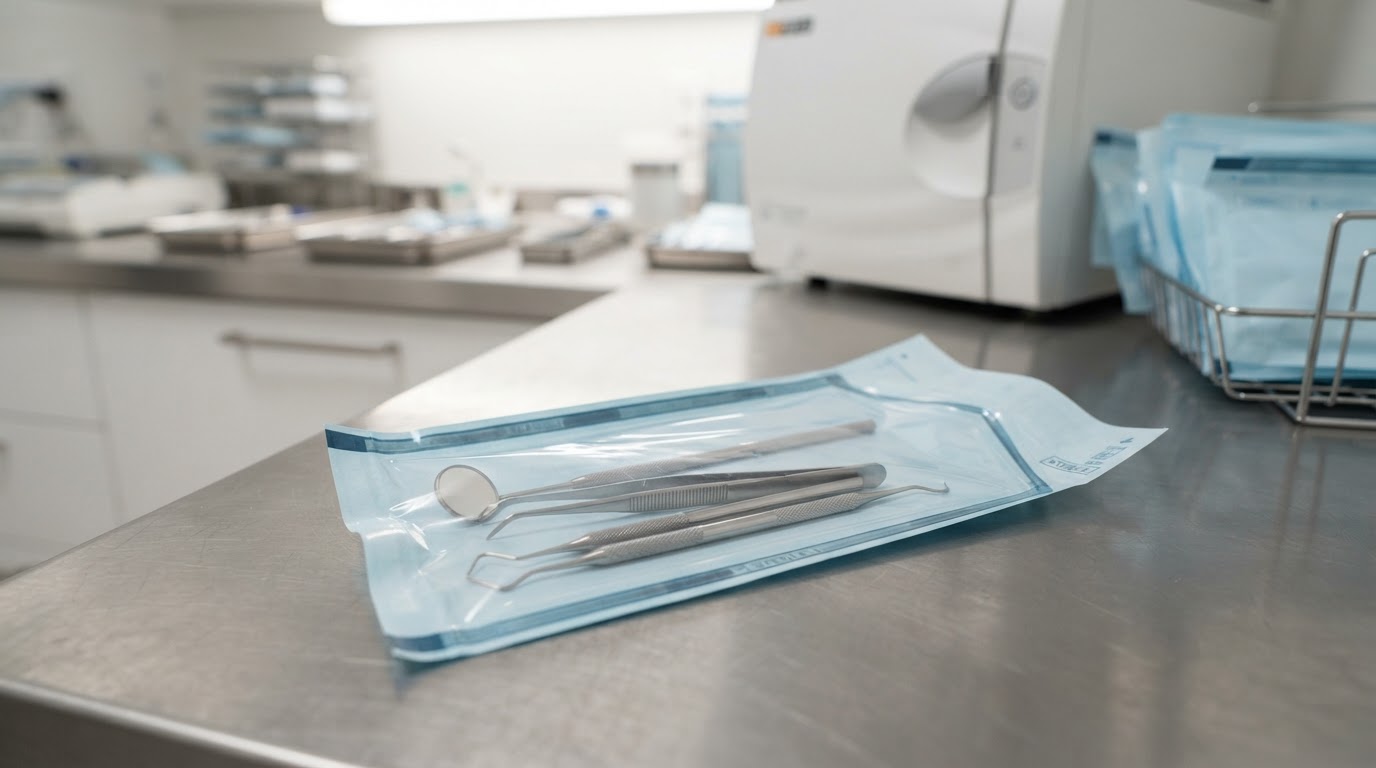
A practical, repeatable infection control checklist covering sterilization, barriers, and documentation for every appointment.
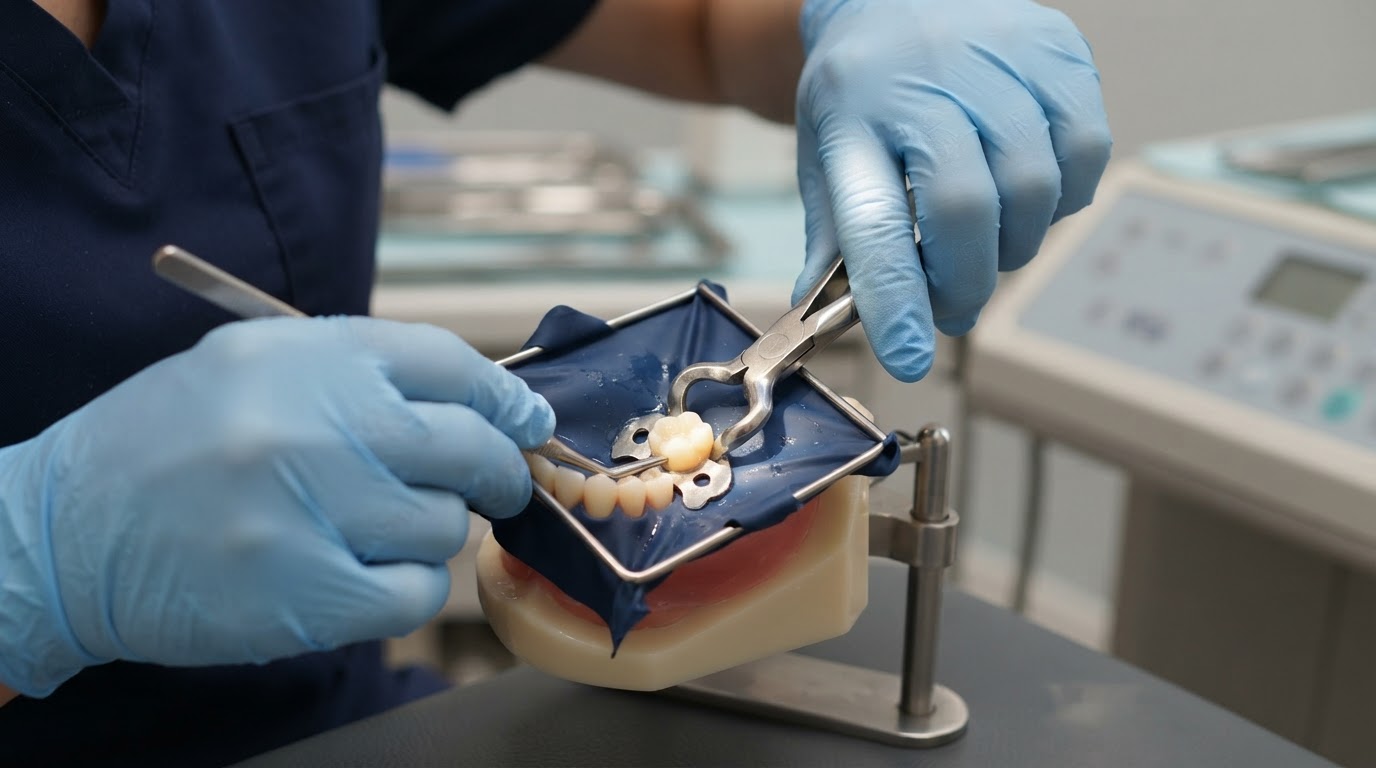
Improve moisture control and field visibility with proper rubber dam clamp selection, placement, and removal technique.
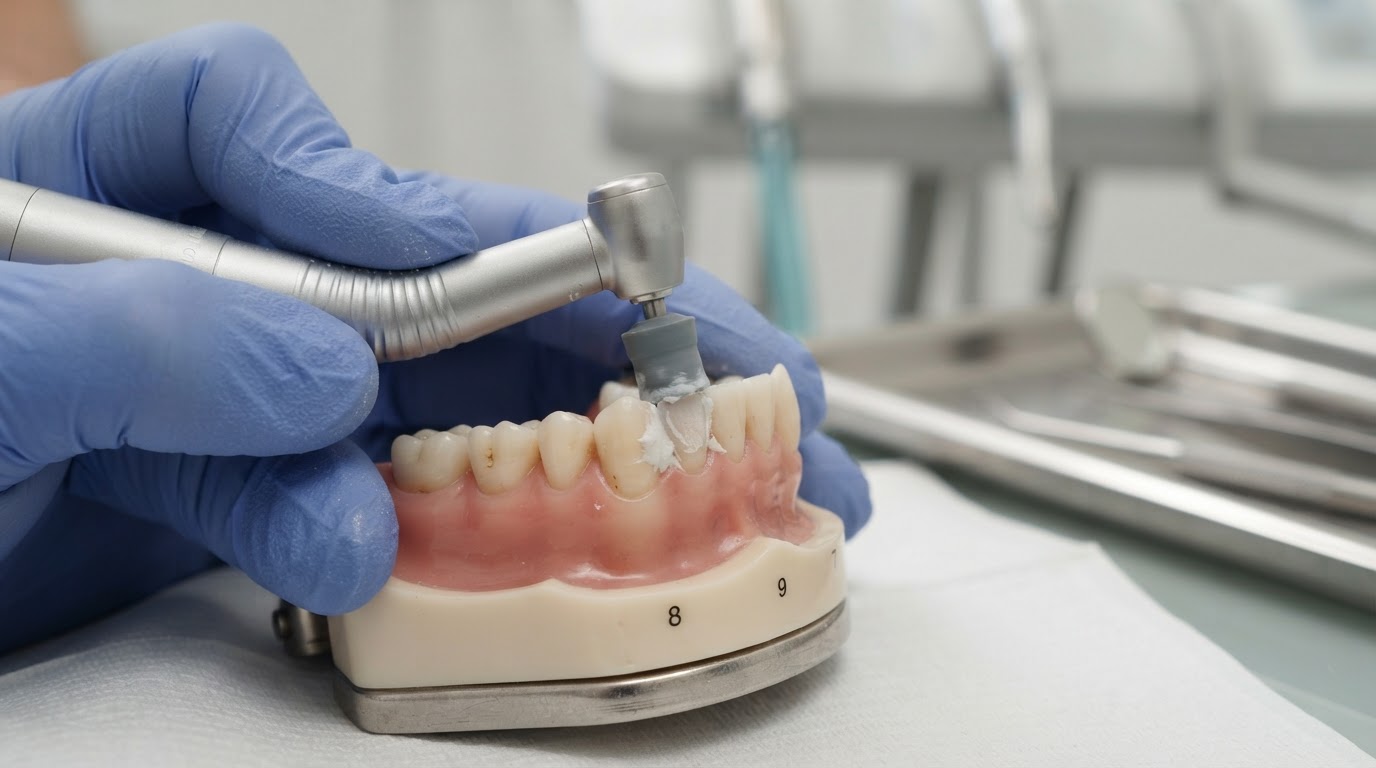
Match prophy paste grit and flavor to the clinical indication without damaging restorations or enamel surfaces.
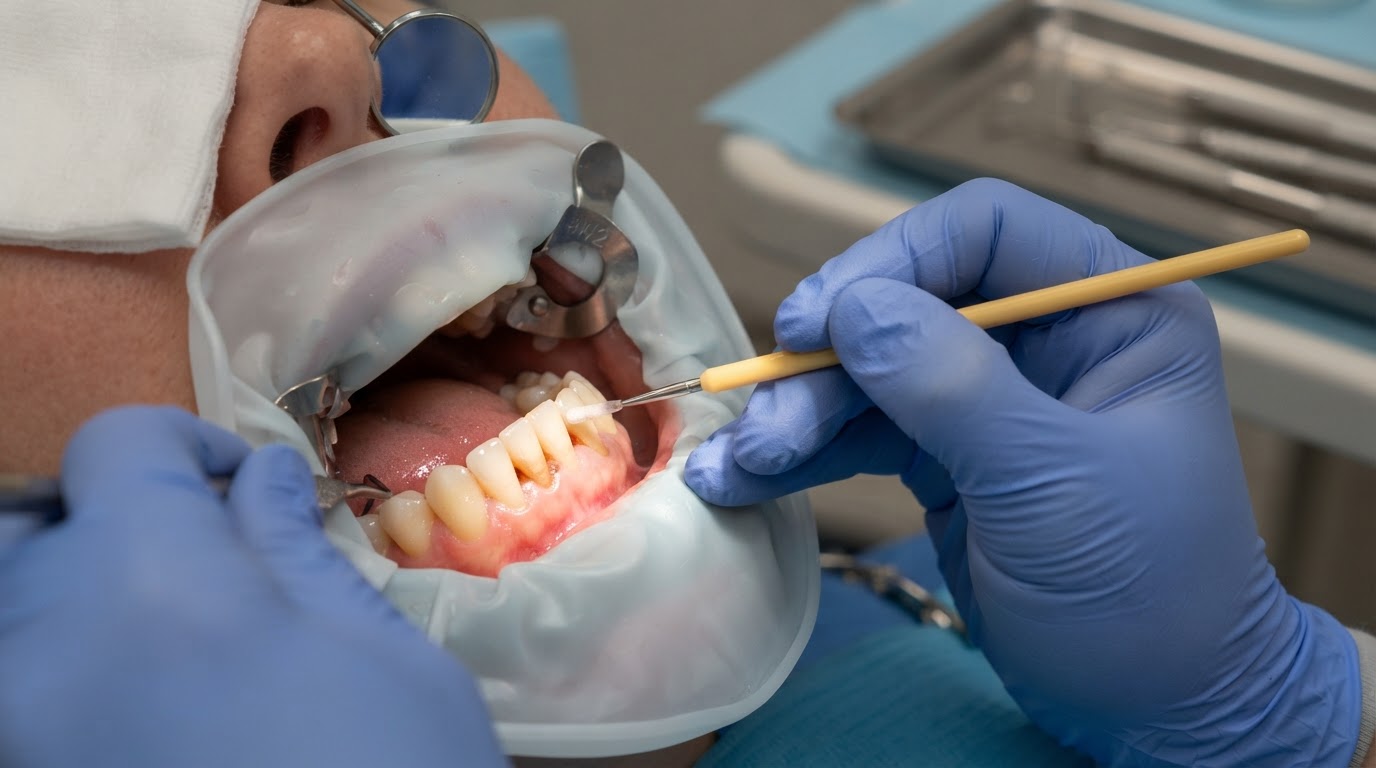
Reduce chairside hypersensitivity with desensitizing agents, technique adjustment, and patient-centered communication.
Prevent percutaneous injuries with safe handling, disposal, and a clear post-exposure response path for the team.
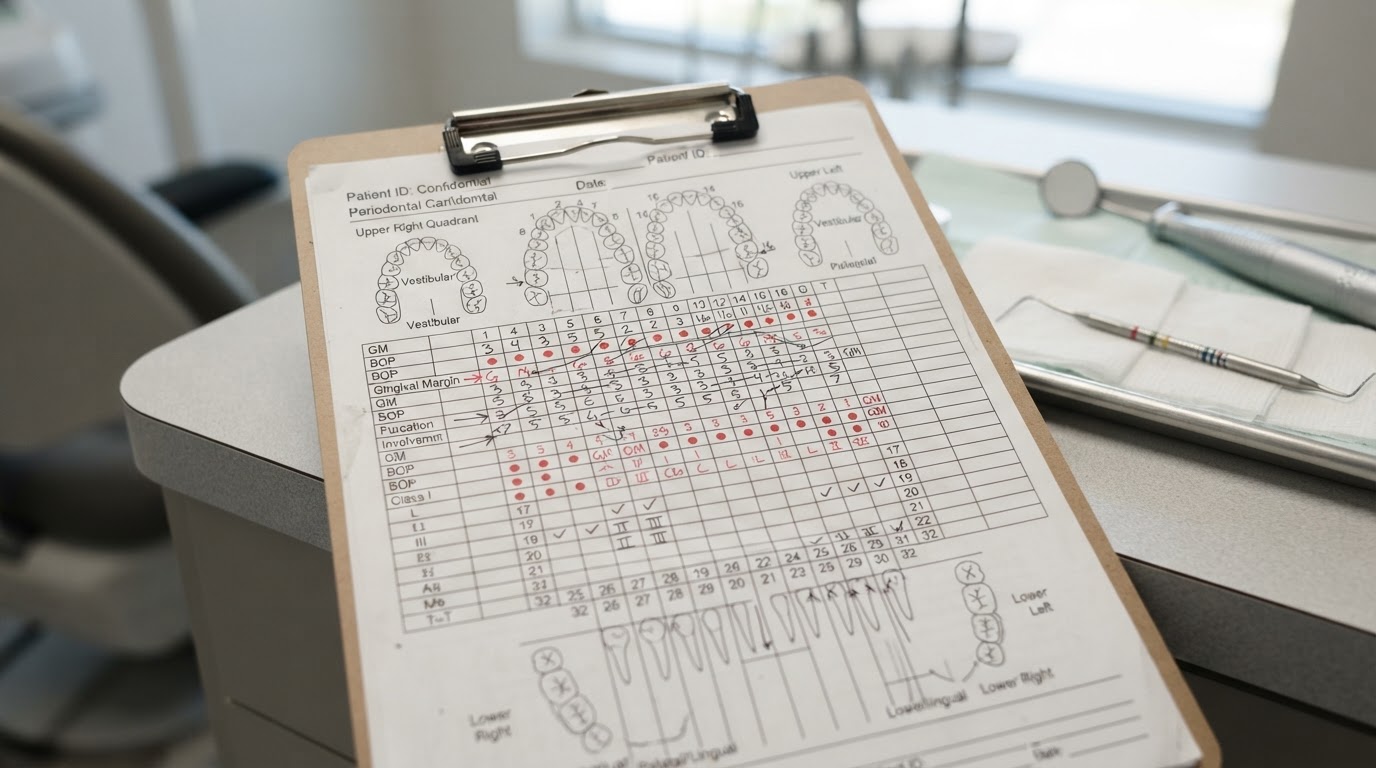
Individualize periodontal maintenance intervals based on disease severity, risk, and patient self-care effectiveness.
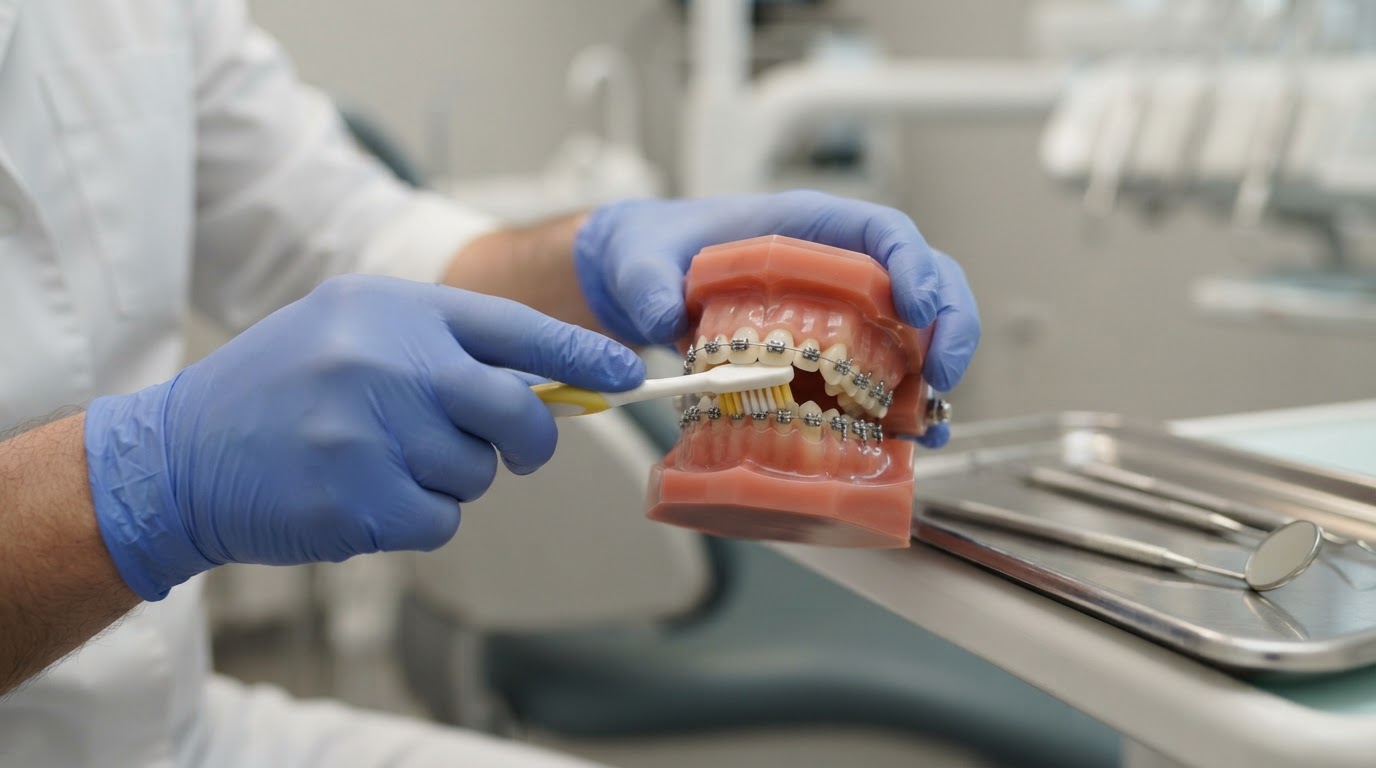
Deliver individualized home-care coaching with a structured assess, demonstrate, and confirm approach that patients retain.
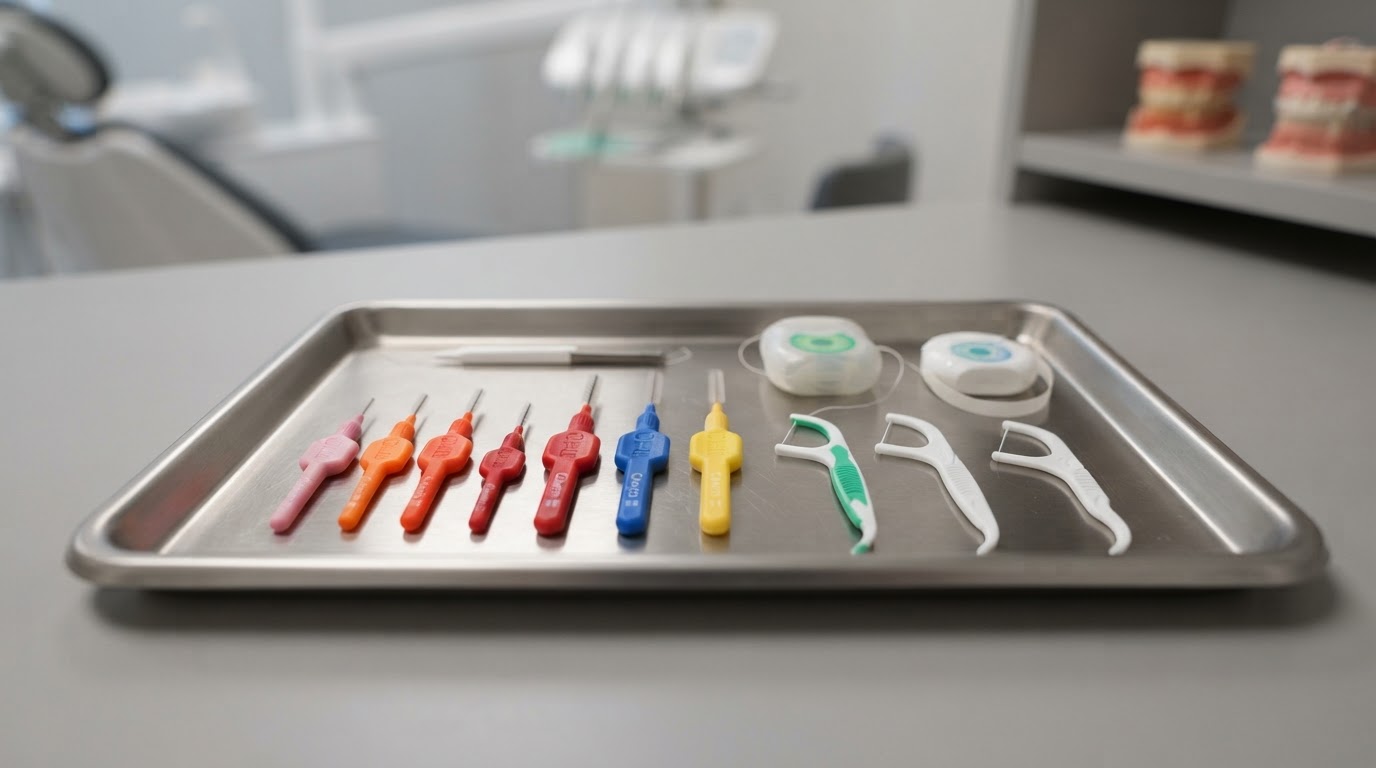
Help patients build consistent interdental habits with the right tools, technique demonstration, and realistic goals.
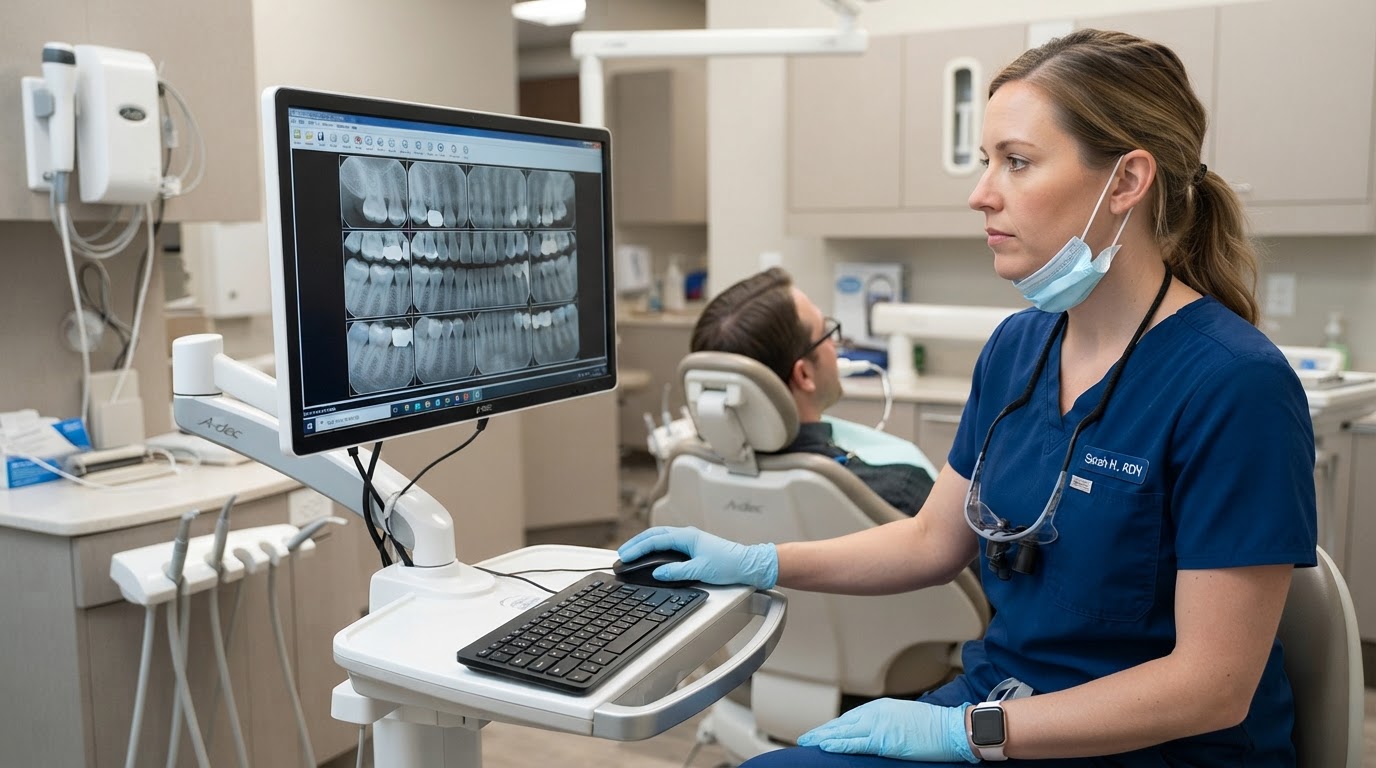
Choose the right radiographic series based on caries risk, periodontal status, and current evidence-based guidelines.
Balance thorough debridement with aerosol reduction using lavage tuning, tip choice, and high-volume evacuation.
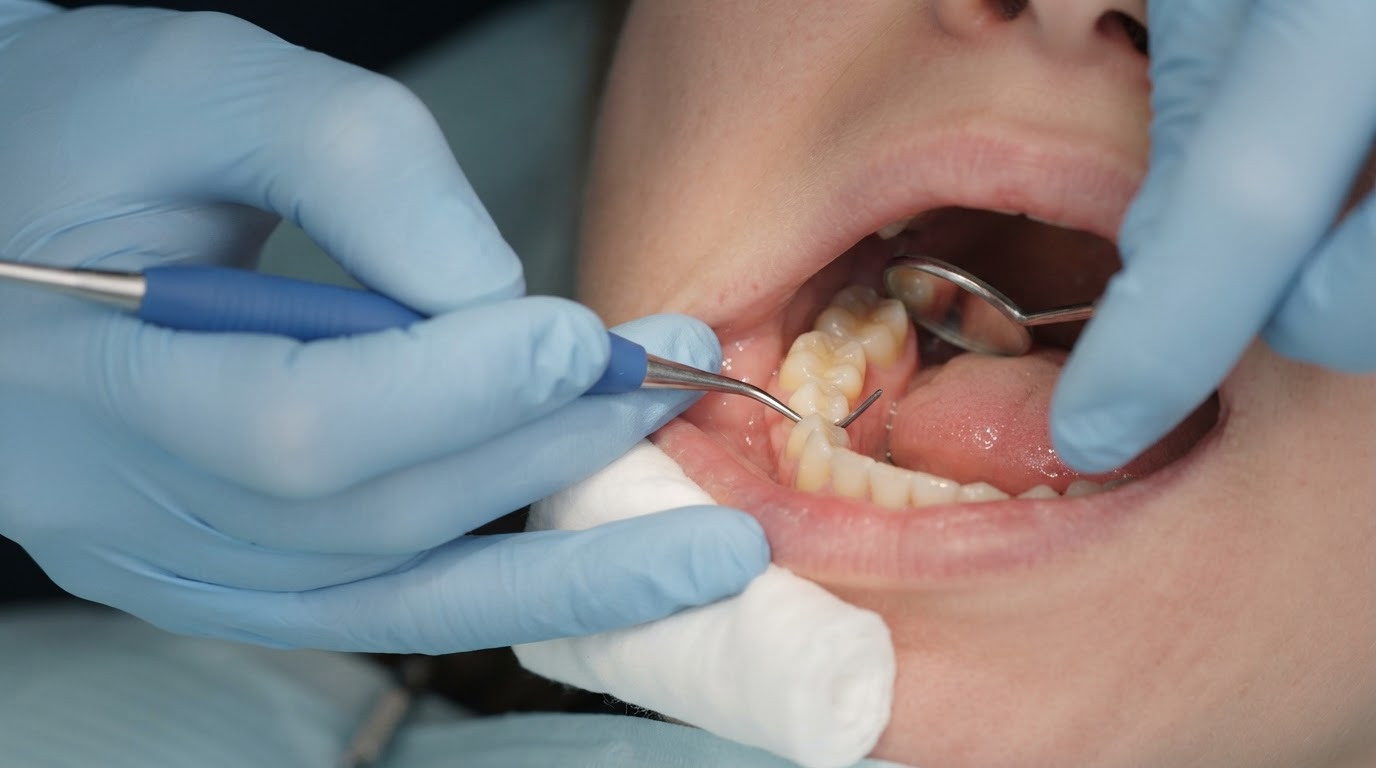
Refine your modified pen grasp to balance control and relaxation, reducing hand fatigue without sacrificing precision.
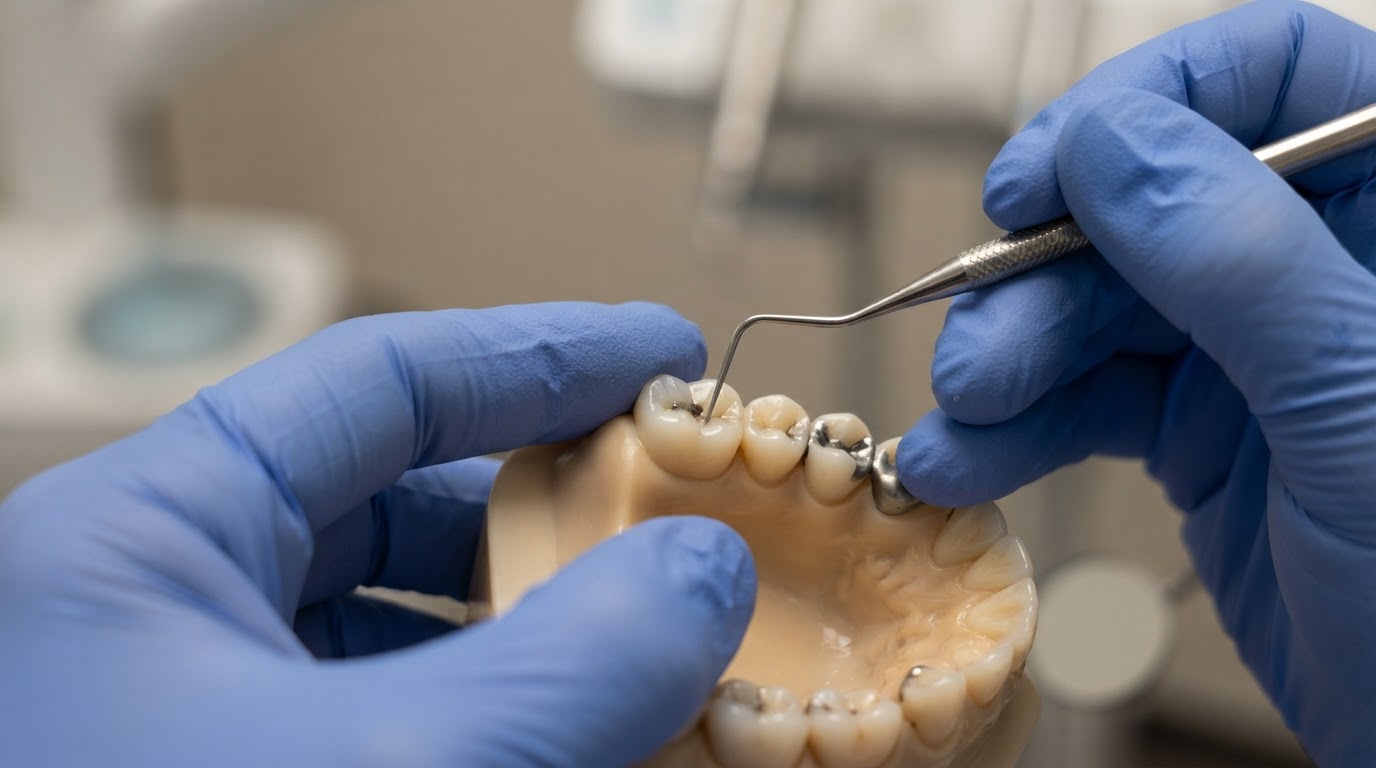
Evaluate existing restoration margins for integrity, overhangs, and recurrent concerns to support the diagnostic workflow.
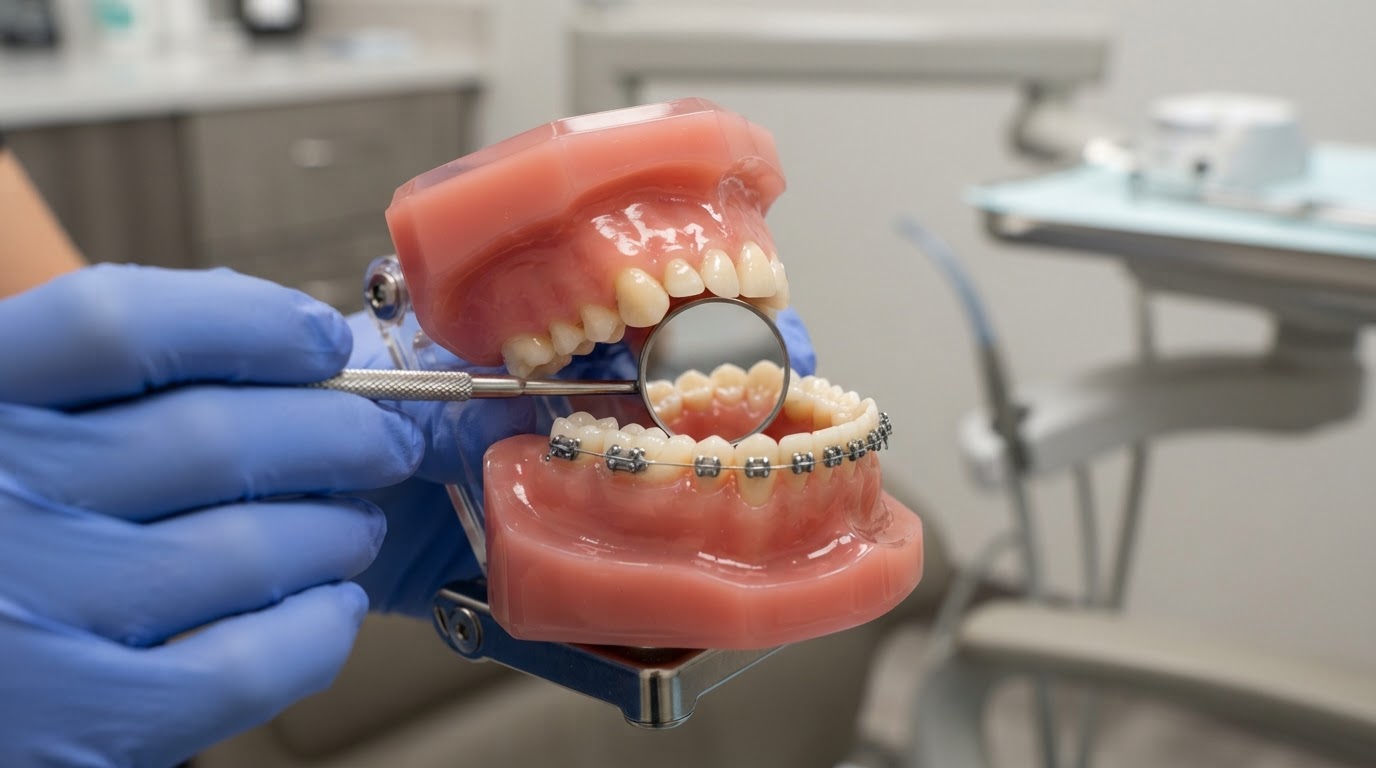
Integrate intraoral imaging into the hygiene appointment to make findings visible and improve patient understanding.
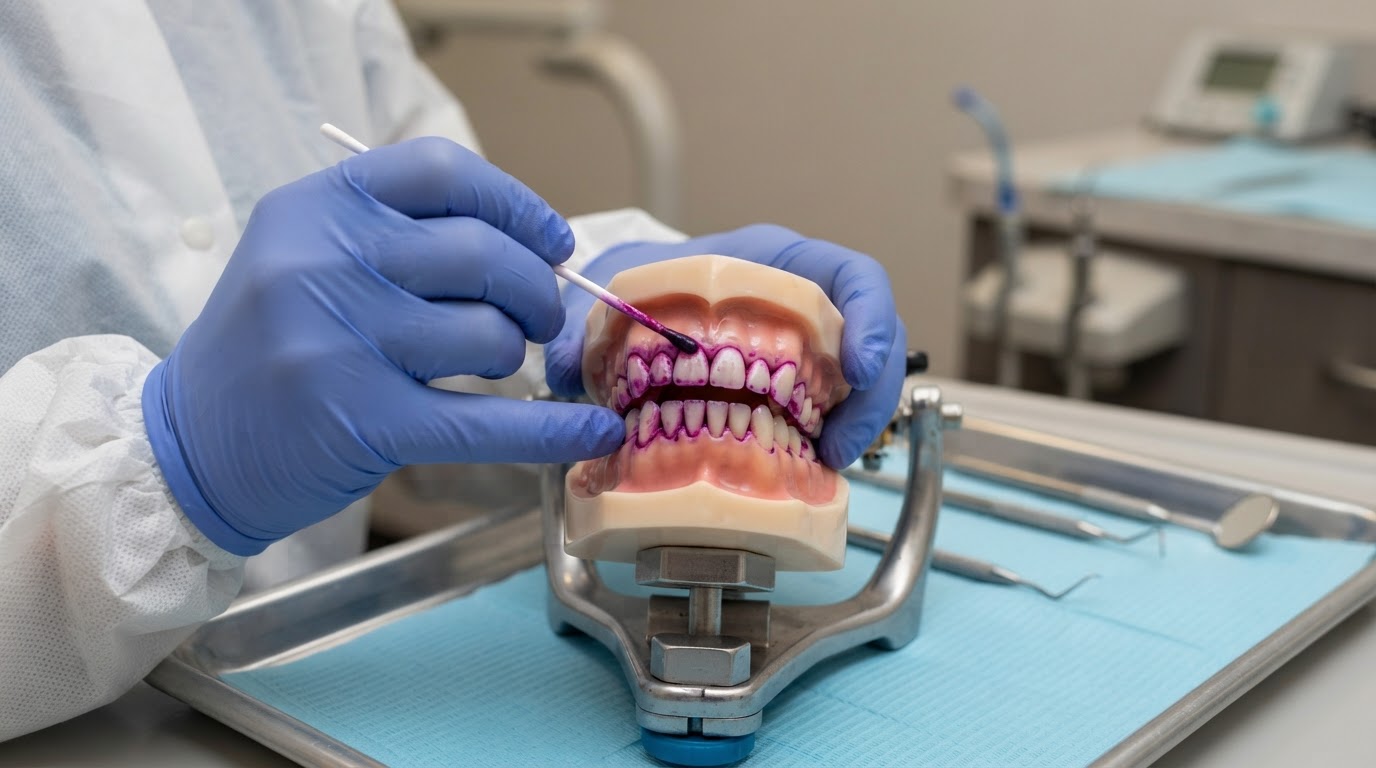
Use disclosing solution to make biofilm visible, individualize coaching, and give patients concrete feedback on technique.
Conduct a systematic medical history review that identifies risk factors, medication effects, and necessary modifications.
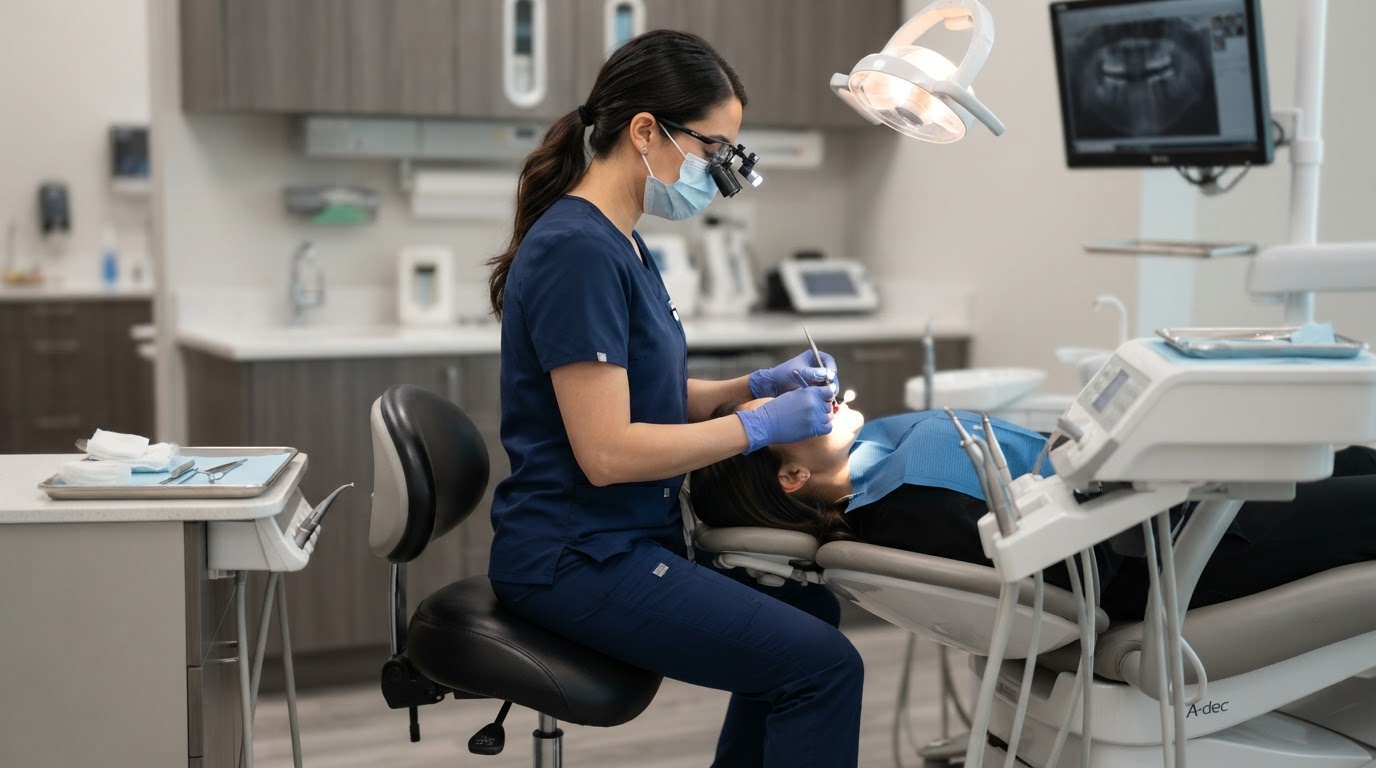
Establish a neutral seated posture that protects your spine, shoulders, and wrists across a full day of patient care.
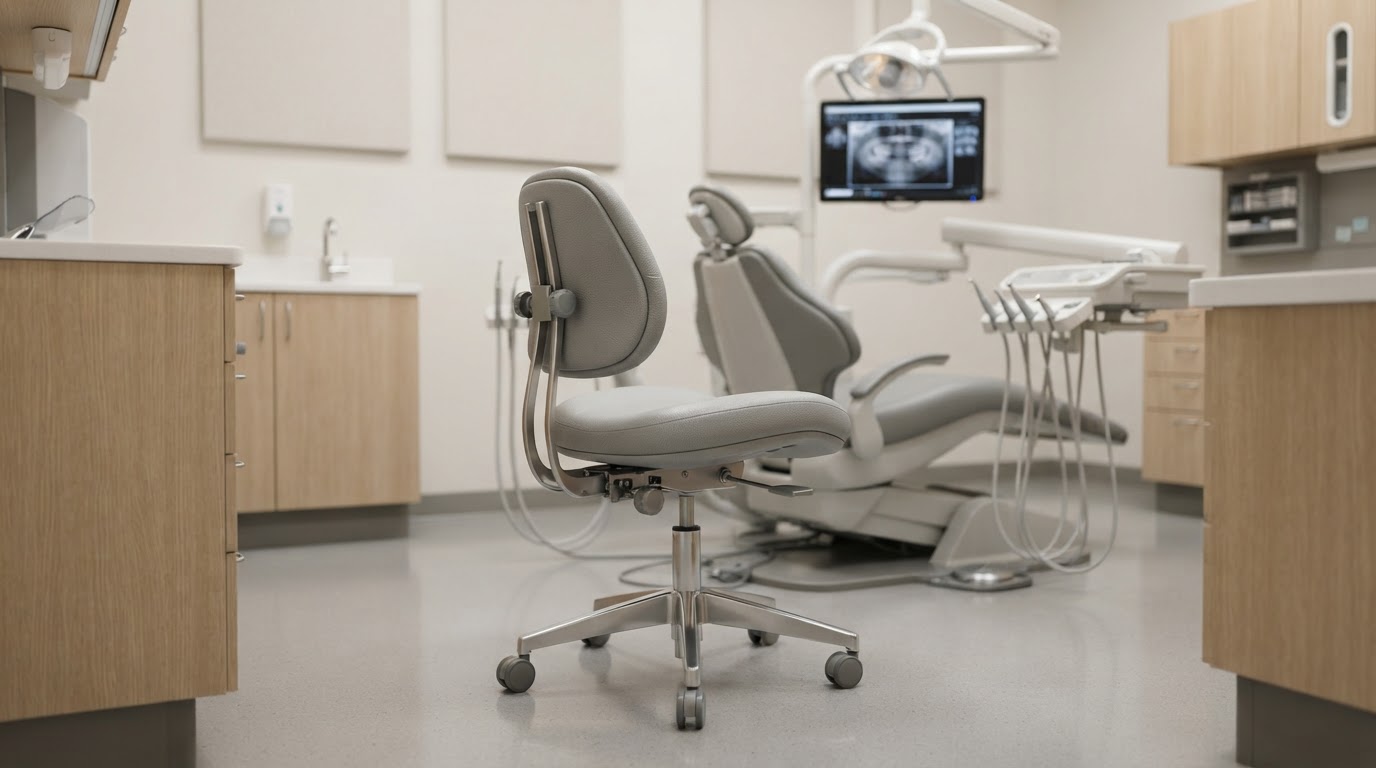
Evaluate whether a saddle stool supports your neutral posture, hip position, and reach during clinical care.
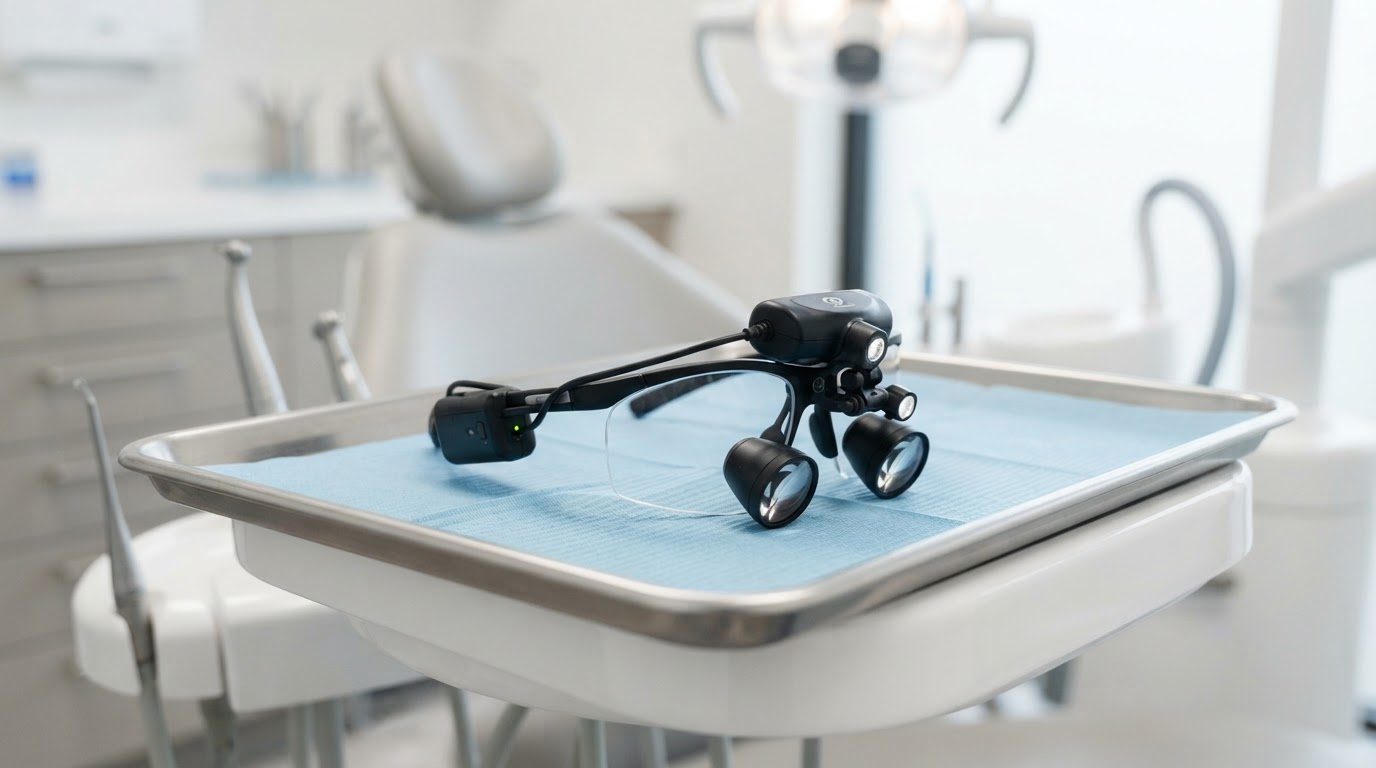
Select and adjust loupes and a headlight to improve visibility while protecting your neck and upper back.
Adjust every part of your operator stool, from seat height to backrest angle, to support sustained neutral posture.
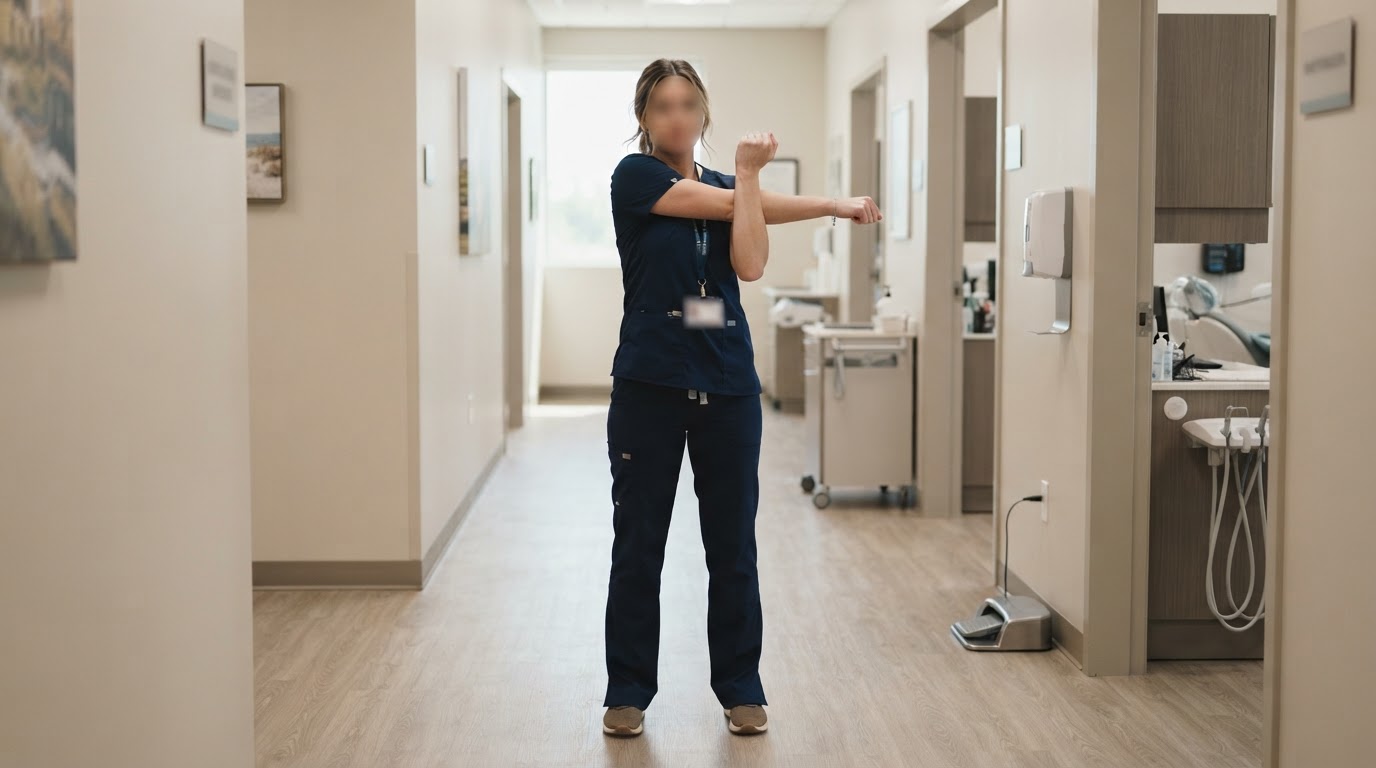
Use a short, targeted stretching routine between patients to counter sustained posture and reduce cumulative strain.
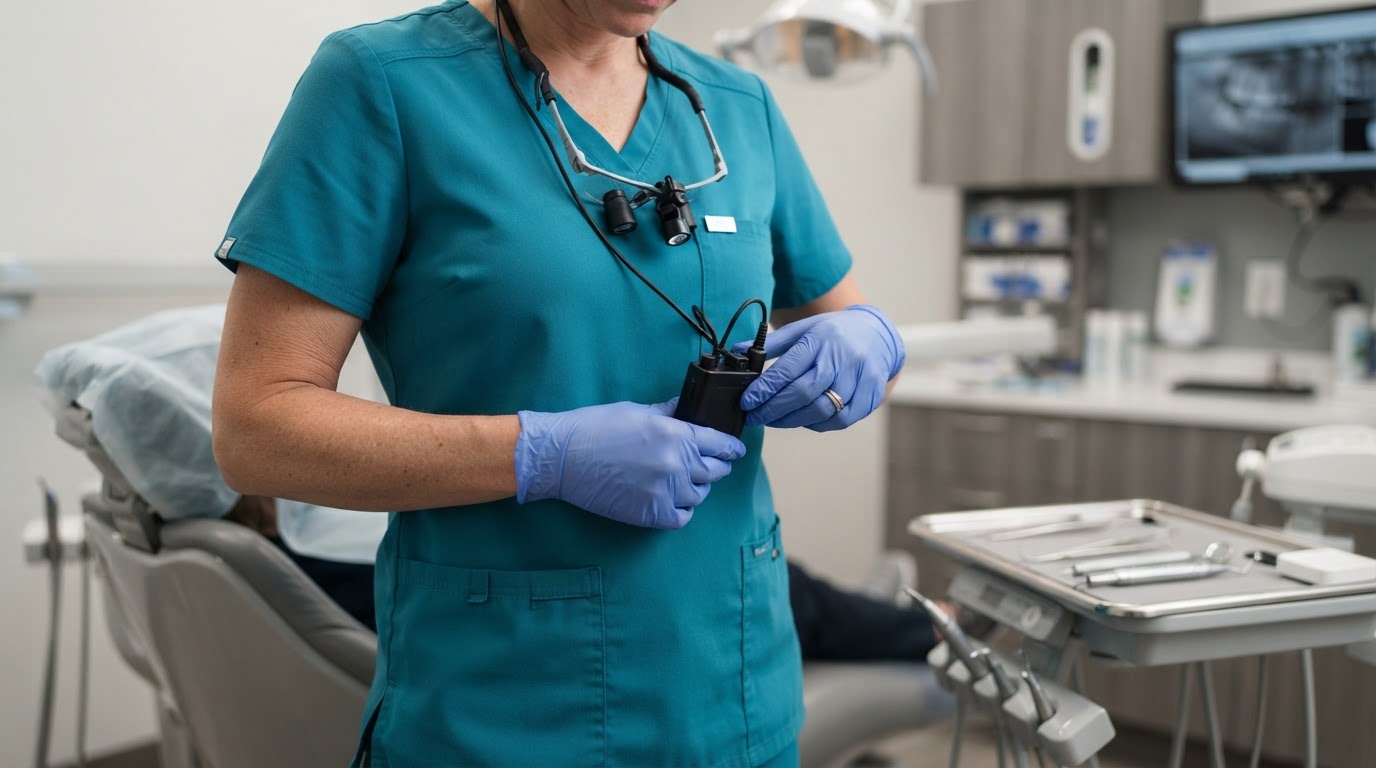
Manage headlight batteries and cords to avoid mid-procedure failures and cord drag that strains your posture.
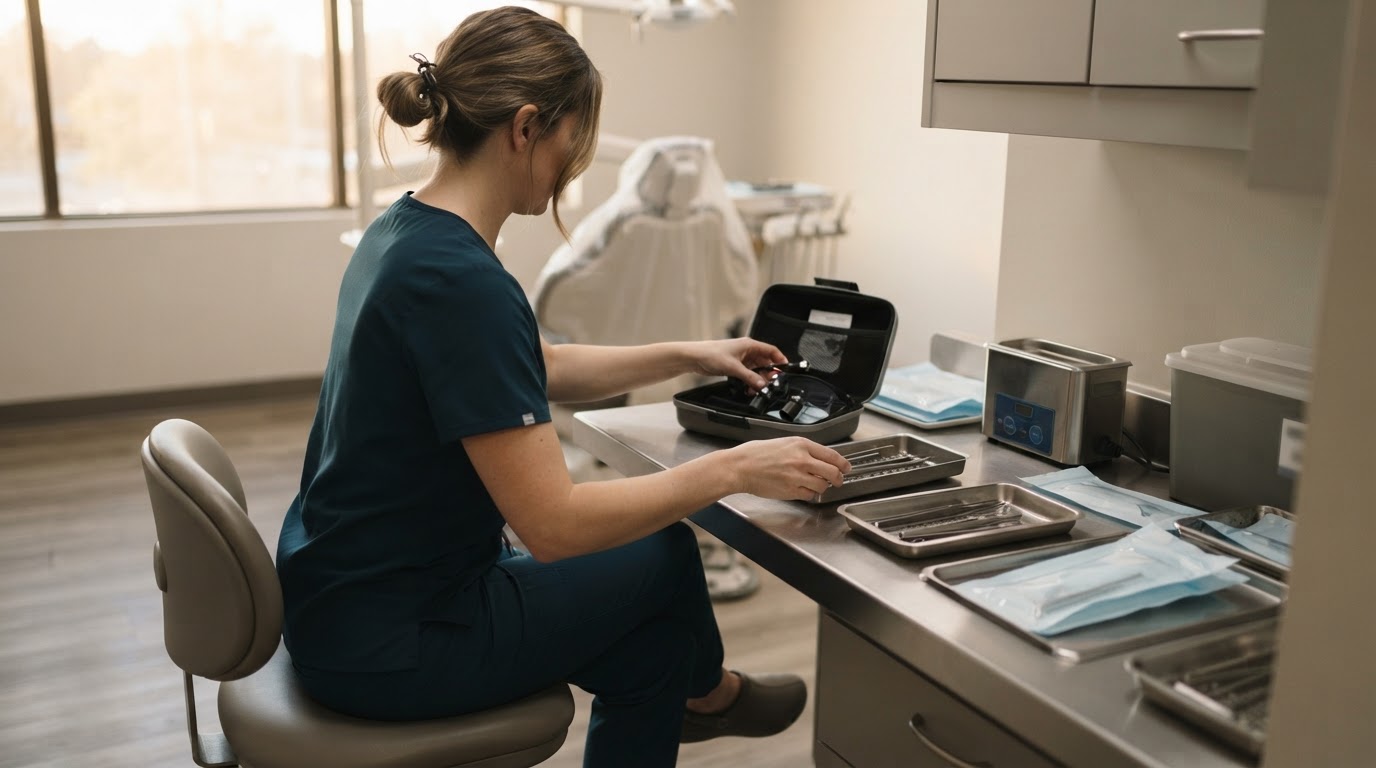
Build end-of-day recovery habits that decompress the spine, reset tense muscles, and protect long-term career health.
Position the patient so you can work in neutral posture, reducing the forward flexion that drives operator strain.

Apply four-handed dentistry principles to hygiene to reduce reach, save motion, and protect your musculoskeletal health.
Protect your wrists and hands on scaling-intensive days with grip awareness, micro-breaks, and recovery techniques.
Recognize early burnout signs and build sustainable scheduling, recovery, and boundary habits that protect your career.
Refine your modified pen grasp to balance control and relaxation, reducing hand fatigue without sacrificing precision.

Apply ergonomic principles to charting and administrative work to protect your neck, shoulders, and wrists between patients.
Measure your true working distance accurately to ensure your loupes support neutral posture rather than creating strain.
Run a periodic musculoskeletal self-assessment to catch early strain patterns before they become career-limiting injuries.
Position yourself and your evacuation to control aerosol without compromising the neutral posture that protects your body.
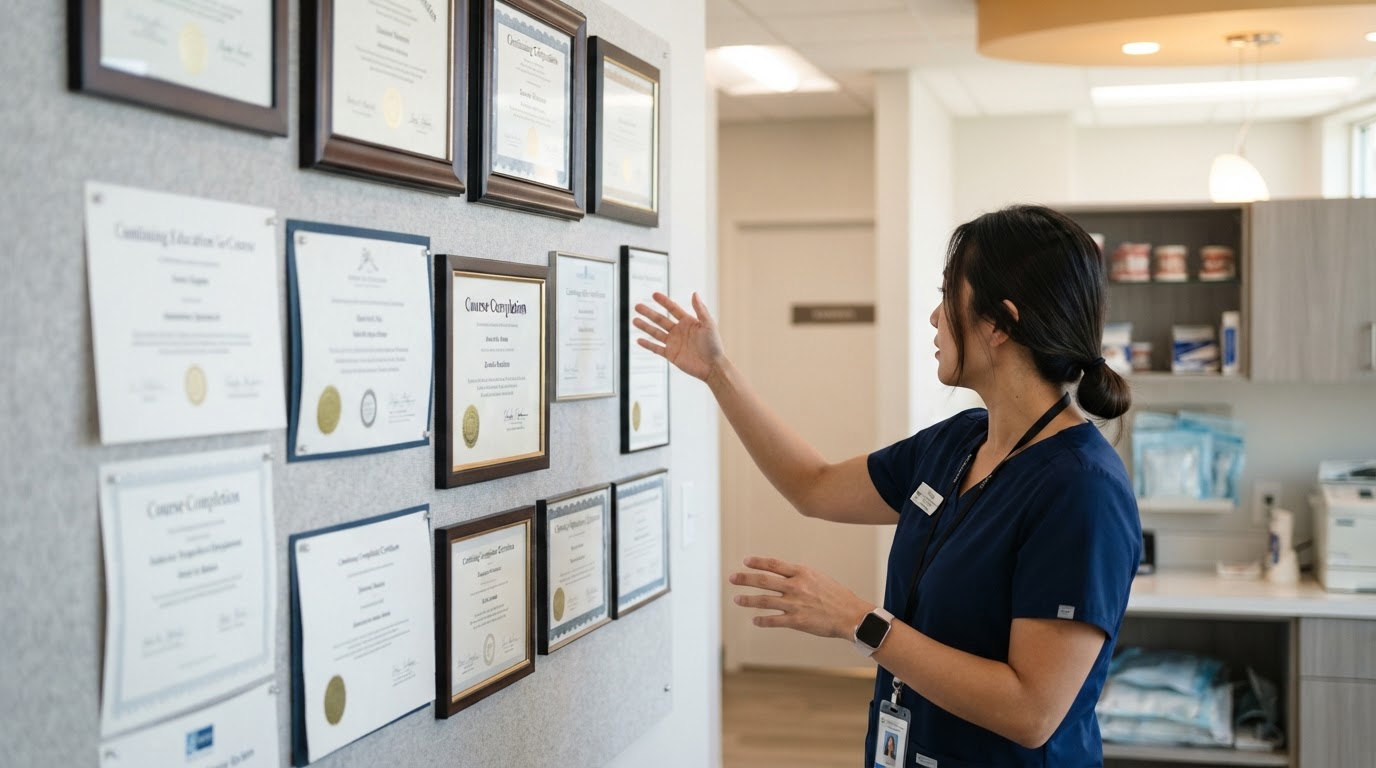
Build a long-term sustainability plan that balances physical demand, scheduling, and professional growth across your career.
Evaluate instrument weight and balance to reduce cumulative hand fatigue without sacrificing tactile control.
Understand how inadequate magnification and lighting force compensatory posture, and fix the root cause of strain.
Foster a practice culture where ergonomic breaks, equipment investment, and injury prevention are normalized, not penalized.

Practical strategies for approaching compensation discussions with confidence, backed by current industry data.
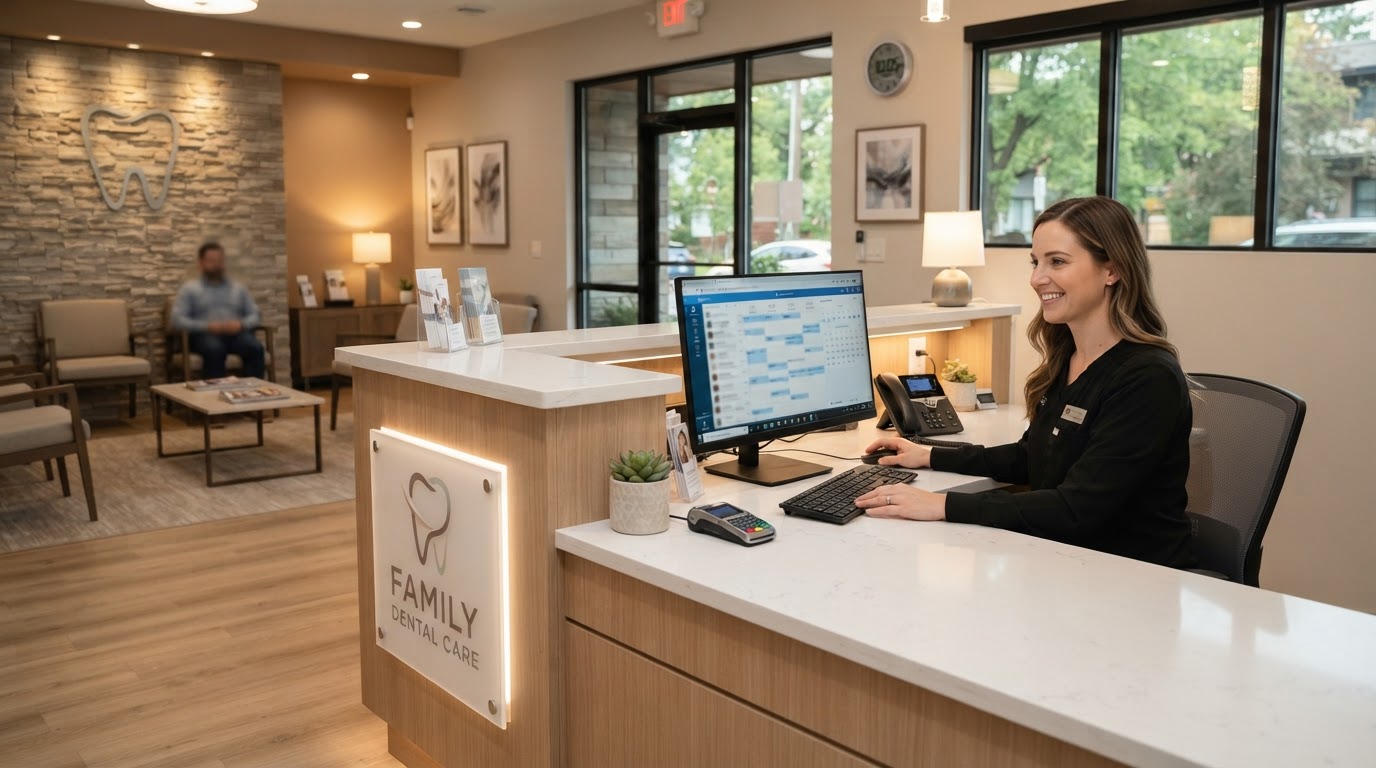
Compare hourly, daily, and production-based compensation models to evaluate offers and protect your income.
Build a resume that highlights clinical skills, measurable outcomes, and credentials to stand out in a competitive market.

Prepare for hygiene interviews with research, scenario practice, and thoughtful questions that reveal practice fit.
Build a continuing education plan aligned with your career goals rather than simply fulfilling license requirements.
Assess practice culture during the interview process to avoid mismatches that undermine satisfaction and retention.
Navigate the tension between production expectations and clinical quality without compromising patient care or ethics.
Review your employment contract for compensation, non-competes, and termination terms before you sign.
Explore certification paths that expand your scope, differentiate your practice, and increase your market value.
Apply a structured ethical framework to navigate conflicts between production pressure and patient-centered care.
Establish and maintain professional boundaries that protect both patients and your career from common boundary risks.
Advocate effectively for patients by communicating needs to the team, documenting concerns, and following through.
Approach difficult patient conversations with structure, empathy, and clarity to protect the relationship and outcomes.
Handle difficult patient encounters with de-escalation, clear boundaries, and documentation that protects everyone.
Structure your appointment time to deliver thorough care without running behind or sacrificing patient connection.

Mentorship accelerates growth for new hygienists and deepens expertise for experienced ones when approached intentionally.
Plan a practice transition that protects your patients, your reputation, and your professional relationships.
Build patient loyalty through consistent quality, genuine connection, and reliable communication that drives retention.
Assemble a professional portfolio that documents your skills, CE, and outcomes to support growth and negotiation.
Understand and stay current with your state scope of practice to practice confidently and avoid compliance risk.
Build sustainable work-life balance with realistic scheduling, boundary setting, and recovery that protects your career.
Effective communication strategies and environmental adjustments to help anxious patients feel comfortable and safe.
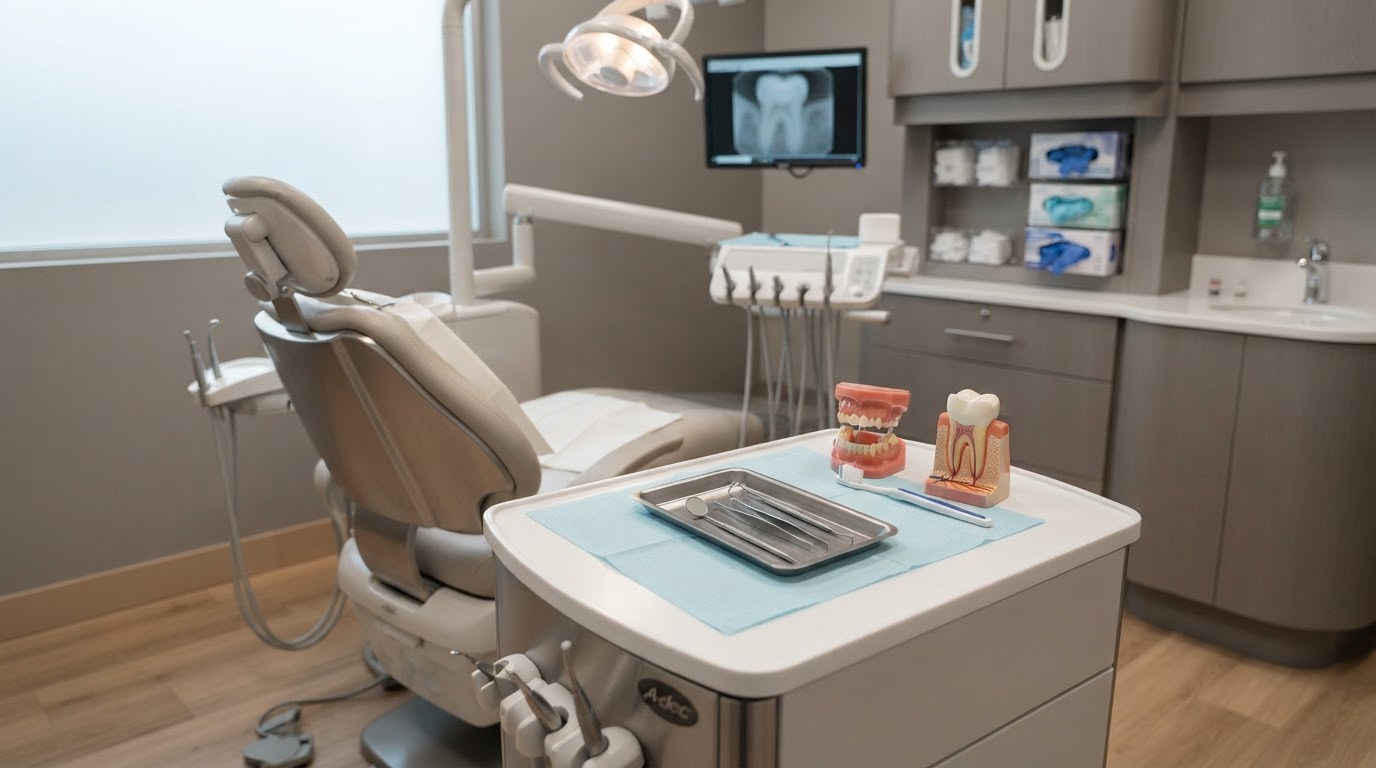
Apply the tell-show-do behavior management technique to build trust and reduce anxiety across patient populations.
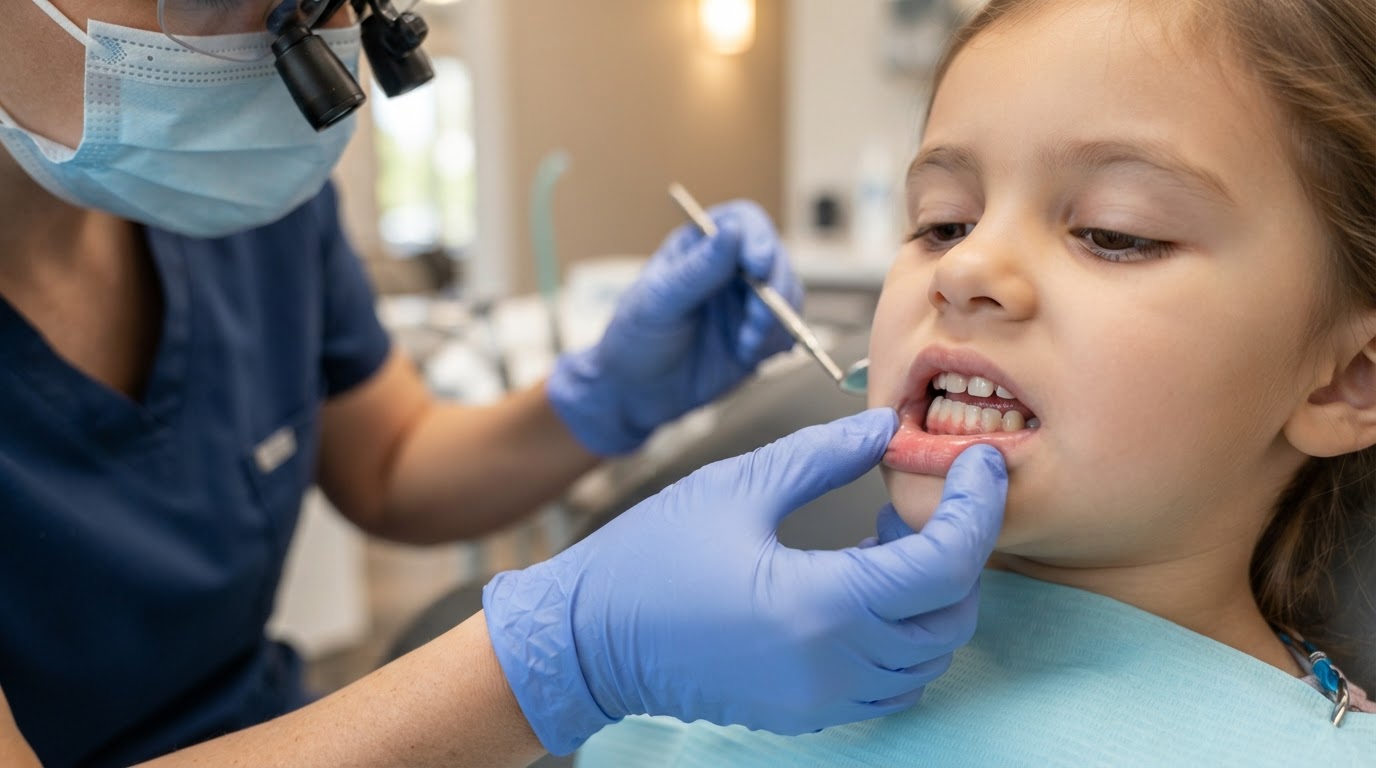
Build cooperation and positive experiences with pediatric patients using age-appropriate communication and technique.
Adapt the hygiene appointment for patients with sensory sensitivities to improve access, comfort, and outcomes.
Use motivational interviewing principles to help patients resolve ambivalence and commit to lasting oral health habits.
Adapt hygiene care for older adults addressing medication effects, dexterity, and systemic health considerations.
Adapt the hygiene appointment for patients with special needs to deliver dignified, effective, individualized care.
Prepare for medical emergencies with current training, accessible equipment, and a rehearsed team response plan.
Obtain meaningful informed consent through clear explanation, confirmation of understanding, and documentation.
Develop cultural competence to deliver respectful, individualized care across diverse patient populations.
Establish clear pain communication with patients to manage discomfort proactively and build trust during treatment.
Help patients understand the link between oral and systemic health with clear, evidence-aware communication.
Integrate brief, evidence-based nutrition counseling into hygiene visits to support caries and periodontal health.
Deliver brief, effective tobacco cessation counseling using the evidence-based ask-advise-refer framework.
Coach patients through dry mouth management with hydration, salivary stimulation, and targeted home-care products.
Provide safe, effective hygiene care during pregnancy with attention to gingival changes, timing, and comfort.
Reduce gagging with breathing techniques, positioning, and pacing that help sensitive patients tolerate treatment.
Perform a systematic extraoral and intraoral cancer screening at every recall to support early detection.
Establish trust with new patients in the first visit through listening, transparency, and consistent quality.
Reduce no-shows with proactive communication, convenience, and relationship-building that increases commitment.
Deliver clear, written post-treatment instructions that patients can follow to support healing and outcomes.
Practical, evidence-aware insights for working dental hygienists. Delivered straight to your inbox every Sunday.