Patient Positioning That Protects the Operator
Position the patient so you can work in neutral posture, reducing the forward flexion that drives operator strain.
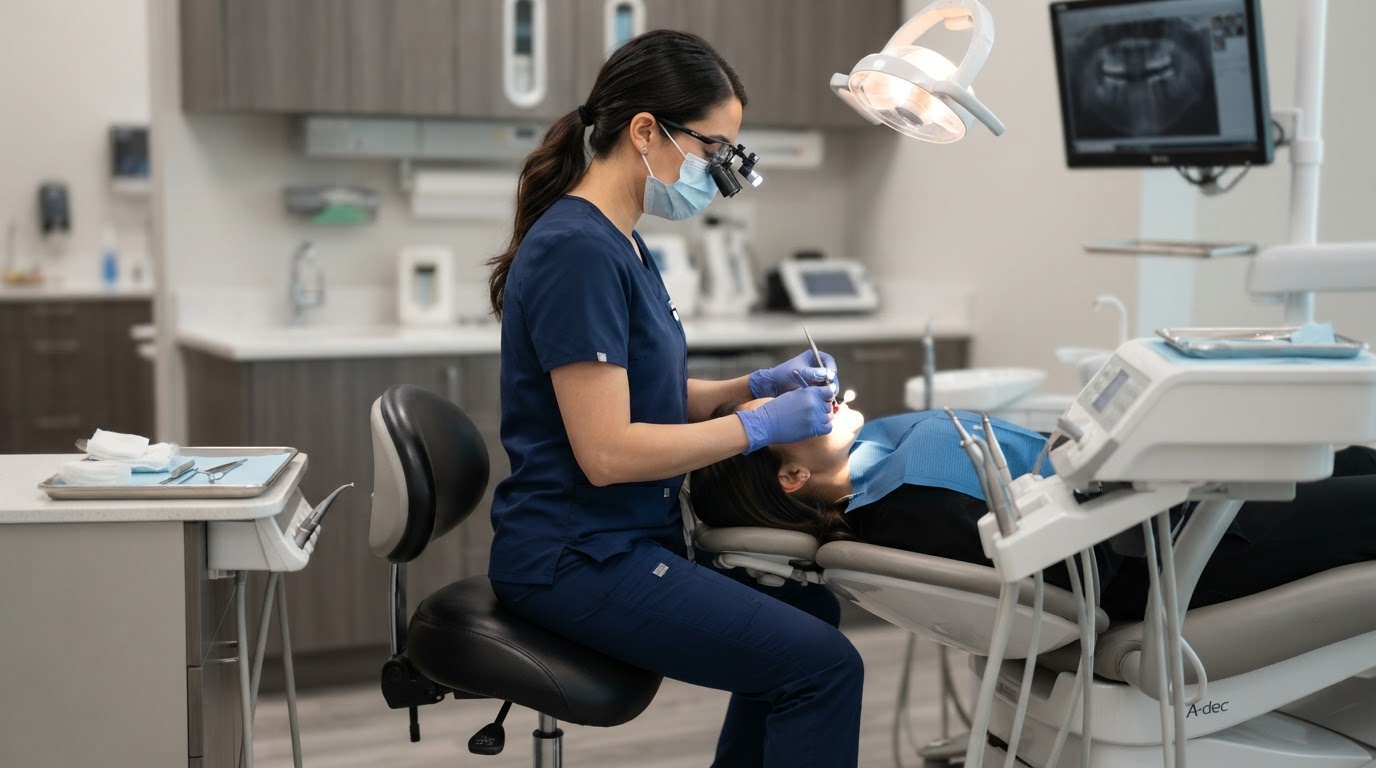
The Patient Sets Your Posture
Your posture is largely determined by where the patient is. If the patient is too low or too flat, you compensate by flexing forward, which is the root of most operator strain.
Positioning Principles
- Bring the patient to your working height, not the reverse.
- Position the headrest so the occlusal plane aligns with your line of sight.
- Tilt the head for the arch you are treating to keep your neck neutral.
Communicating Adjustments
Explain adjustments to the patient as comfort and safety measures. Most patients accept small repositioning readily when it is framed as improving their experience.
Practical Takeaway
Bring the patient to your working height, align the occlusal plane with your sight line, and tilt the head for the arch being treated so your neck stays neutral.
Authoritative Dental Resources
Join the RDHPlanet Weekly Newsletter
Practical, evidence-aware insights for working dental hygienists. Delivered straight to your inbox every Sunday.
Related Articles
Achieving Neutral Seated Posture in the Operatory
Establish a neutral seated posture that protects your spine, shoulders, and wrists across a full day of patient care.
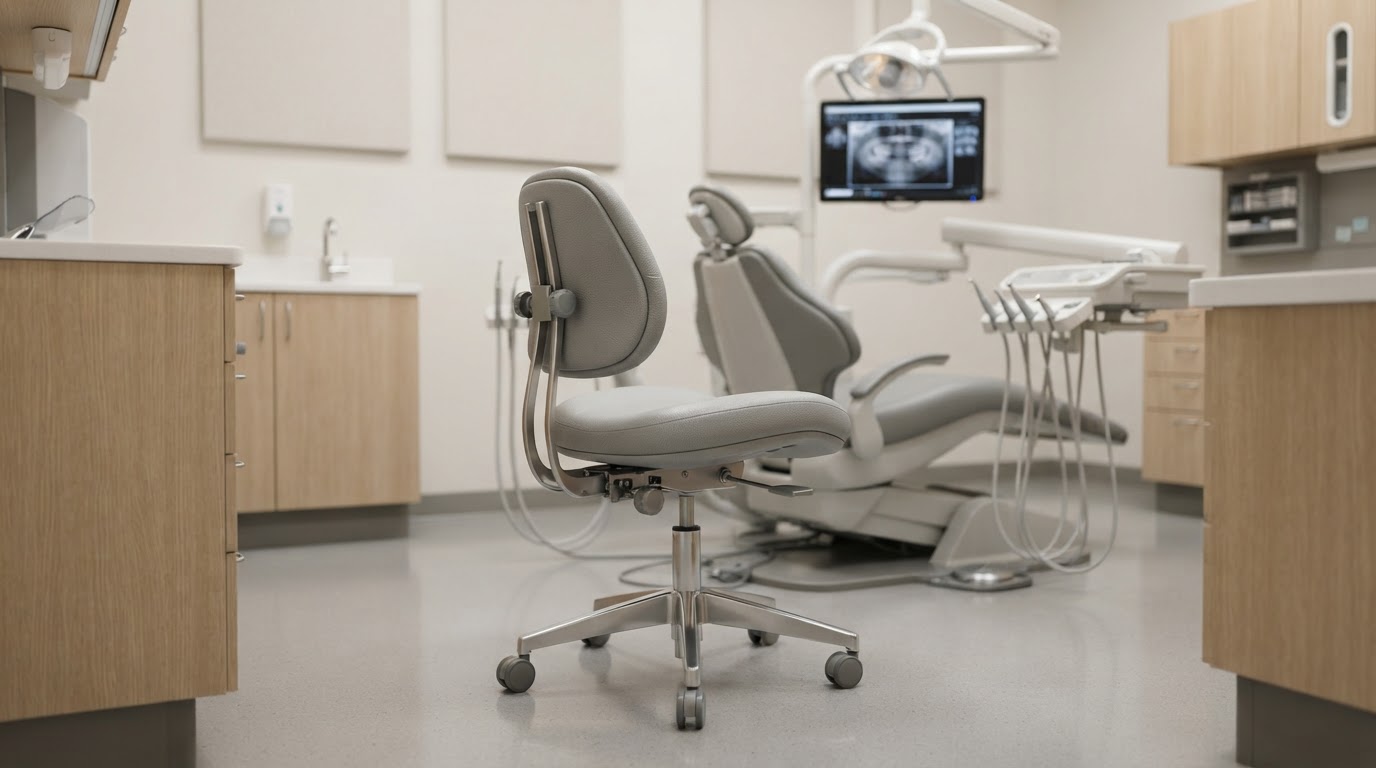
A Complete Operator Stool Adjustment Guide
Adjust every part of your operator stool, from seat height to backrest angle, to support sustained neutral posture.