
Patient Care•7 min read
Managing Patient Anxiety in the Dental Chair
Effective communication strategies and environmental adjustments to help anxious patients feel comfortable and safe.
Sep 28, 2023
Communication, behavior, anxiety management, and education strategies that elevate the patient experience.
Effective communication strategies and environmental adjustments to help anxious patients feel comfortable and safe.
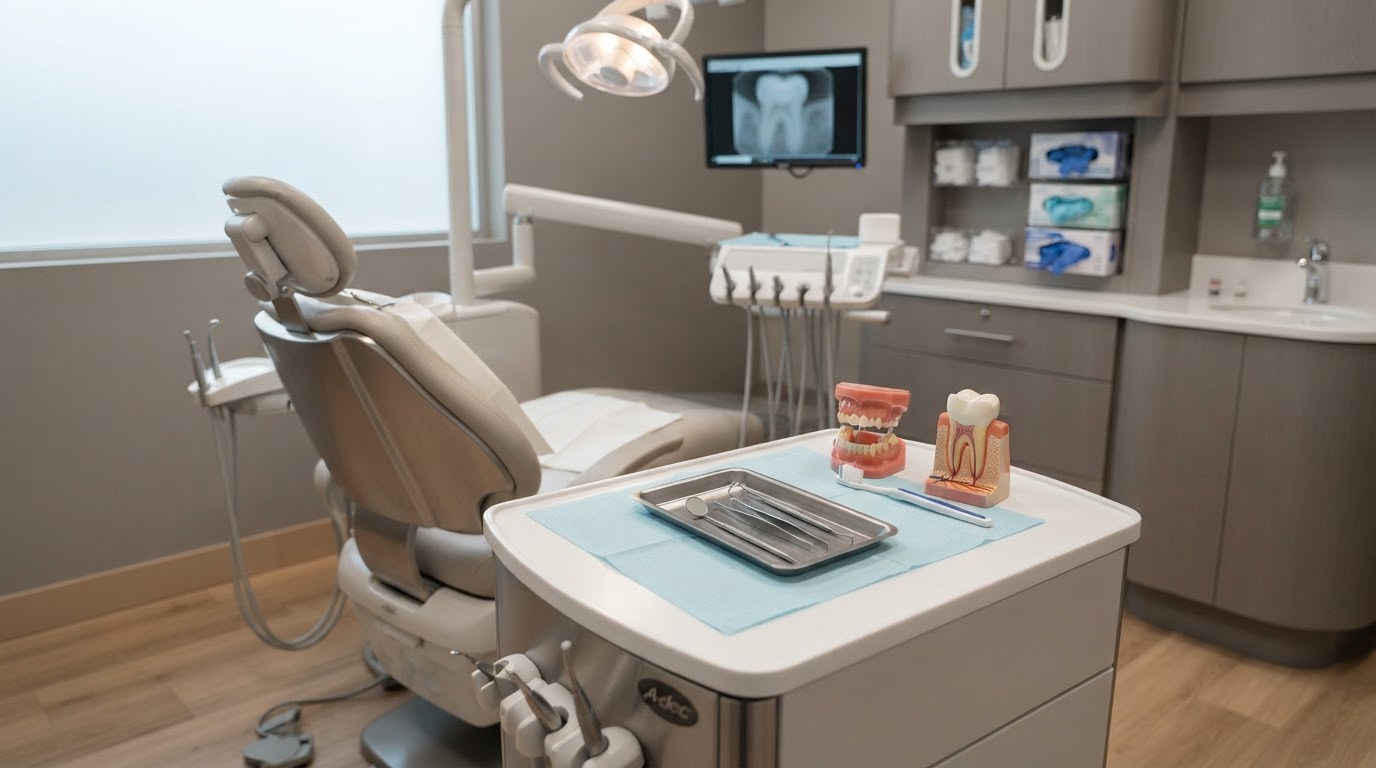
Apply the tell-show-do behavior management technique to build trust and reduce anxiety across patient populations.
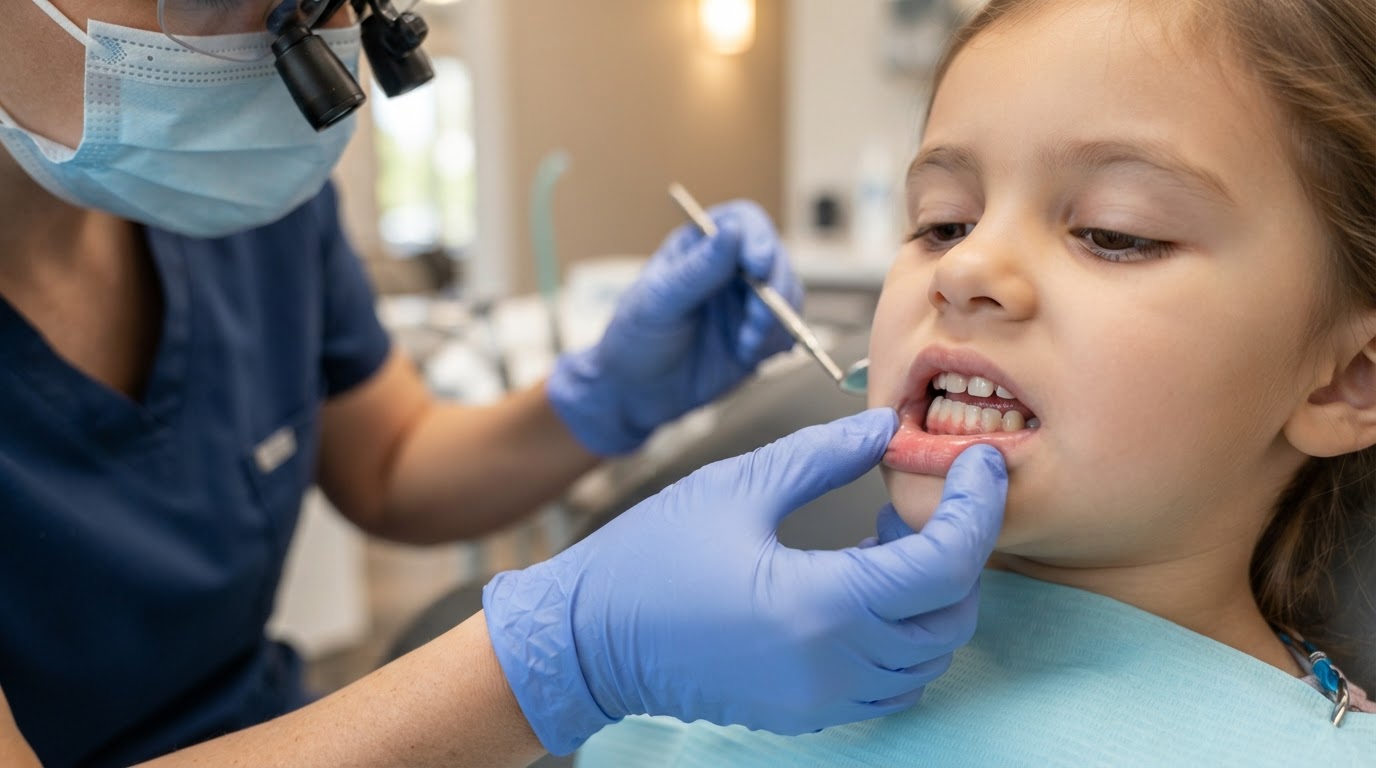
Build cooperation and positive experiences with pediatric patients using age-appropriate communication and technique.
Adapt the hygiene appointment for patients with sensory sensitivities to improve access, comfort, and outcomes.
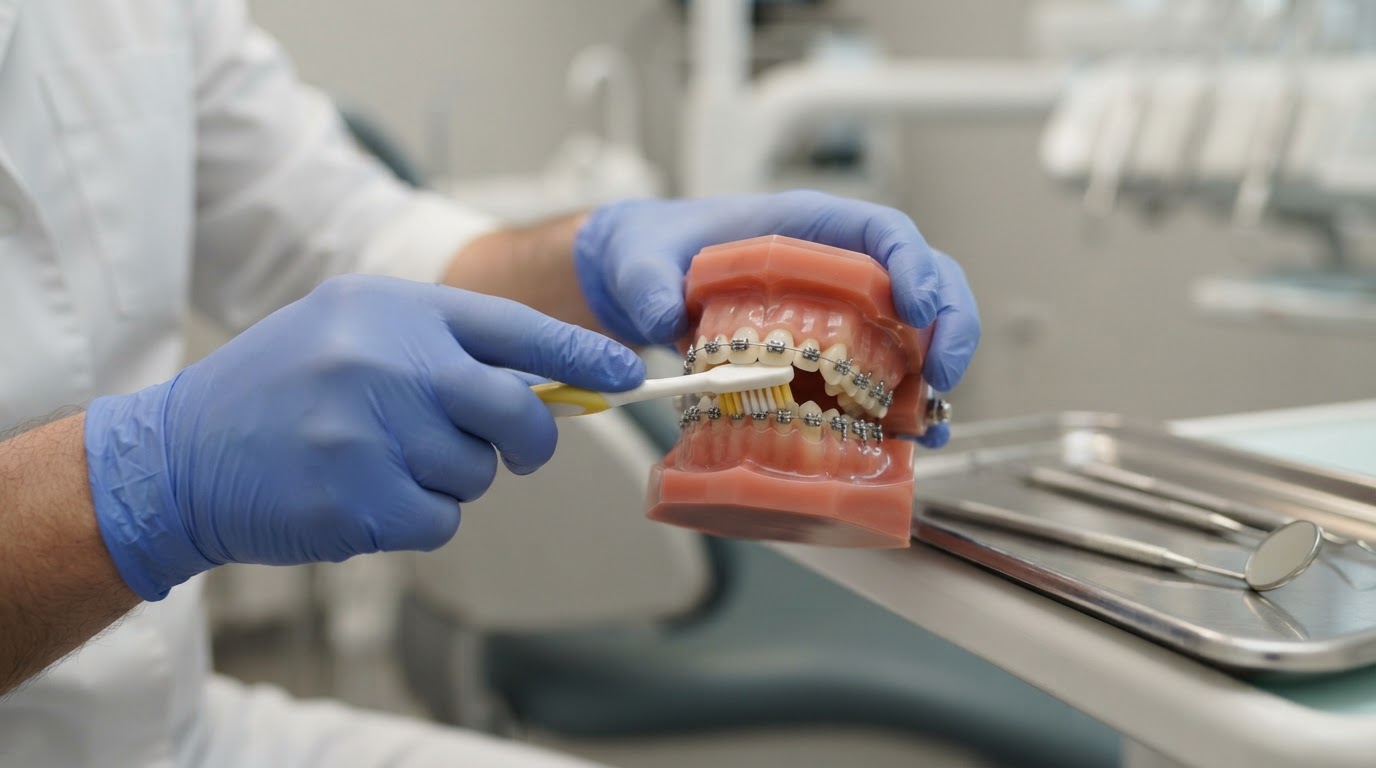
Use motivational interviewing principles to help patients resolve ambivalence and commit to lasting oral health habits.

Adapt hygiene care for older adults addressing medication effects, dexterity, and systemic health considerations.
Adapt the hygiene appointment for patients with special needs to deliver dignified, effective, individualized care.

Prepare for medical emergencies with current training, accessible equipment, and a rehearsed team response plan.
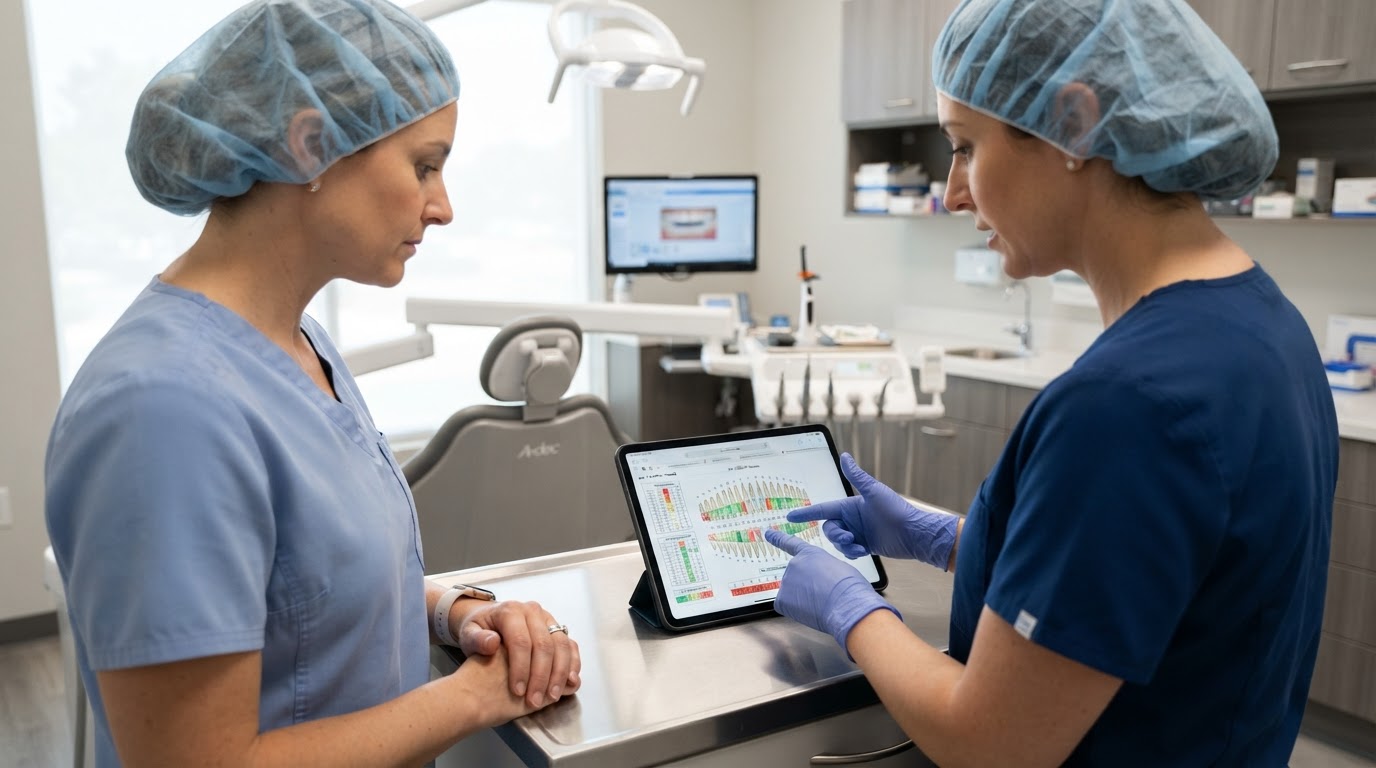
Obtain meaningful informed consent through clear explanation, confirmation of understanding, and documentation.
Develop cultural competence to deliver respectful, individualized care across diverse patient populations.
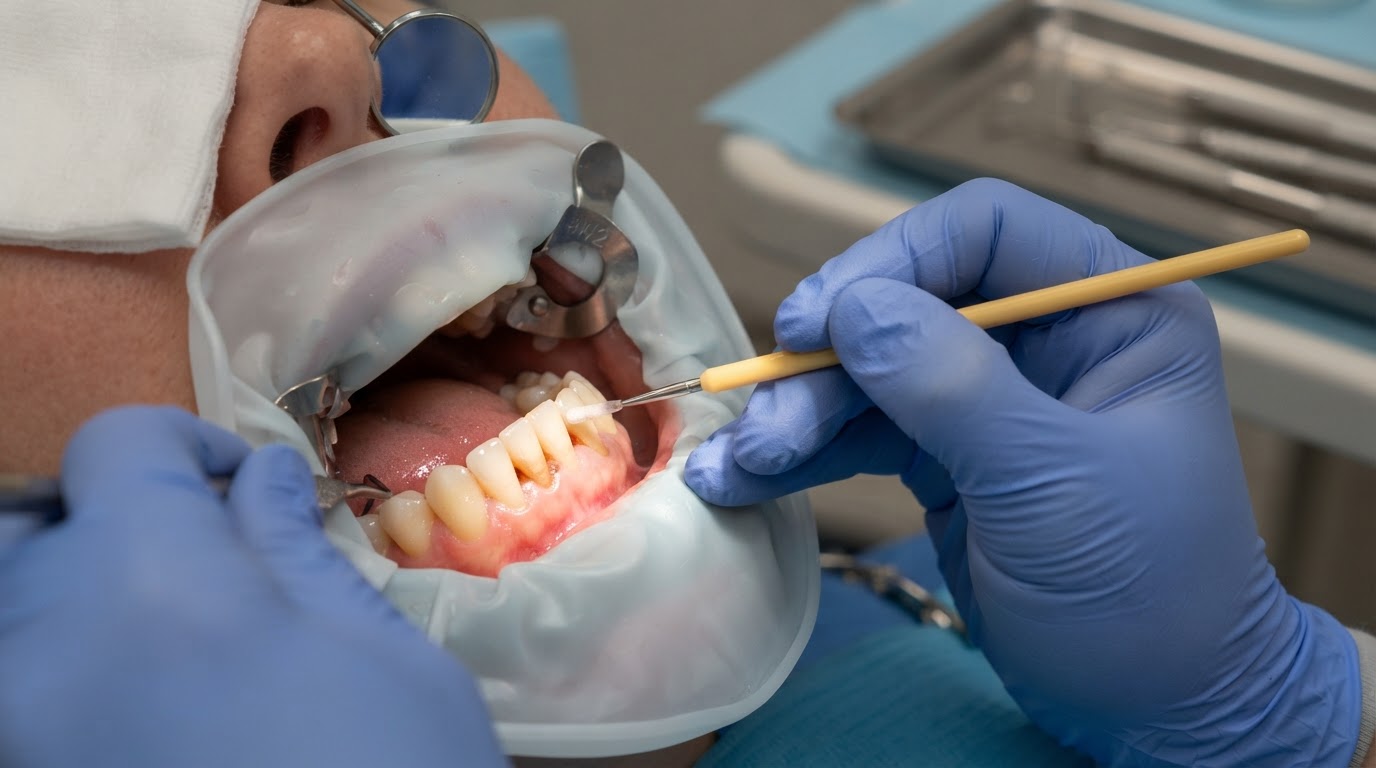
Establish clear pain communication with patients to manage discomfort proactively and build trust during treatment.
Help patients understand the link between oral and systemic health with clear, evidence-aware communication.
Integrate brief, evidence-based nutrition counseling into hygiene visits to support caries and periodontal health.
Deliver brief, effective tobacco cessation counseling using the evidence-based ask-advise-refer framework.
Coach patients through dry mouth management with hydration, salivary stimulation, and targeted home-care products.
Provide safe, effective hygiene care during pregnancy with attention to gingival changes, timing, and comfort.
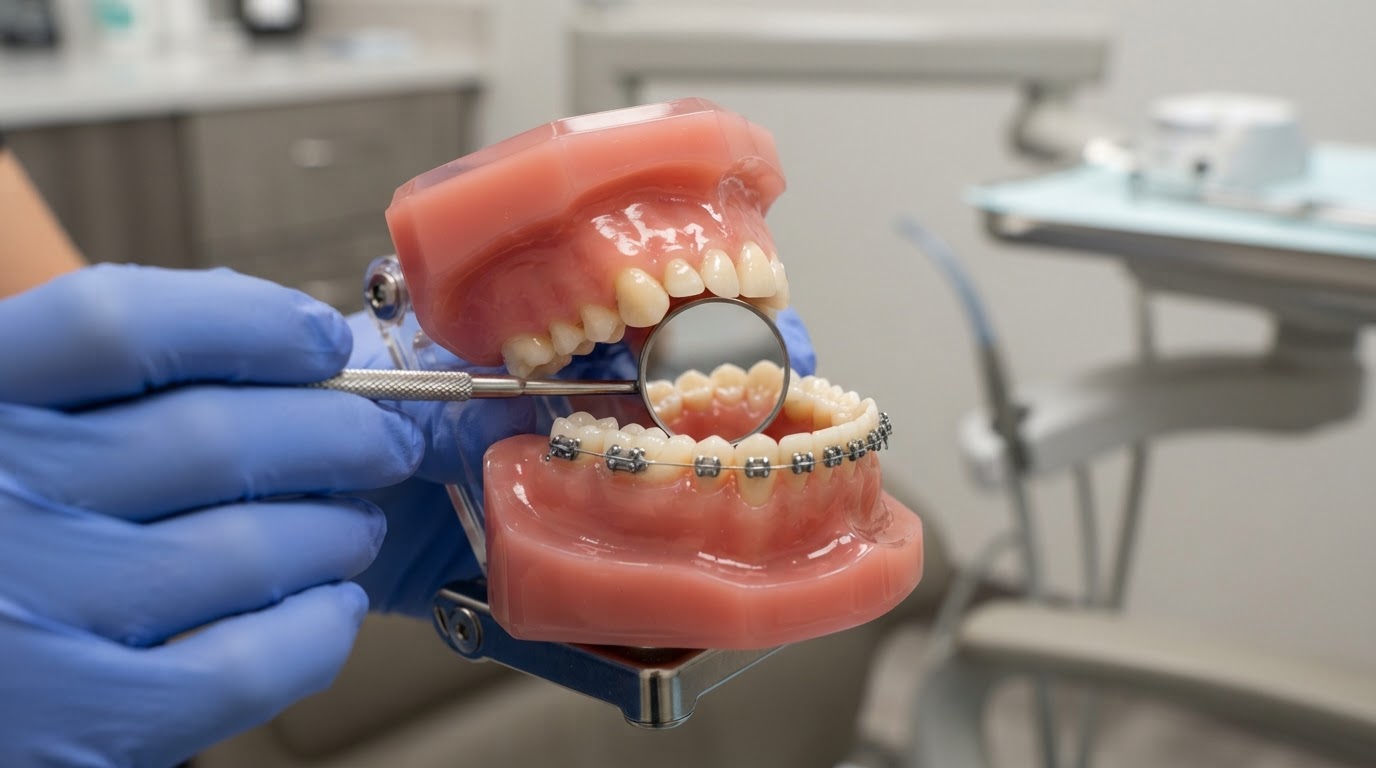
Reduce gagging with breathing techniques, positioning, and pacing that help sensitive patients tolerate treatment.
Perform a systematic extraoral and intraoral cancer screening at every recall to support early detection.
Establish trust with new patients in the first visit through listening, transparency, and consistent quality.

Reduce no-shows with proactive communication, convenience, and relationship-building that increases commitment.
Deliver clear, written post-treatment instructions that patients can follow to support healing and outcomes.
Practical, evidence-aware insights for working dental hygienists. Delivered straight to your inbox every Sunday.