Providing Sensory-Friendly Hygiene Care
Adapt the hygiene appointment for patients with sensory sensitivities to improve access, comfort, and outcomes.
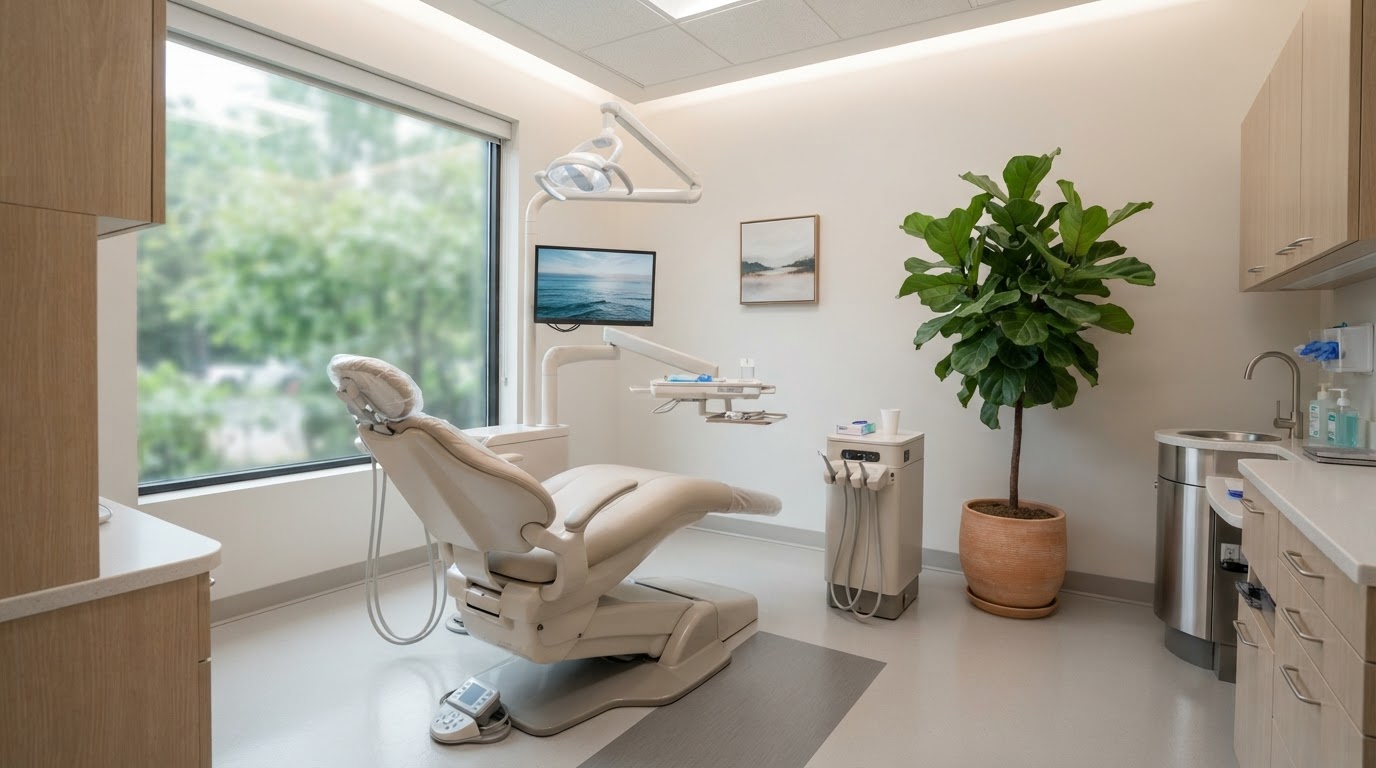
Sensory Needs Are Common
Many patients experience sensory sensitivities, including those with neurodivergent profiles and those with sensory processing differences. Simple accommodations dramatically improve their access to care.
Practical Accommodations
- Reduce lighting, noise, and strong flavors where possible.
- Allow the patient to bring comfort items or wear ear protection.
- Offer longer appointments with breaks to avoid sensory overload.
Communication and Consent
Explain sensations in advance, including vibration, taste, and pressure. Clear warning gives the patient a sense of control that reduces distress.
Practical Takeaway
Reduce sensory load, allow comfort items and breaks, and warn patients about sensations in advance to give them control and improve access to care.
Authoritative Dental Resources
Join the RDHPlanet Weekly Newsletter
Practical, evidence-aware insights for working dental hygienists. Delivered straight to your inbox every Sunday.
Related Articles
Managing Patient Anxiety in the Dental Chair
Effective communication strategies and environmental adjustments to help anxious patients feel comfortable and safe.
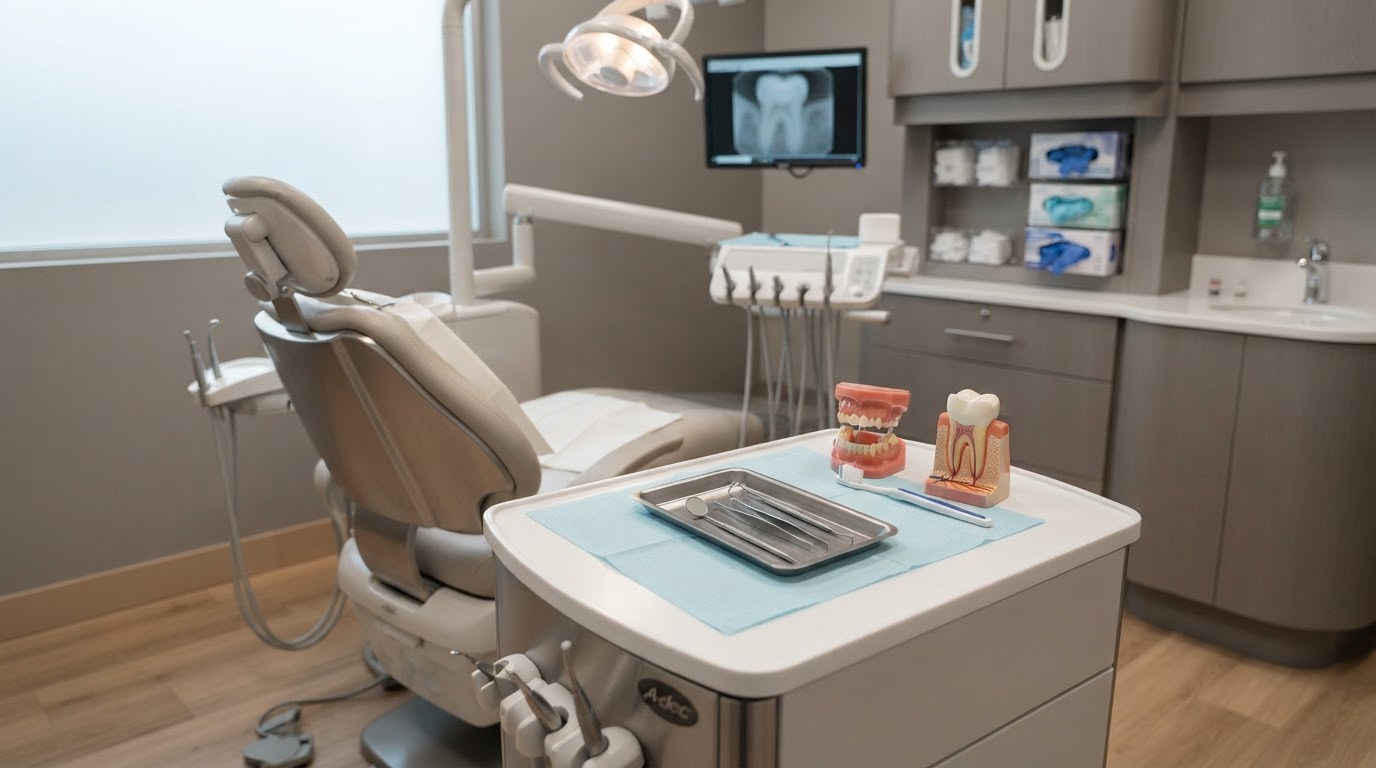
The Tell-Show-Do Technique for Anxious Patients
Apply the tell-show-do behavior management technique to build trust and reduce anxiety across patient populations.