
Ergonomics•6 min read
Achieving Neutral Seated Posture in the Operatory
Establish a neutral seated posture that protects your spine, shoulders, and wrists across a full day of patient care.
Oct 09, 2023
Protect your musculoskeletal health with evidence-based operator posture, equipment, and movement strategies.
Establish a neutral seated posture that protects your spine, shoulders, and wrists across a full day of patient care.
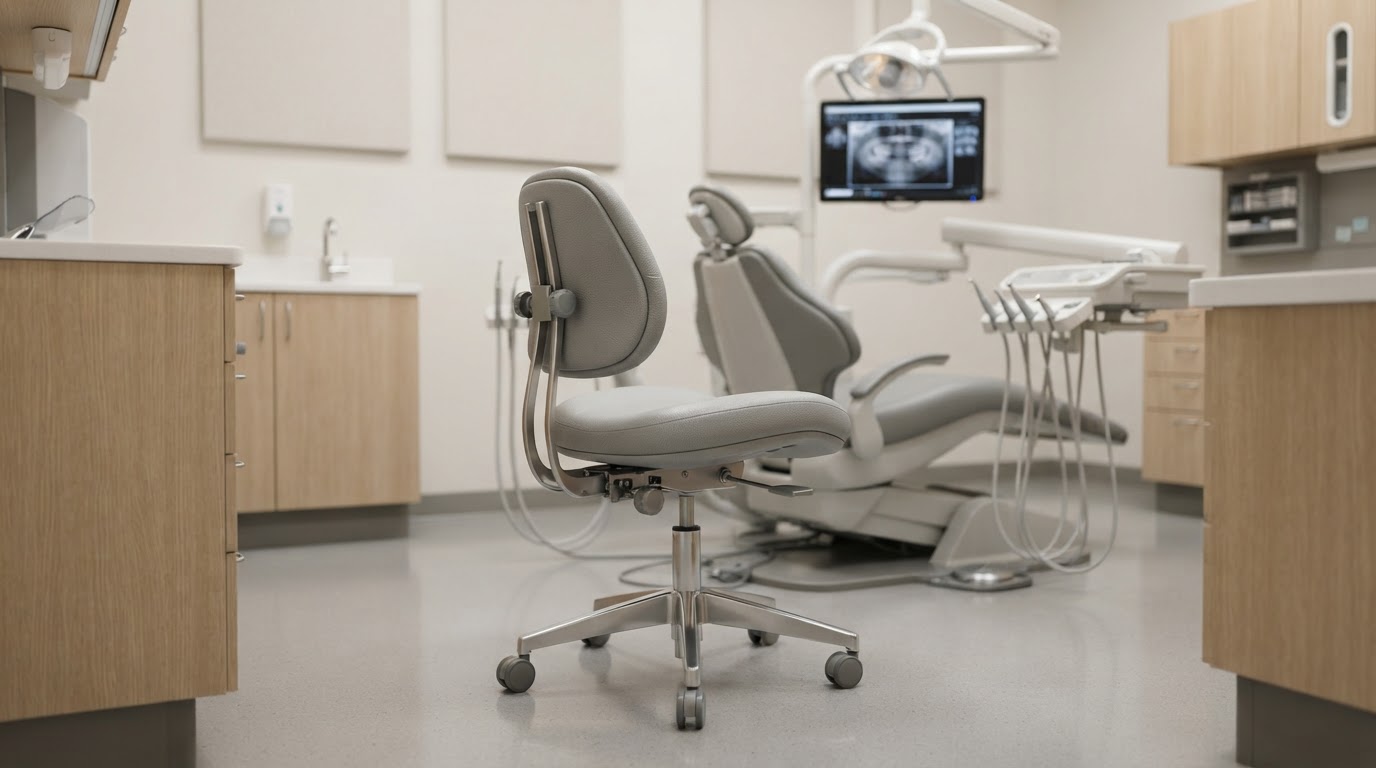
Evaluate whether a saddle stool supports your neutral posture, hip position, and reach during clinical care.
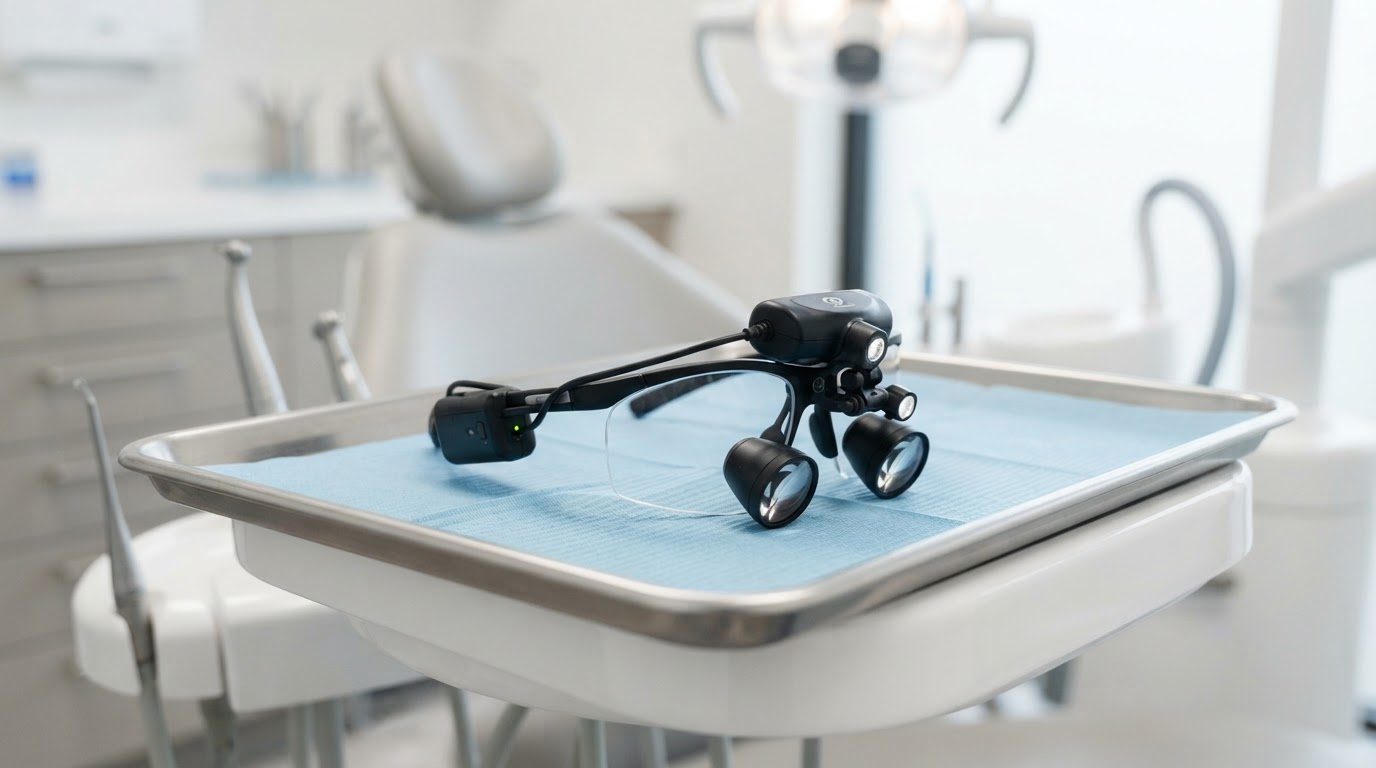
Select and adjust loupes and a headlight to improve visibility while protecting your neck and upper back.
Adjust every part of your operator stool, from seat height to backrest angle, to support sustained neutral posture.

Use a short, targeted stretching routine between patients to counter sustained posture and reduce cumulative strain.
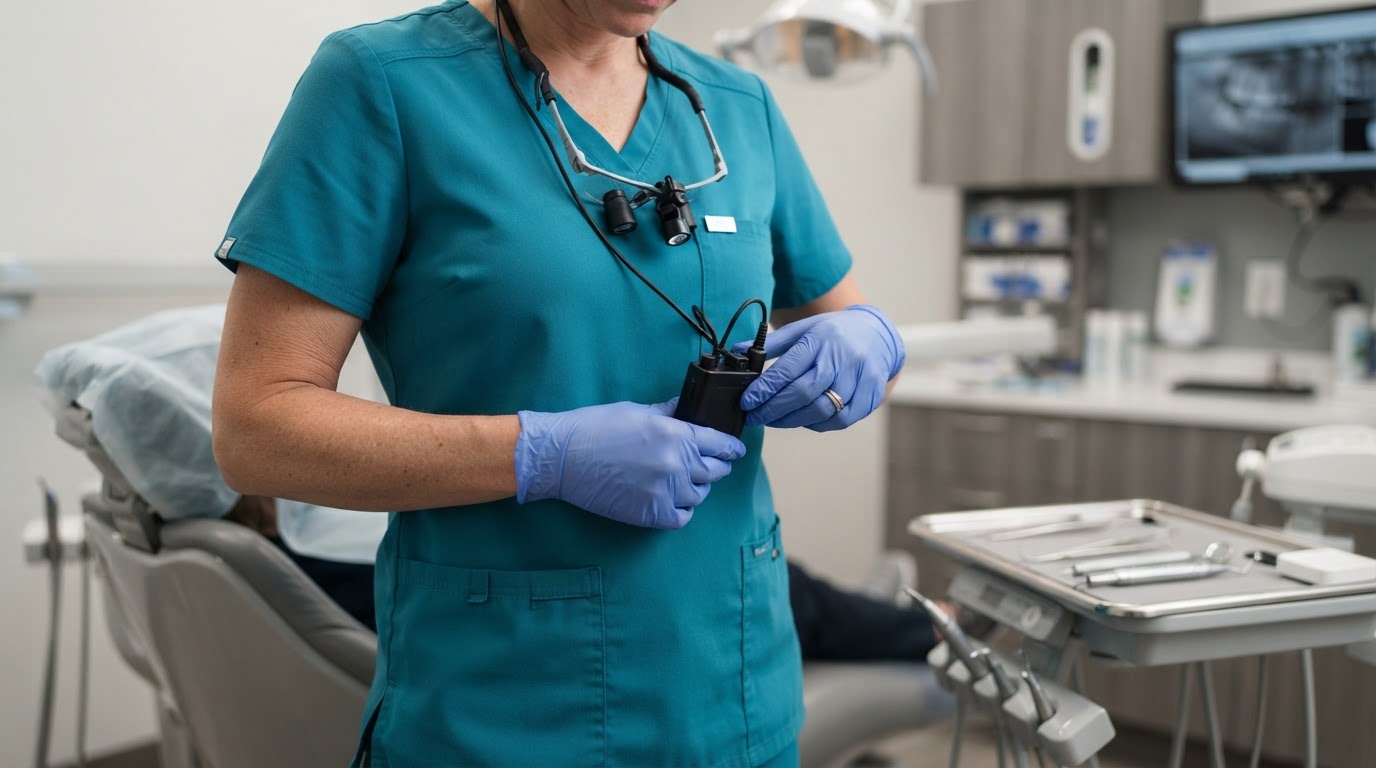
Manage headlight batteries and cords to avoid mid-procedure failures and cord drag that strains your posture.

Build end-of-day recovery habits that decompress the spine, reset tense muscles, and protect long-term career health.
Position the patient so you can work in neutral posture, reducing the forward flexion that drives operator strain.

Apply four-handed dentistry principles to hygiene to reduce reach, save motion, and protect your musculoskeletal health.
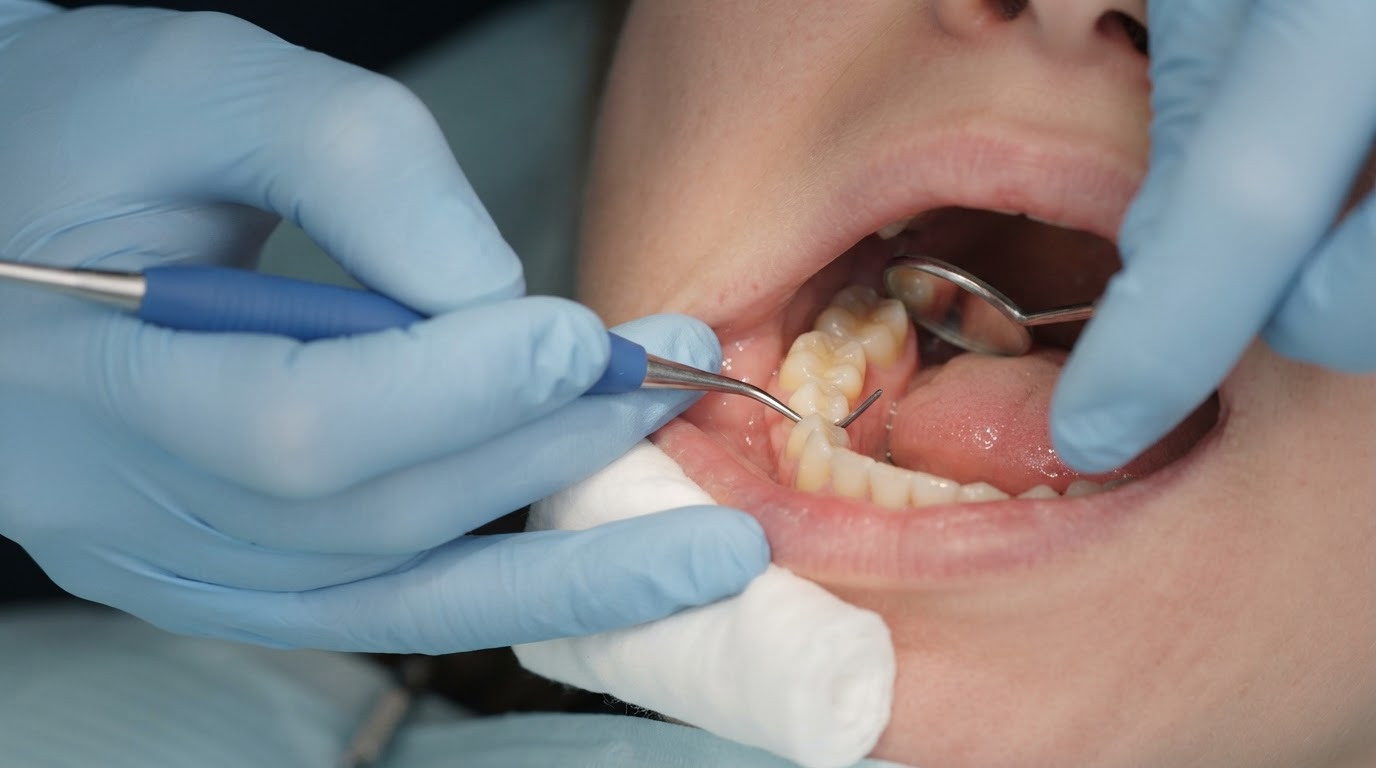
Protect your wrists and hands on scaling-intensive days with grip awareness, micro-breaks, and recovery techniques.
Recognize early burnout signs and build sustainable scheduling, recovery, and boundary habits that protect your career.
Refine your modified pen grasp to balance control and relaxation, reducing hand fatigue without sacrificing precision.

Apply ergonomic principles to charting and administrative work to protect your neck, shoulders, and wrists between patients.
Measure your true working distance accurately to ensure your loupes support neutral posture rather than creating strain.
Run a periodic musculoskeletal self-assessment to catch early strain patterns before they become career-limiting injuries.
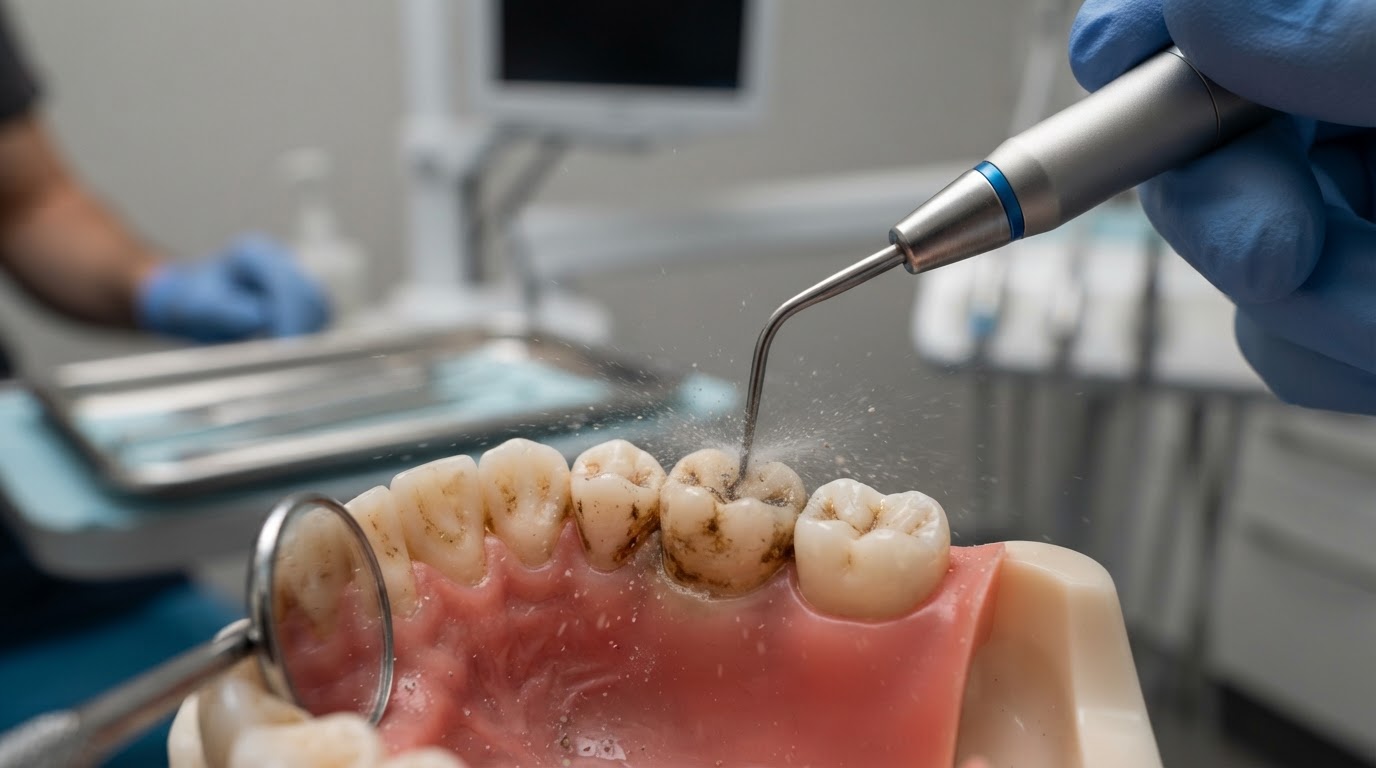
Position yourself and your evacuation to control aerosol without compromising the neutral posture that protects your body.

Build a long-term sustainability plan that balances physical demand, scheduling, and professional growth across your career.
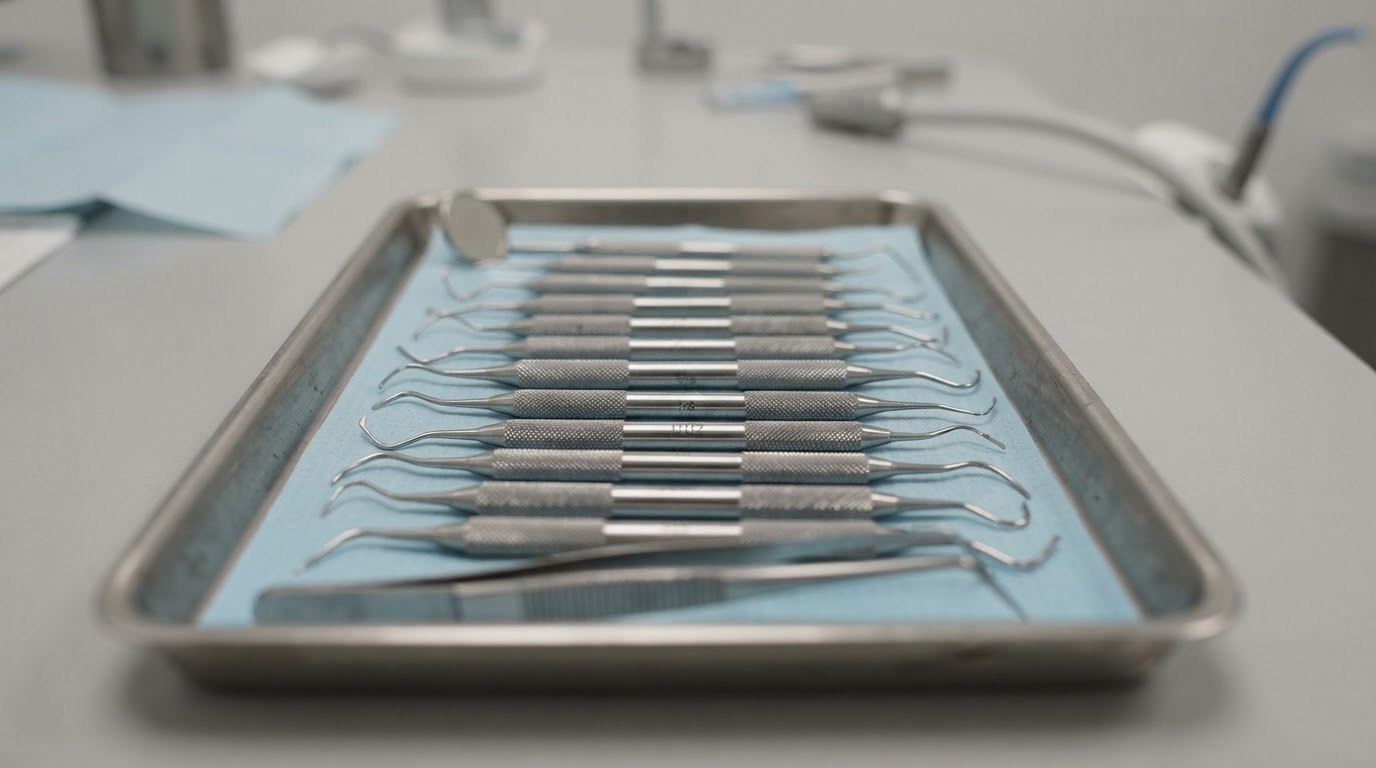
Evaluate instrument weight and balance to reduce cumulative hand fatigue without sacrificing tactile control.
Understand how inadequate magnification and lighting force compensatory posture, and fix the root cause of strain.
Foster a practice culture where ergonomic breaks, equipment investment, and injury prevention are normalized, not penalized.
Practical, evidence-aware insights for working dental hygienists. Delivered straight to your inbox every Sunday.