Instrument Weight and Its Effect on Hand Fatigue
Evaluate instrument weight and balance to reduce cumulative hand fatigue without sacrificing tactile control.
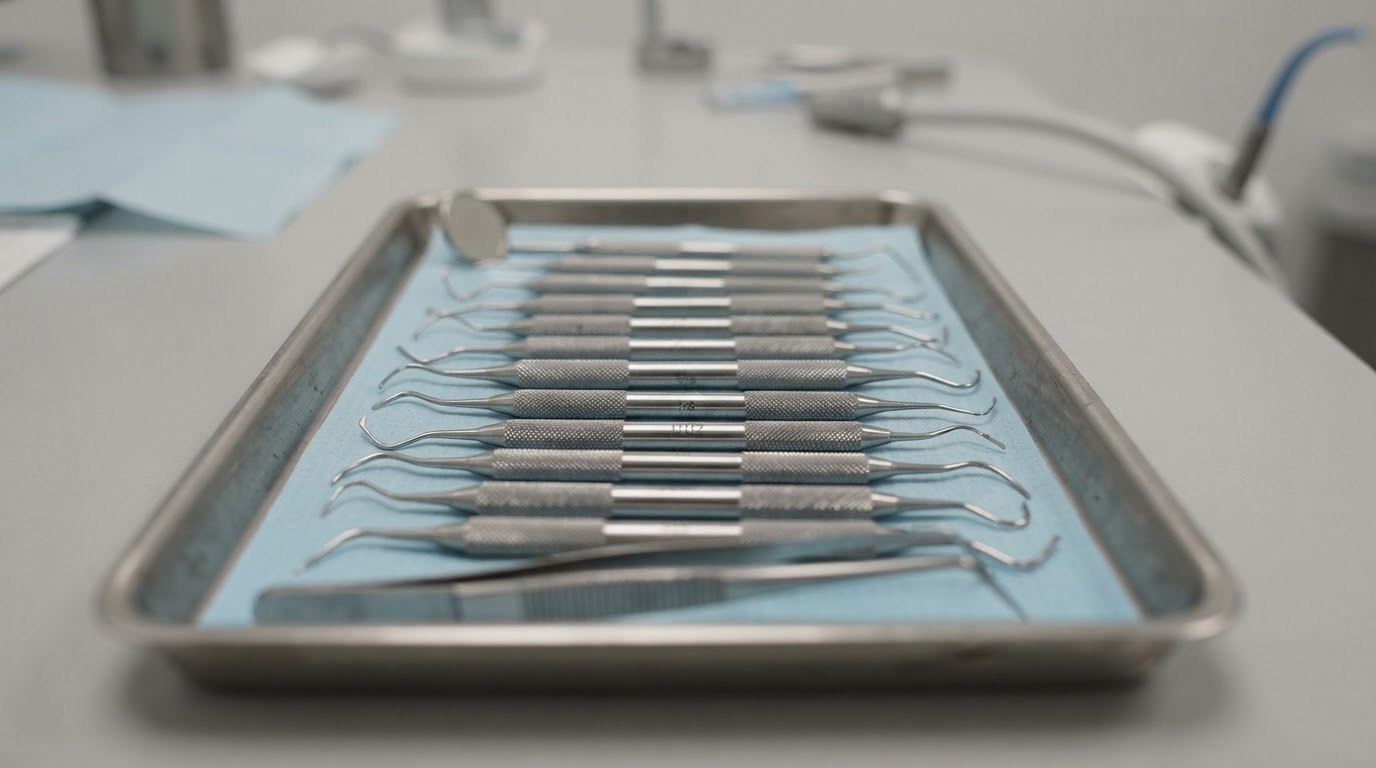
Small Weight, Big Cumulative Effect
A few grams of instrument weight feels negligible per stroke but compounds across thousands of strokes per day. Weight and balance directly affect cumulative hand fatigue.
Evaluating Balance
- Check that the instrument's balance point sits near the grasp.
- Compare weight across instruments you use most frequently.
- Note whether heavier instruments correlate with end-of-day fatigue.
Choosing for the Long Term
Select instruments for ergonomics as well as cutting efficiency. A well-balanced, lighter instrument preserves endurance across a career.
Practical Takeaway
Evaluate instrument weight and balance alongside cutting efficiency, and favor well-balanced, lighter instruments to reduce cumulative hand fatigue.
Disclosure: This post may contain affiliate links. If you purchase through these links, RDHPlanet may earn a small commission at no additional cost to you. We only recommend products we use and trust clinically. See our affiliate disclosure for full details.
Authoritative Dental Resources
Join the RDHPlanet Weekly Newsletter
Practical, evidence-aware insights for working dental hygienists. Delivered straight to your inbox every Sunday.
Related Articles

The Modified Pen Grasp: Ergonomics and Control
Refine your modified pen grasp to balance control and relaxation, reducing hand fatigue without sacrificing precision.
Wrist and Hand Care for Scaling-Intensive Days
Protect your wrists and hands on scaling-intensive days with grip awareness, micro-breaks, and recovery techniques.