The Modified Pen Grasp: Ergonomics and Control
Refine your modified pen grasp to balance control and relaxation, reducing hand fatigue without sacrificing precision.
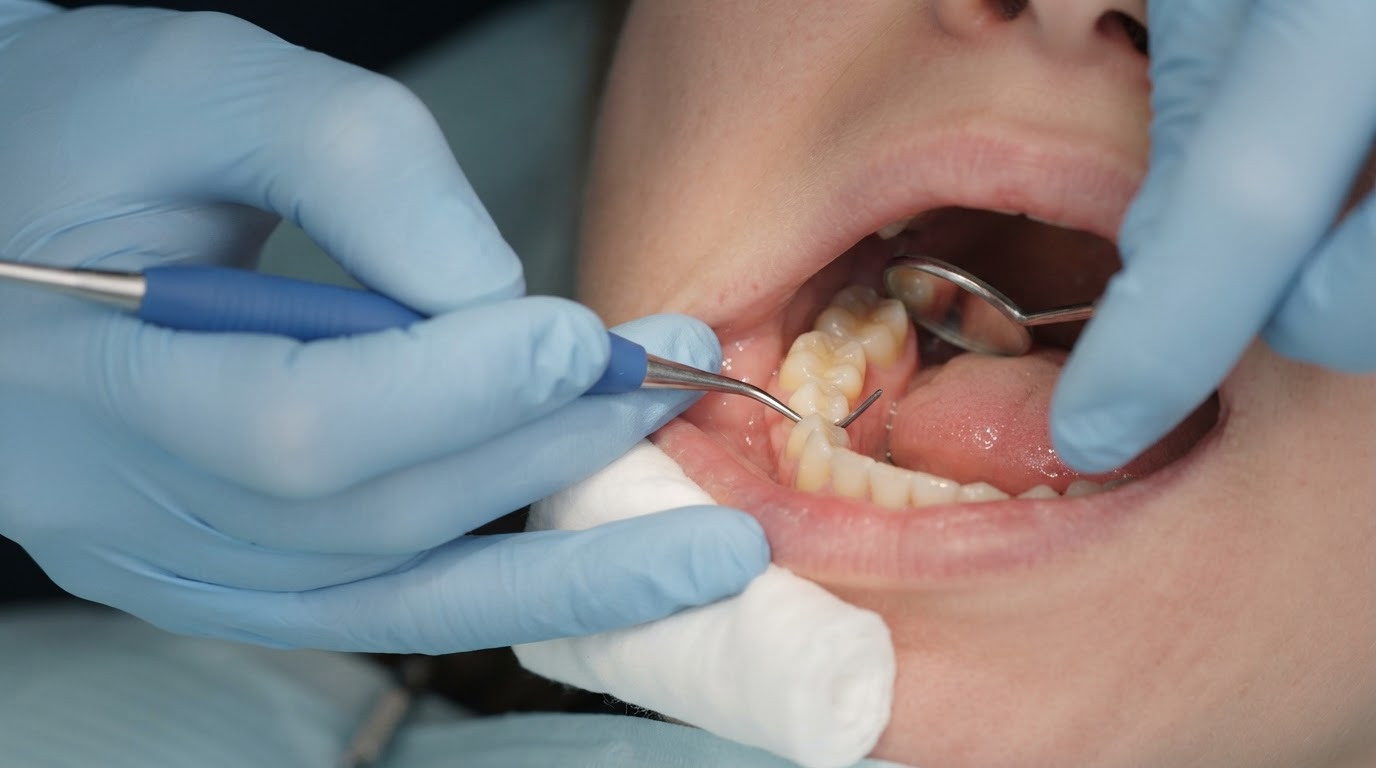
Why the Grasp Matters
The grasp is the single point where technique meets ergonomics. A tense grip sacrifices tactile sensitivity and accelerates fatigue; a relaxed, balanced grasp preserves both control and endurance.
Building a Balanced Grasp
- Hold the instrument between the thumb and the pads of the index and middle fingers.
- Rest the ring finger as a stable fulcrum close to the working site.
- Keep the grasp firm enough for control but loose enough to avoid knuckle blanching.
Recognizing Tension
Check for blanching, a locked wrist, or a raised shoulder. Each is a sign that tension has migrated from the hand into the arm. Pause, reset, and re-establish the fulcrum before continuing.
Practical Takeaway
Build a relaxed, balanced modified pen grasp with a stable fulcrum, and treat knuckle blanching or a raised shoulder as a signal to pause and reset.
Disclosure: This post may contain affiliate links. If you purchase through these links, RDHPlanet may earn a small commission at no additional cost to you. We only recommend products we use and trust clinically. See our affiliate disclosure for full details.
Authoritative Dental Resources
Join the RDHPlanet Weekly Newsletter
Practical, evidence-aware insights for working dental hygienists. Delivered straight to your inbox every Sunday.
Related Articles
Wrist and Hand Care for Scaling-Intensive Days
Protect your wrists and hands on scaling-intensive days with grip awareness, micro-breaks, and recovery techniques.

Achieving Neutral Seated Posture in the Operatory
Establish a neutral seated posture that protects your spine, shoulders, and wrists across a full day of patient care.