Headlight Battery and Cord Management for Hygienists
Manage headlight batteries and cords to avoid mid-procedure failures and cord drag that strains your posture.
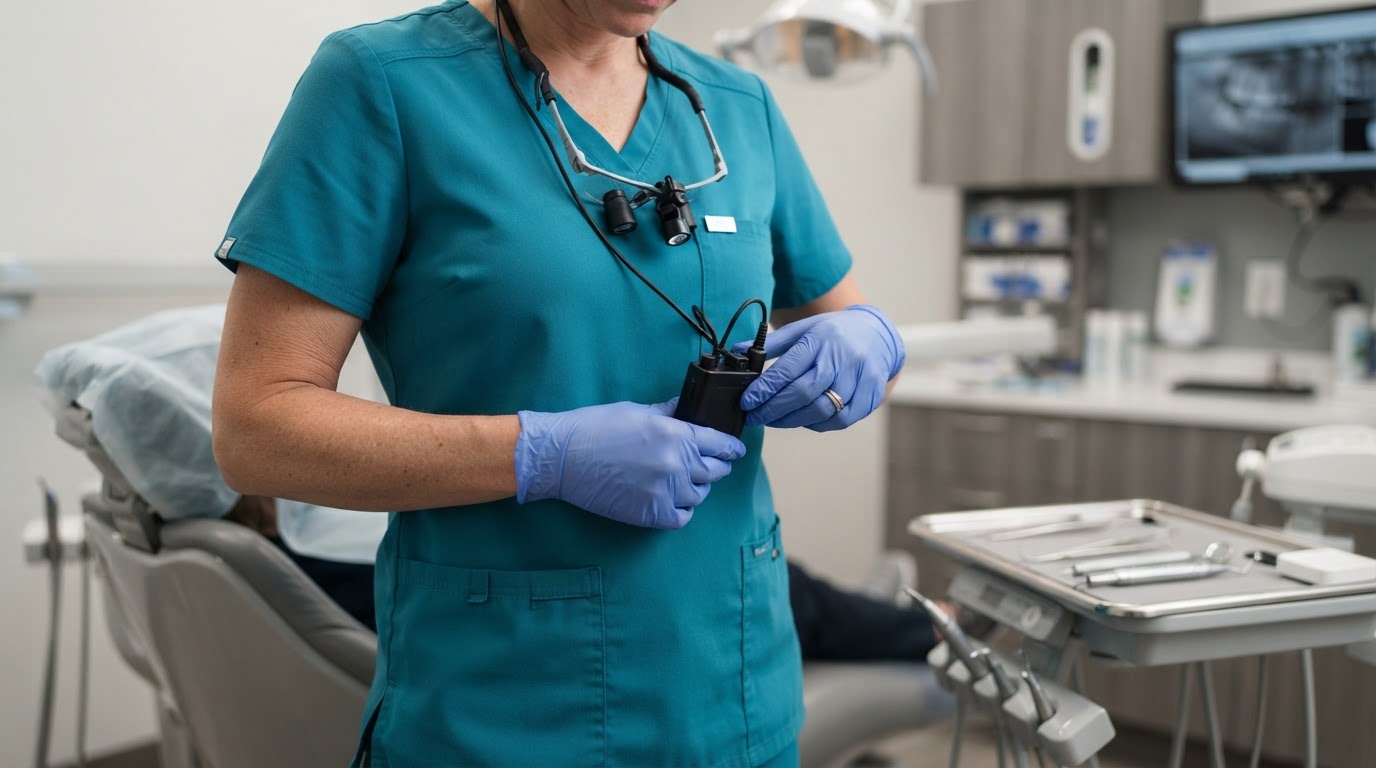
The Hidden Postural Cost of Cords
A tethered headlight can subtly pull on your head and neck as you move, creating low-grade strain across a full day. Cordless systems remove that drag but introduce battery management.
A Reliable Routine
- Charge batteries at the same point each day, ideally end of shift.
- Keep a charged spare accessible for mid-day swaps.
- Route any cords along the loupes arm to minimize pull on the neck.
Planning for Failure
A dead battery mid-procedure disrupts posture and flow. A spare charged pack and a consistent charging routine prevent the scramble that leads to compromised positioning.
Practical Takeaway
Charge at a set point each day, keep a charged spare, and route cords to minimize neck drag so a dead battery never forces you into poor posture.
Disclosure: This post may contain affiliate links. If you purchase through these links, RDHPlanet may earn a small commission at no additional cost to you. We only recommend products we use and trust clinically. See our affiliate disclosure for full details.
Authoritative Dental Resources
Join the RDHPlanet Weekly Newsletter
Practical, evidence-aware insights for working dental hygienists. Delivered straight to your inbox every Sunday.
Related Articles
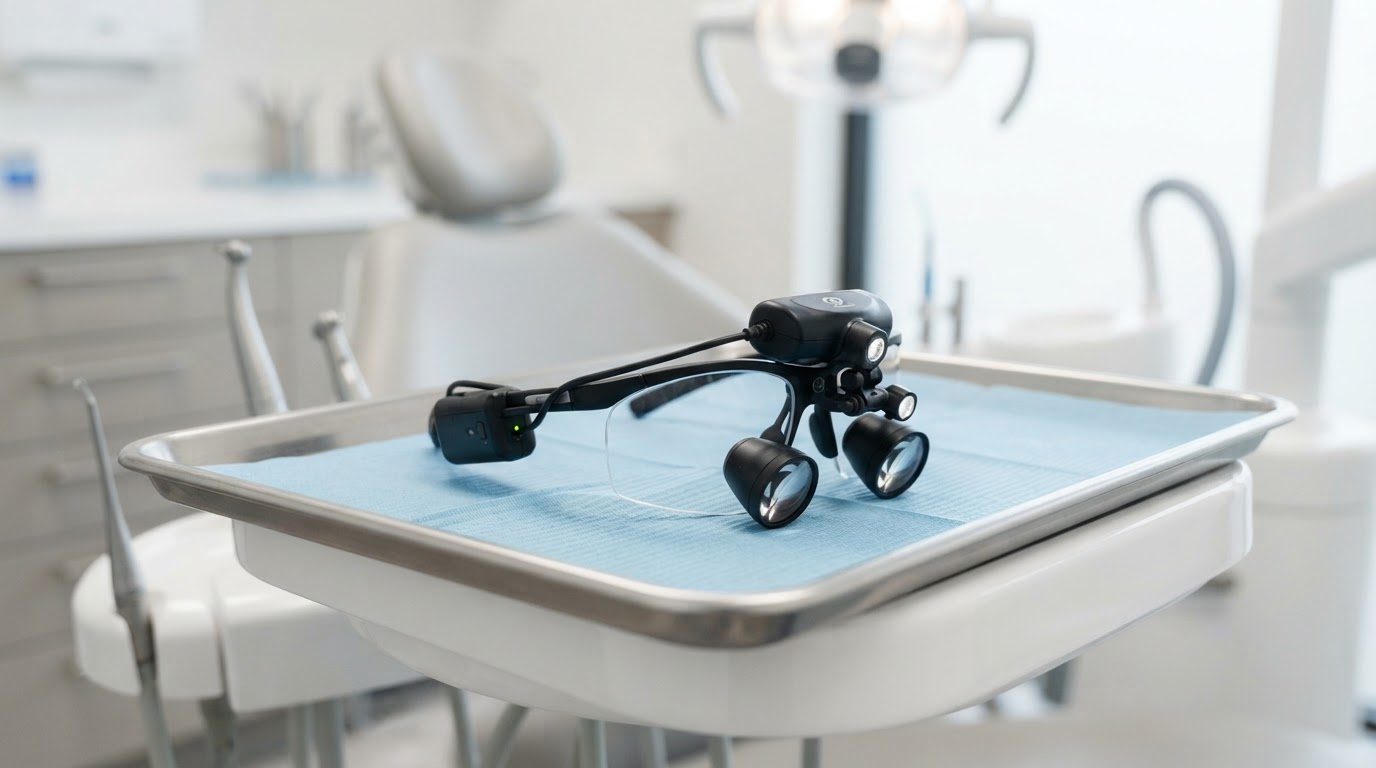
Loupes and Headlight Setup for Postural Health
Select and adjust loupes and a headlight to improve visibility while protecting your neck and upper back.

Achieving Neutral Seated Posture in the Operatory
Establish a neutral seated posture that protects your spine, shoulders, and wrists across a full day of patient care.