A Musculoskeletal Self-Assessment for Hygienists
Run a periodic musculoskeletal self-assessment to catch early strain patterns before they become career-limiting injuries.
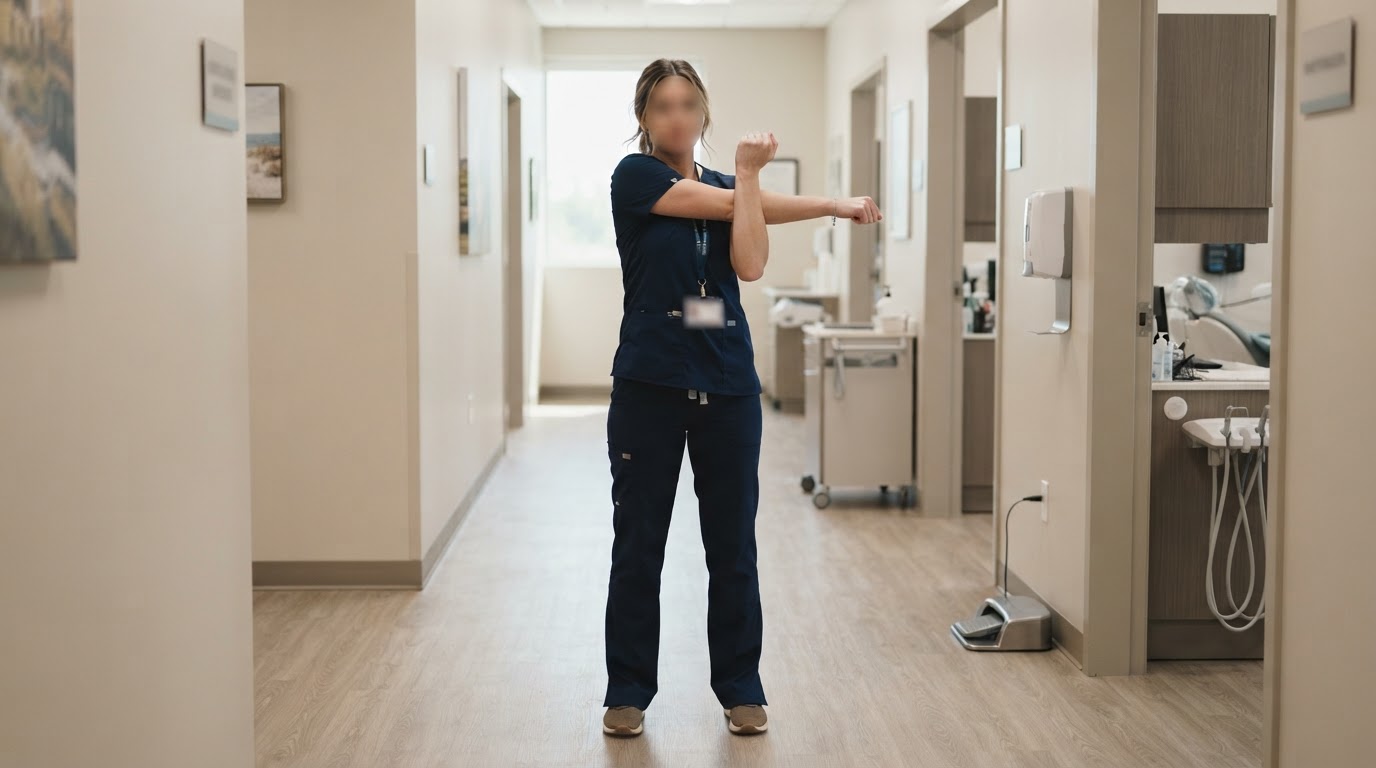
Catch Strain Early
Musculoskeletal injuries develop gradually. A periodic self-assessment helps you identify strain patterns at the stage when technique and equipment changes can still reverse them.
What to Check
- Note any pain that persists beyond the workday.
- Identify which procedures or positions trigger discomfort.
- Track whether symptoms are improving, stable, or worsening over weeks.
Acting on Findings
Translate findings into changes: equipment adjustment, technique refinement, or medical evaluation. Persistent or worsening symptoms warrant professional assessment, not endurance.
Practical Takeaway
Run a periodic self-assessment, track which procedures trigger discomfort, and act on findings with equipment, technique, or medical changes before strain becomes injury.
Authoritative Dental Resources
Join the RDHPlanet Weekly Newsletter
Practical, evidence-aware insights for working dental hygienists. Delivered straight to your inbox every Sunday.
Related Articles
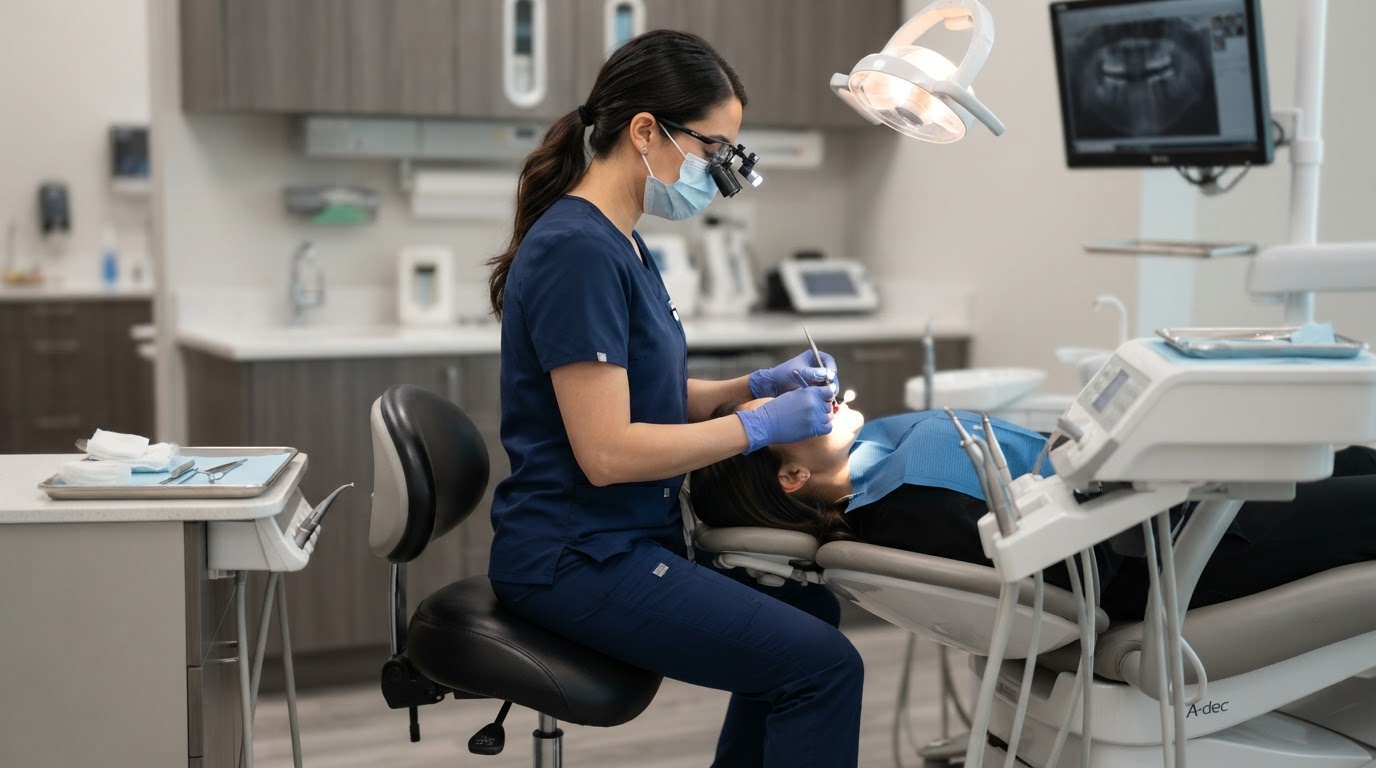
Achieving Neutral Seated Posture in the Operatory
Establish a neutral seated posture that protects your spine, shoulders, and wrists across a full day of patient care.
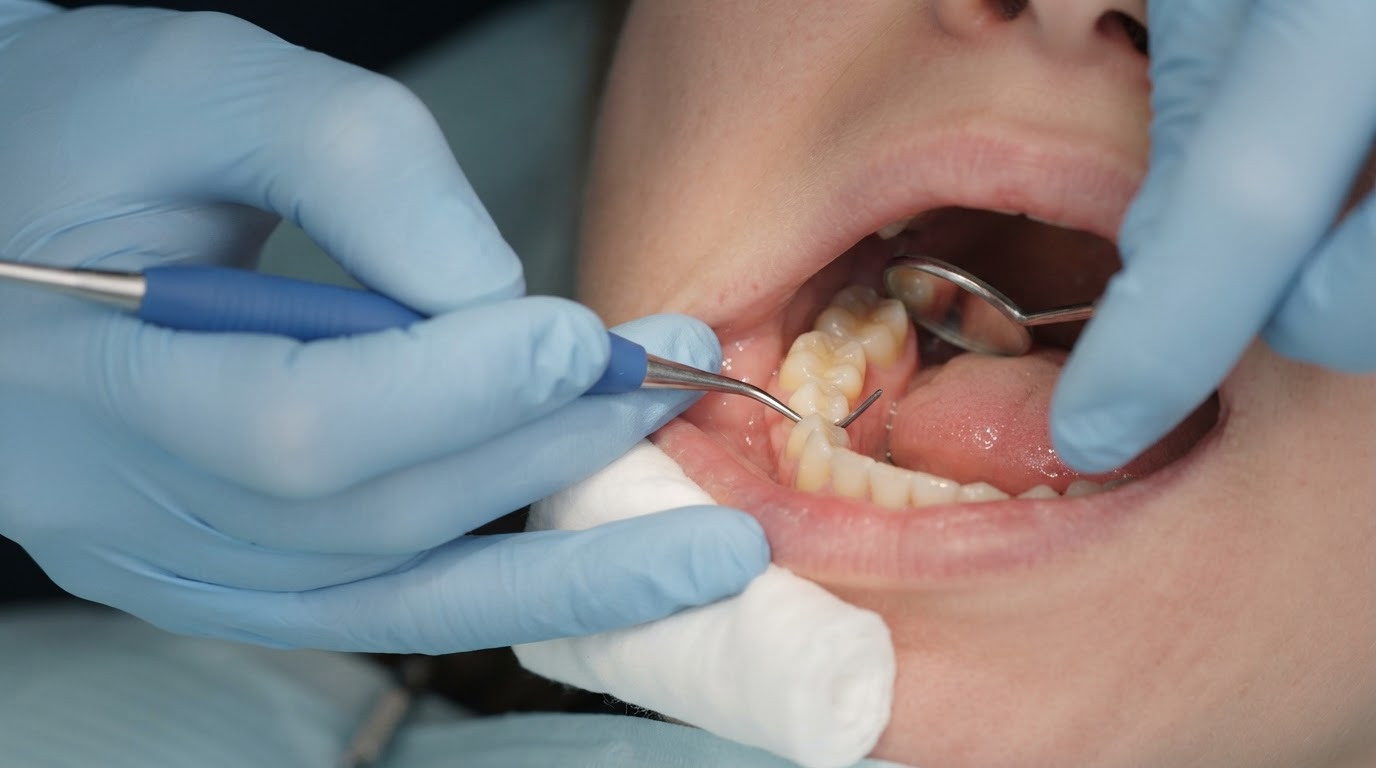
Wrist and Hand Care for Scaling-Intensive Days
Protect your wrists and hands on scaling-intensive days with grip awareness, micro-breaks, and recovery techniques.