Sharps Safety and Injury Prevention Protocol
Prevent percutaneous injuries with safe handling, disposal, and a clear post-exposure response path for the team.
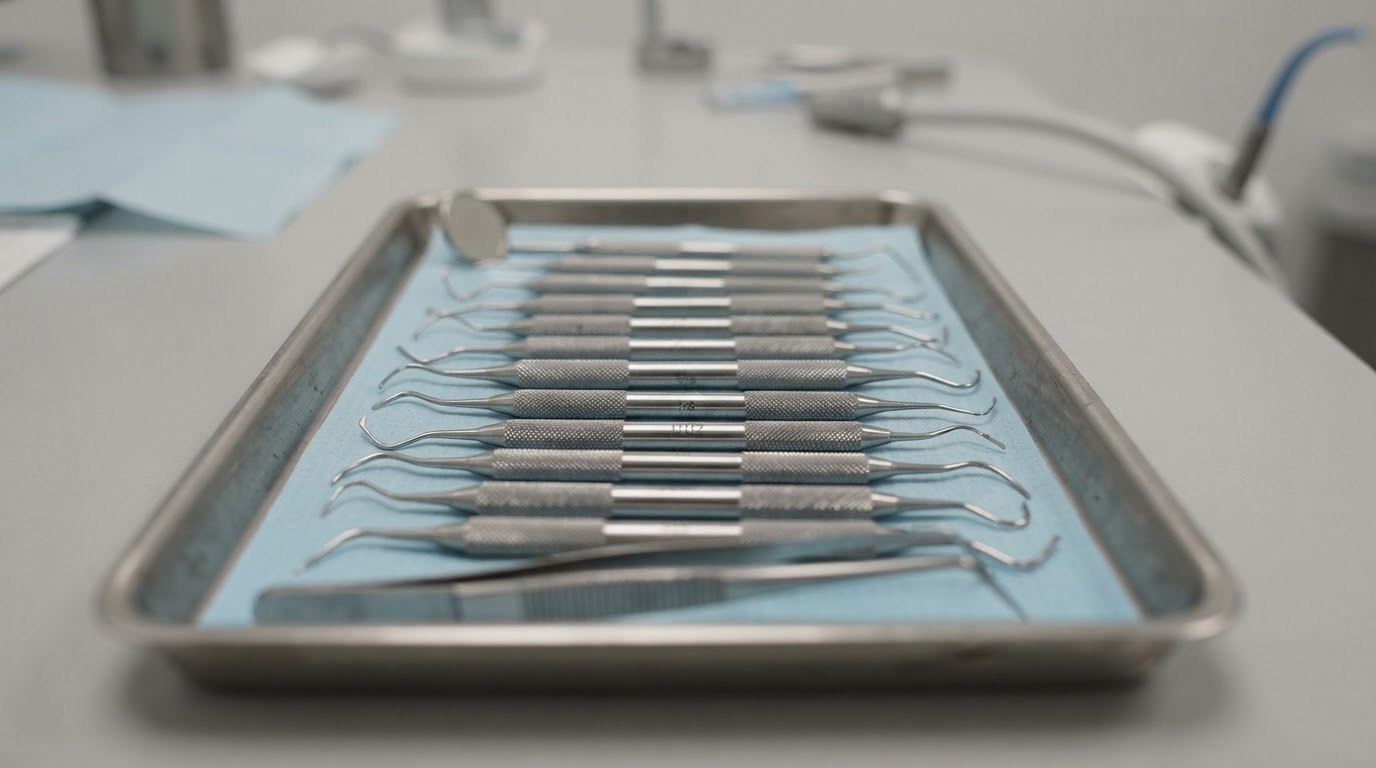
Engineering and Work Practice Controls
Most percutaneous injuries are preventable. Engineering controls and consistent work practices reduce risk at the source.
Daily Practices
- Use one-handed scoop technique or safety devices for needle recapping.
- Never pass an exposed sharp by hand; use a designated tray zone.
- Dispose of sharps immediately at the point of use in an approved container.
Post-Exposure Response
Know the exposure protocol before an event occurs. Immediate washing, prompt reporting, and follow-up evaluation are time-sensitive and should be rehearsed.
Practical Takeaway
Prevent injury with one-handed recapping and point-of-use disposal, and rehearse the post-exposure response so the team can act without hesitation.
Authoritative Dental Resources
Join the RDHPlanet Weekly Newsletter
Practical, evidence-aware insights for working dental hygienists. Delivered straight to your inbox every Sunday.
Related Articles
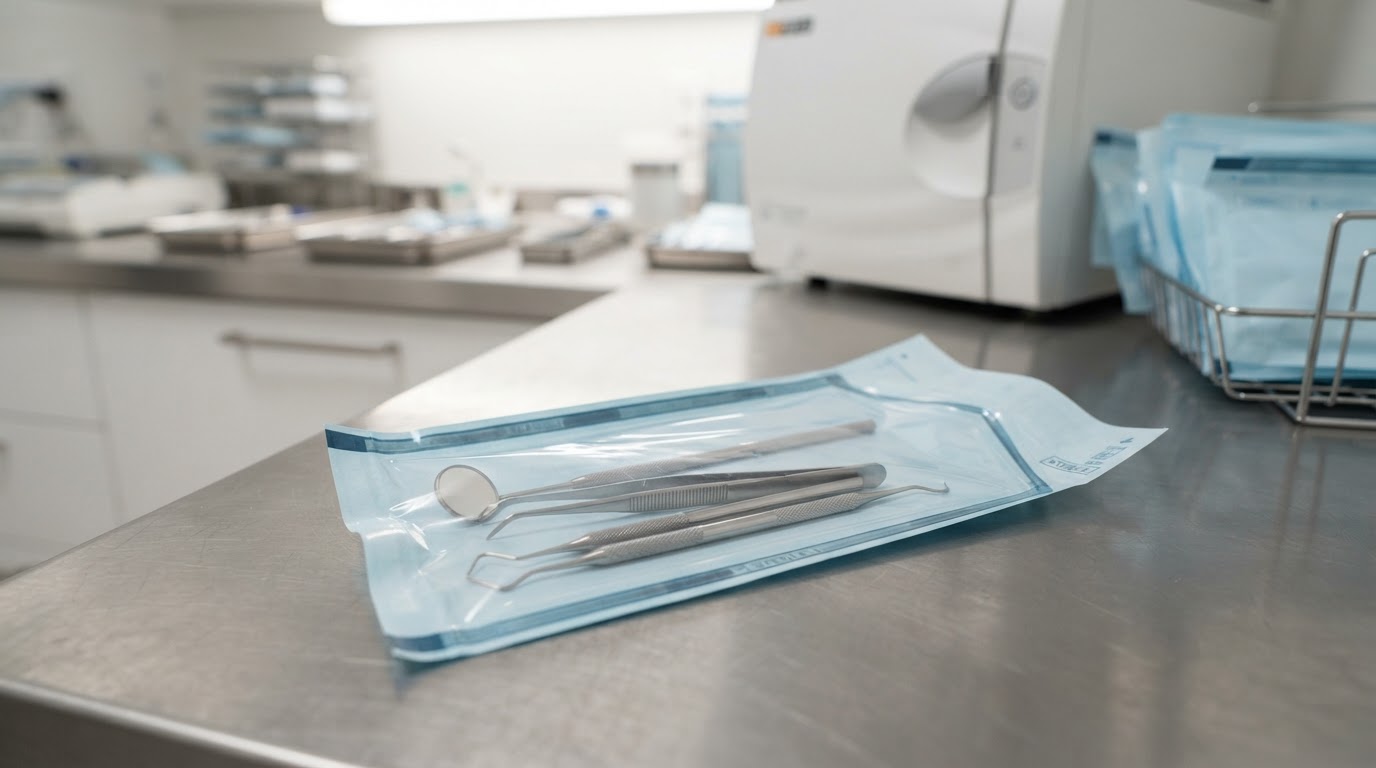
A Daily Infection Control Checklist for Hygienists
A practical, repeatable infection control checklist covering sterilization, barriers, and documentation for every appointment.
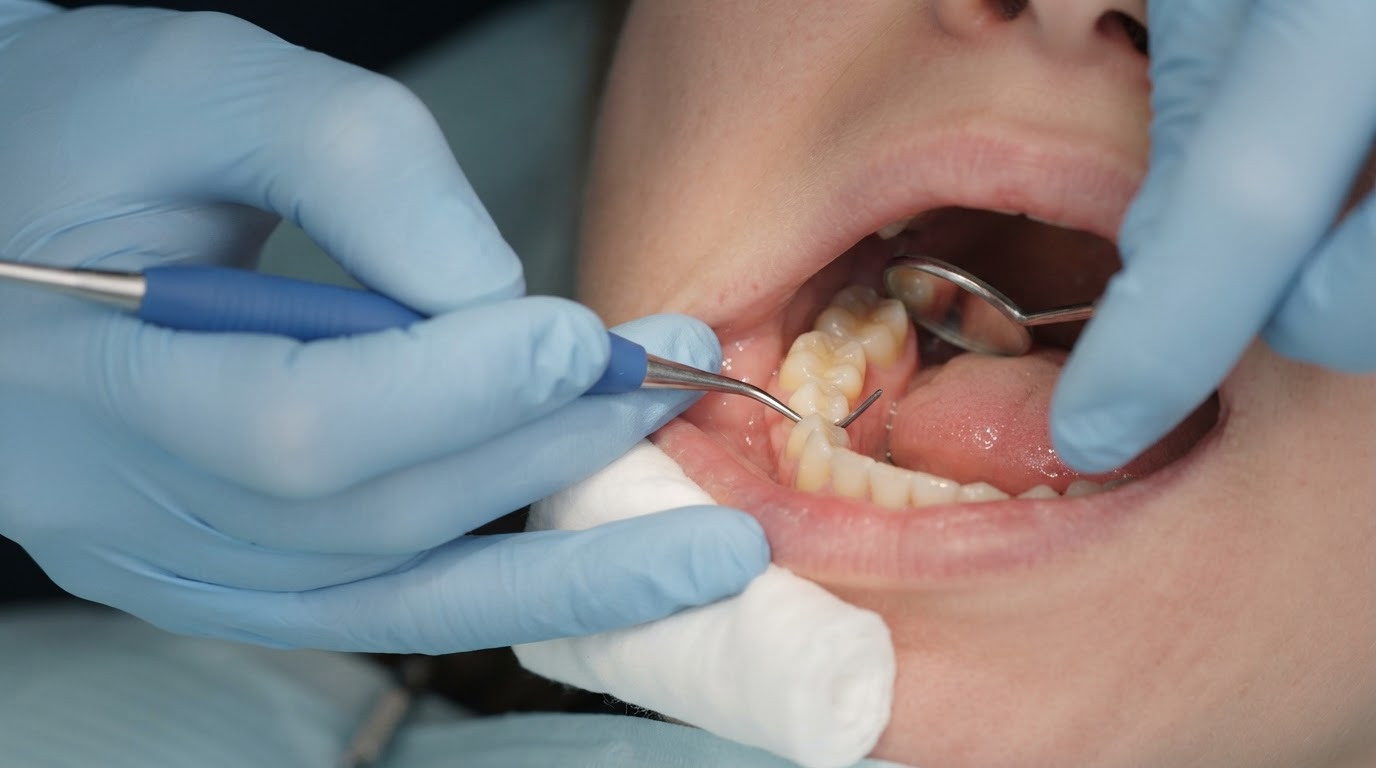
The Modified Pen Grasp: Ergonomics and Control
Refine your modified pen grasp to balance control and relaxation, reducing hand fatigue without sacrificing precision.