Ultrasonic Scaling: Best Practices for Clinical Outcomes
Optimize power scaling technique with tip selection, power settings, and lavage to improve outcomes and patient comfort.
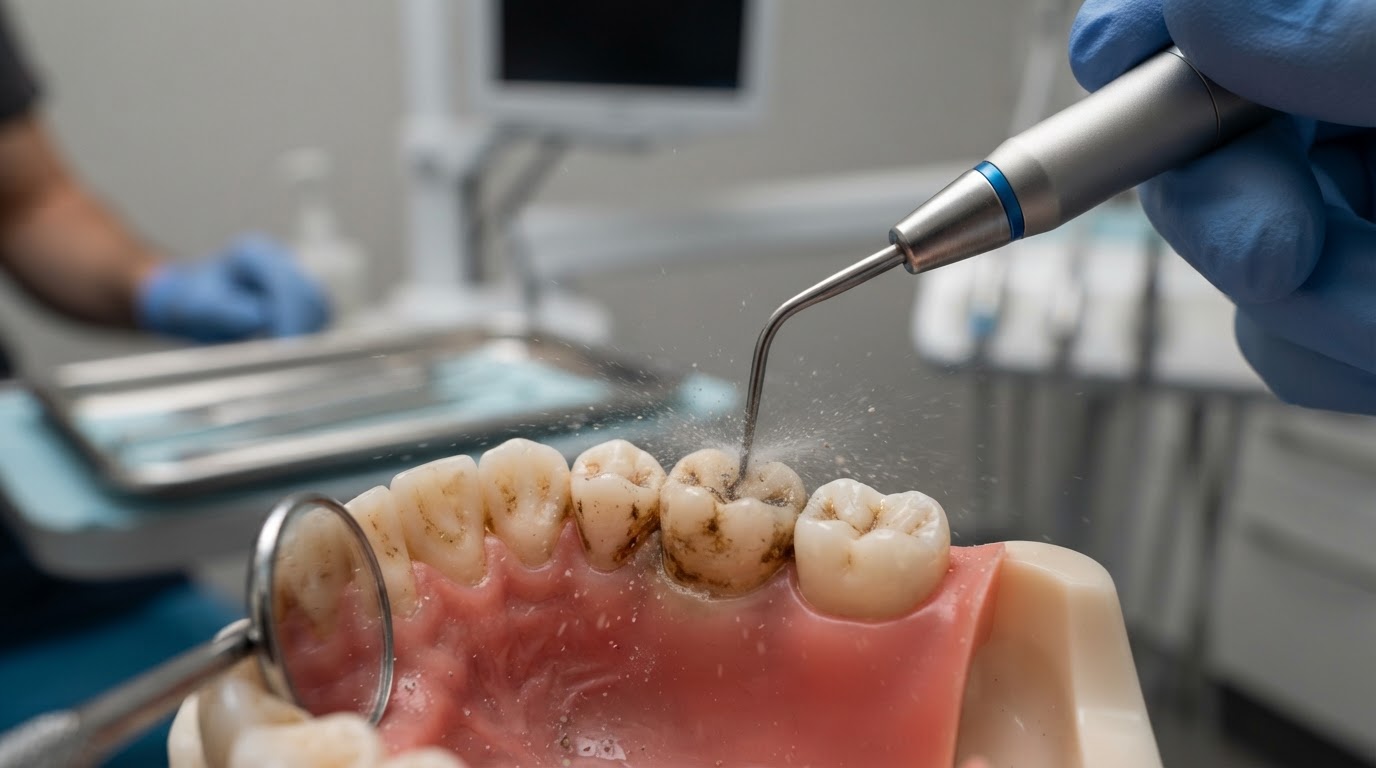
Choosing the Right Tip
Tip selection drives clinical outcome more than any single setting. Use standard or robust tips for heavy supragingival deposit, slim tips for subgingival biofilm disruption, and straight tips for anterior segments where access is unrestricted.
Power Settings and Lavage
- Match power to the deposit: medium-high for tenacious calculus, low for biofilm and sensitive patients.
- Keep water lavage adequate to prevent overheating of the tooth and the transducer.
- Use short, overlapping, lateral strokes; never press the tip against the tooth.
Patient Comfort Considerations
Sensitivity, noise, and aerosol are the main barriers. Pre-rinse with an antimicrobial mouthrinse, offer ear protection, and consider a piezoelectric unit for patients sensitive to vibration. For more on aerosol management, see our aerosol control guide.
Practical Takeaway
Let the tip and water do the work. Use the lowest effective power setting with short, light, overlapping strokes and keep the tip moving to avoid etching the root surface.
Disclosure: This post may contain affiliate links. If you purchase through these links, RDHPlanet may earn a small commission at no additional cost to you. We only recommend products we use and trust clinically. See our affiliate disclosure for full details.
Authoritative Dental Resources
Join the RDHPlanet Weekly Newsletter
Practical, evidence-aware insights for working dental hygienists. Delivered straight to your inbox every Sunday.
Related Articles
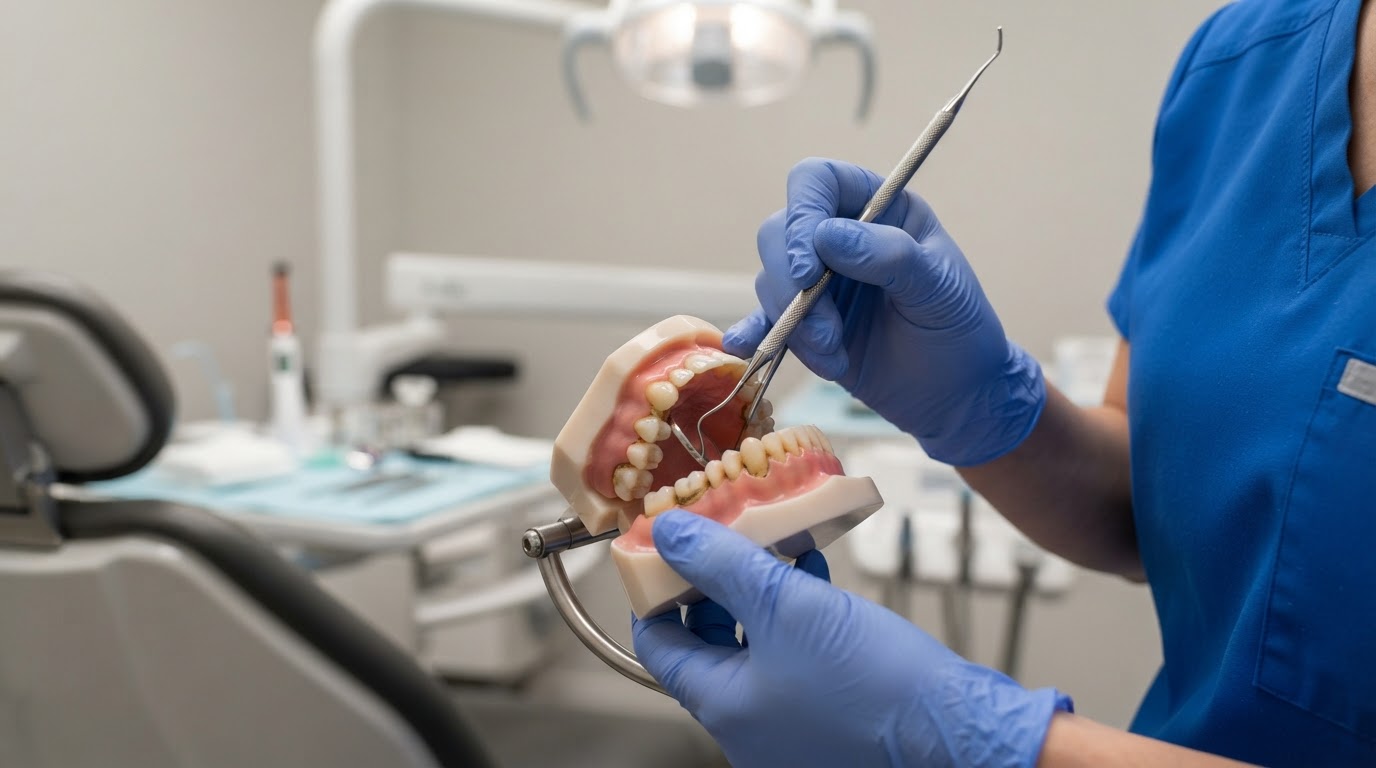
Advanced Instrumentation Techniques for Stubborn Calculus
Evidence-based approaches to remove tenacious burnished calculus while minimizing operator fatigue and protecting root surfaces.
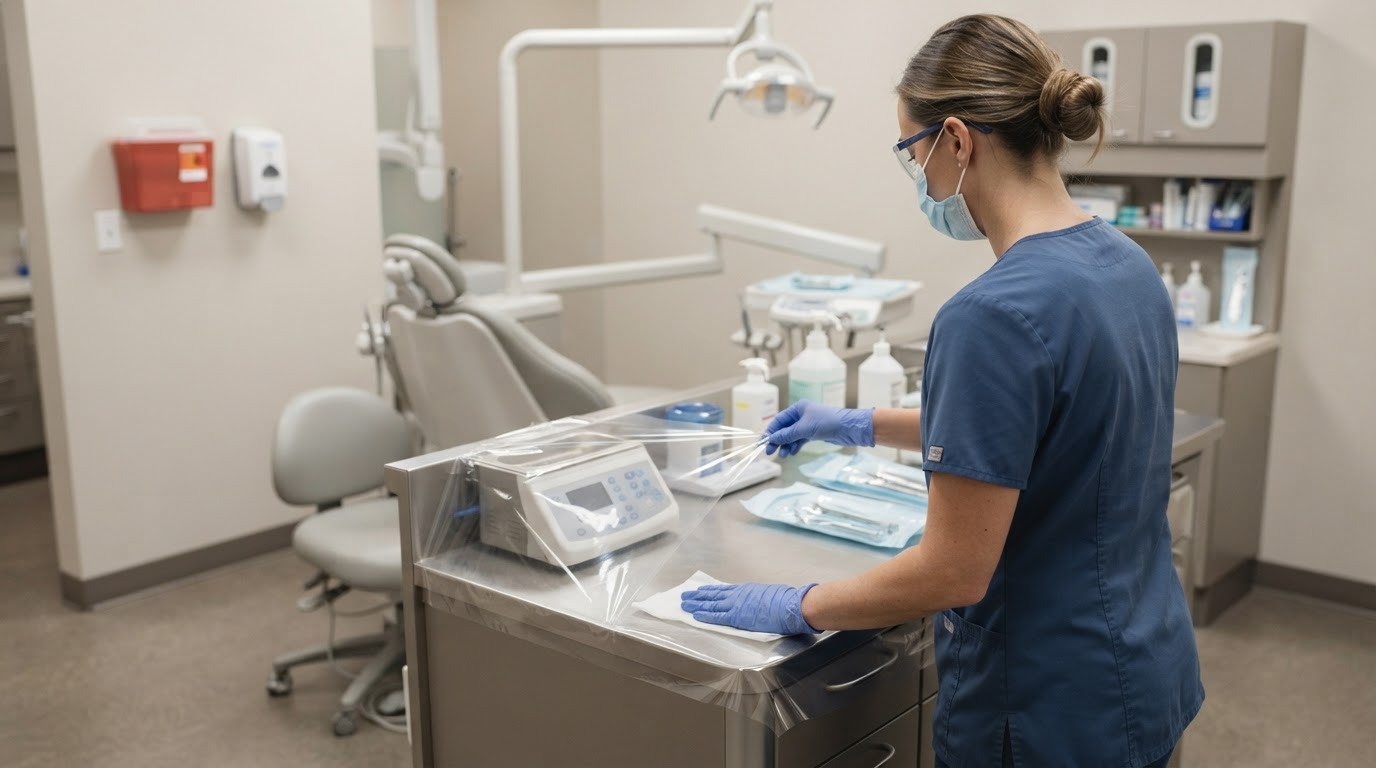
Aerosol Control in the Dental Hygiene Appointment
Reduce aerosol exposure with pre-procedural rinsing, high-volume evacuation, and barrier protocols that protect everyone.