Aerosol Control in the Dental Hygiene Appointment
Reduce aerosol exposure with pre-procedural rinsing, high-volume evacuation, and barrier protocols that protect everyone.
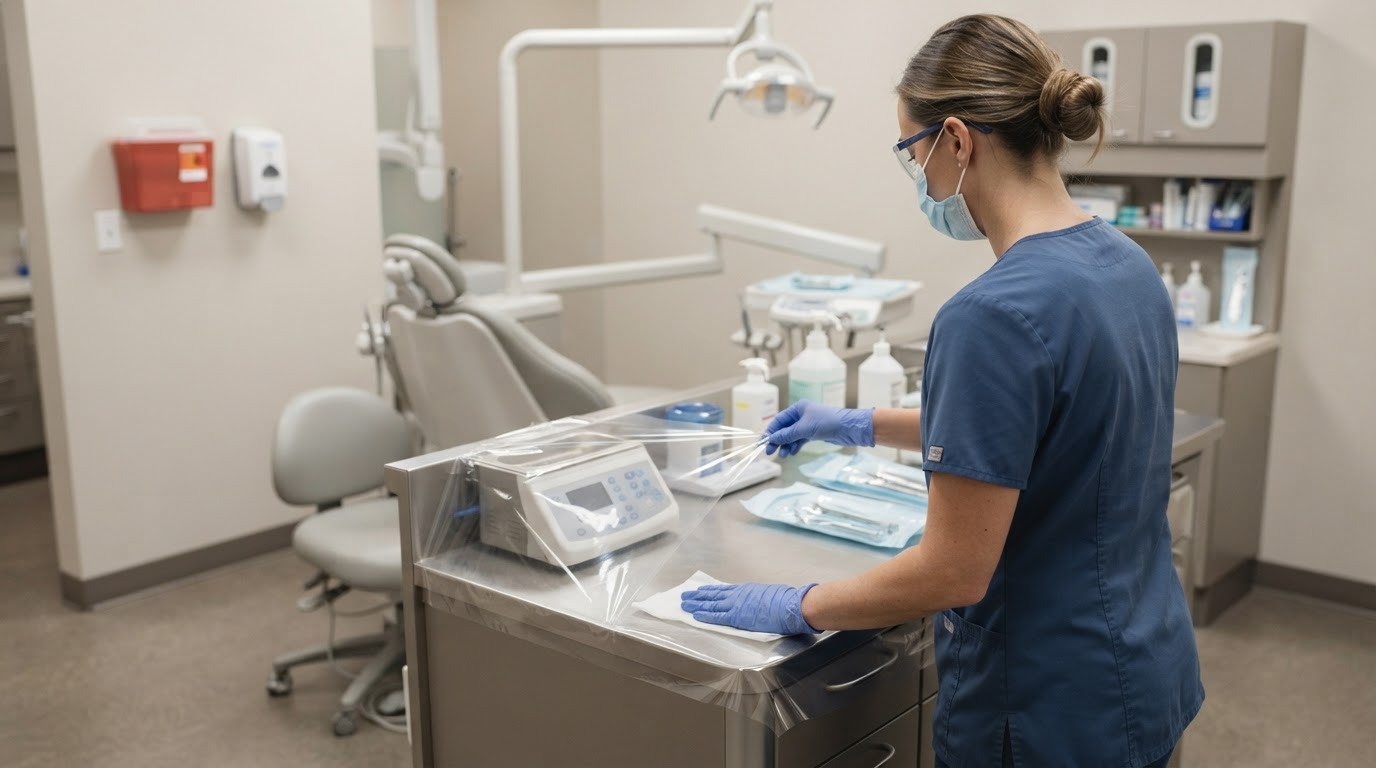
Understanding the Risk
Ultrasonic and polishing procedures generate visible spray and invisible aerosol. A layered control strategy protects the patient, the operator, and the team.
A Layered Control Strategy
- Use a pre-procedural antimicrobial mouthrinse for 30-60 seconds.
- Position high-volume evacuation close to the operative site.
- Apply surface barriers to exposed touchpoints and disinfect between patients.
Engineering and Work Practice Controls
Combine HVE with rubber dam where feasible and ensure operatory air handling is adequate. Work practice controls, including proper technique and scheduling, complement engineering controls.
Practical Takeaway
Layer pre-procedural rinsing, high-volume evacuation, and surface barriers. No single control eliminates aerosol, so combine engineering and work-practice controls.
Authoritative Dental Resources
Join the RDHPlanet Weekly Newsletter
Practical, evidence-aware insights for working dental hygienists. Delivered straight to your inbox every Sunday.
Related Articles
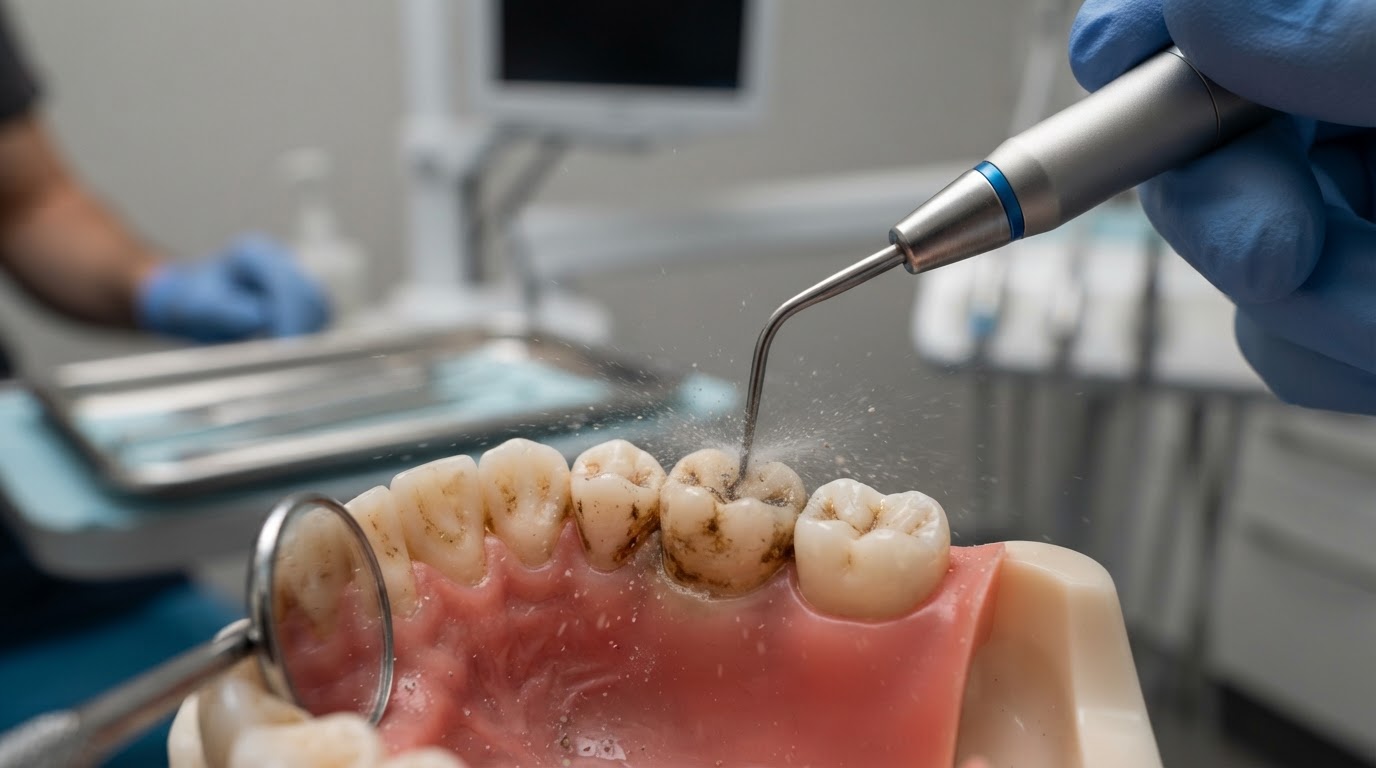
Ultrasonic Scaling: Best Practices for Clinical Outcomes
Optimize power scaling technique with tip selection, power settings, and lavage to improve outcomes and patient comfort.
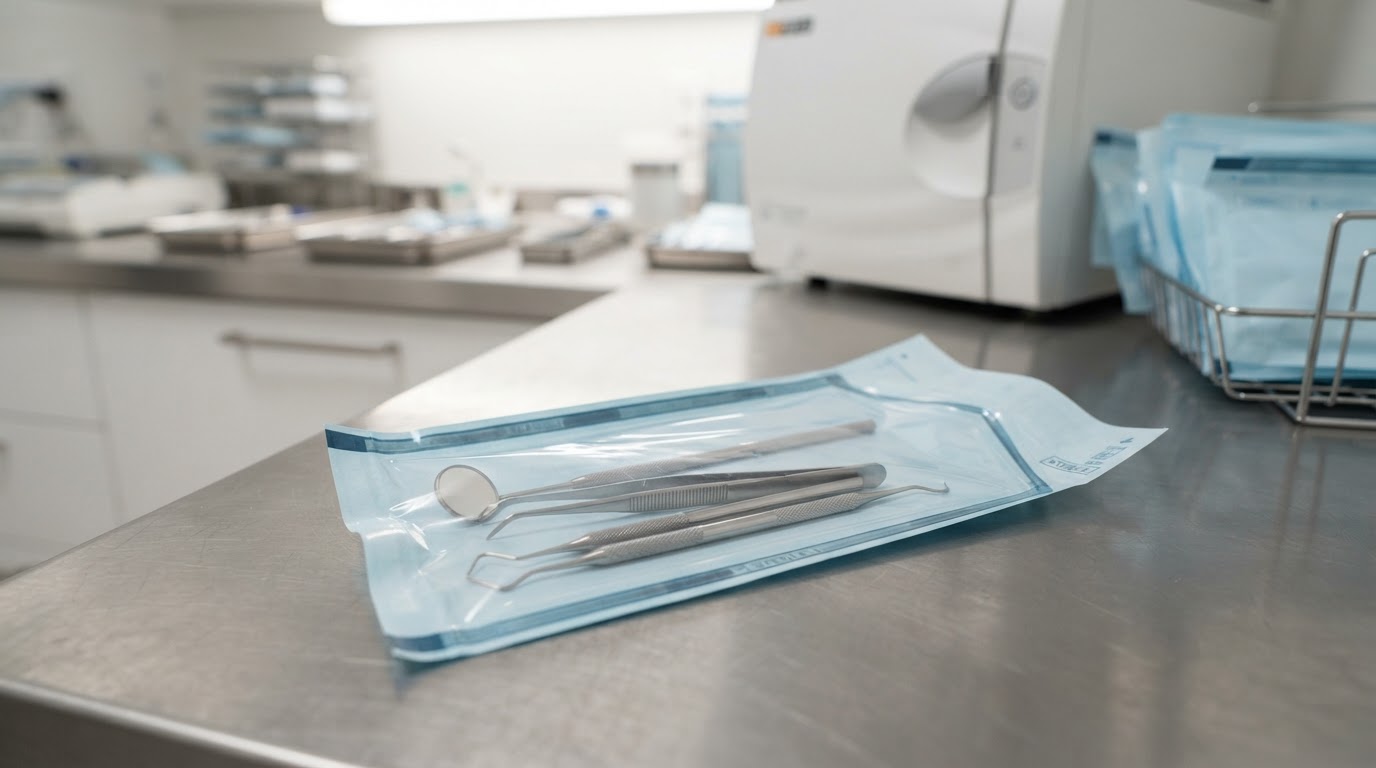
A Daily Infection Control Checklist for Hygienists
A practical, repeatable infection control checklist covering sterilization, barriers, and documentation for every appointment.