Advanced Instrumentation Techniques for Stubborn Calculus
Evidence-based approaches to remove tenacious burnished calculus while minimizing operator fatigue and protecting root surfaces.
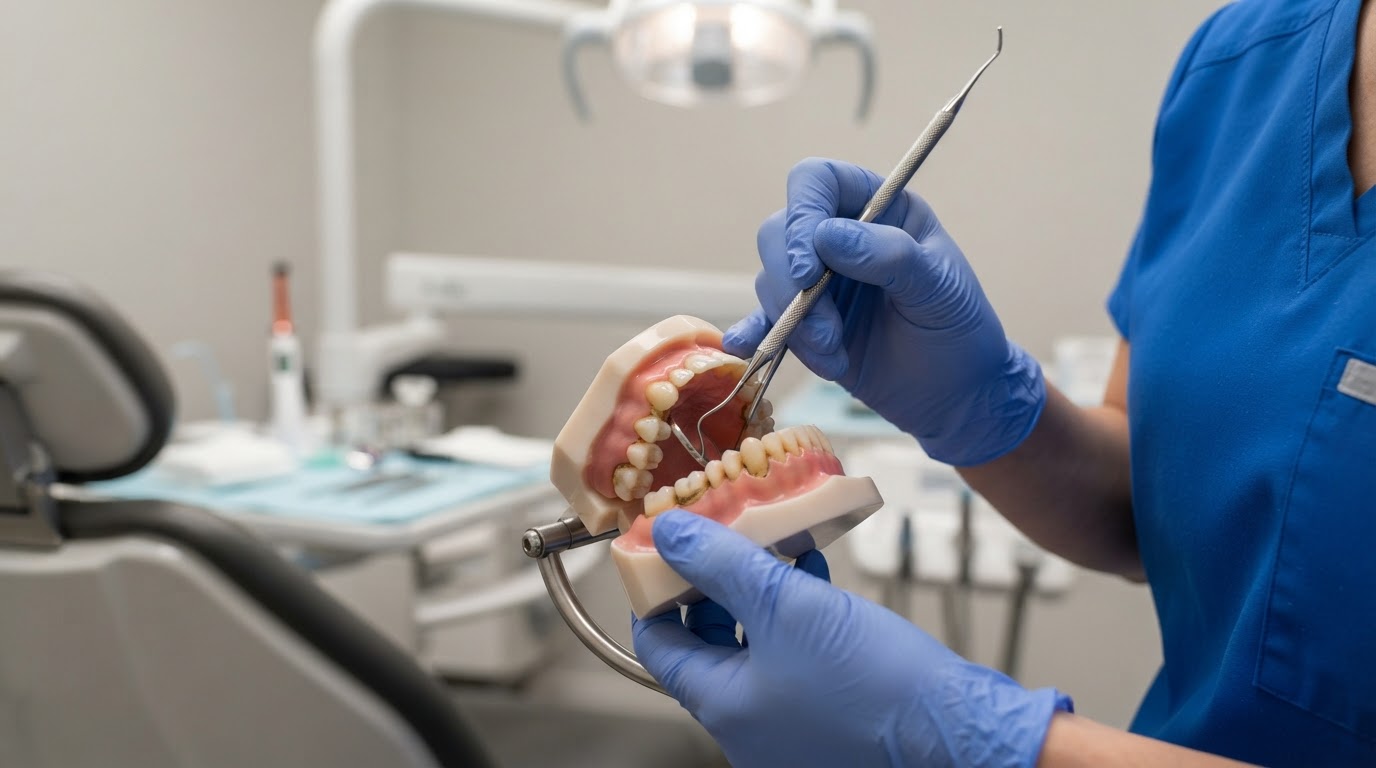
The Challenge of Burnished Calculus
Every dental hygienist has encountered that piece of burnished, tenacious calculus that seems fused to the root surface. While our instinct may be to apply more lateral pressure, evidence-based practice calls for a more strategic approach that protects both tooth structure and our own musculoskeletal health.
Burnished calculus forms when inadequate lateral pressure or an incorrect blade angle shaves off only the outermost layer of deposit, leaving a smooth, hard surface that is difficult to detect and remove.
Key Detection Strategies
- Use a sharp explorer (such as an ODU 11/12) with a light, relaxed grasp.
- Rely on tactile sensitivity rather than auditory cues alone.
- Dry the field with air; burnished calculus often appears as a dull, matte spot on an otherwise shiny root.
A Removal Sequence That Works
- Micro-fracture the deposit using short, firm, biting strokes with a rigid curette or periodontal file.
- Integrate ultrasonic instrumentation on a medium-high setting to penetrate the micro-fractures.
- Finish with a sharp finishing curette to leave the root surface biologically acceptable.
Protecting Your Ergonomics
Difficult deposits tempt us to compromise posture. Maintain a neutral spine, keep wrists straight, and rely on your fulcrum. If you notice knuckle blanching from over-gripping, stop, stretch, and reset your modified pen grasp.
Practical Takeaway
Never try to remove a large, tenacious deposit with a single stroke. Use the file, fracture, and flush method: create micro-fractures with rigid hand instruments, then use ultrasonic energy to break the deposit apart.
Disclosure: This post may contain affiliate links. If you purchase through these links, RDHPlanet may earn a small commission at no additional cost to you. We only recommend products we use and trust clinically. See our affiliate disclosure for full details.
Authoritative Dental Resources
Join the RDHPlanet Weekly Newsletter
Practical, evidence-aware insights for working dental hygienists. Delivered straight to your inbox every Sunday.
Related Articles
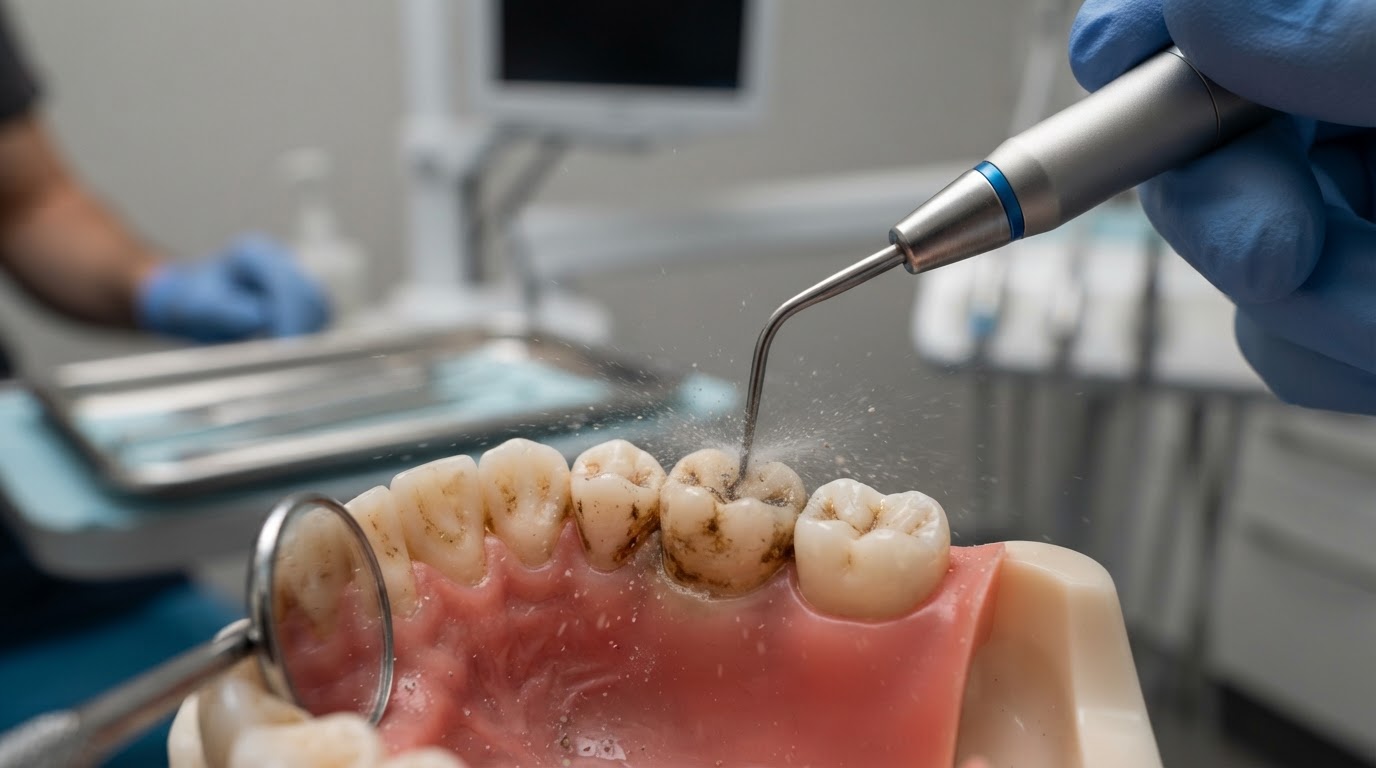
Ultrasonic Scaling: Best Practices for Clinical Outcomes
Optimize power scaling technique with tip selection, power settings, and lavage to improve outcomes and patient comfort.
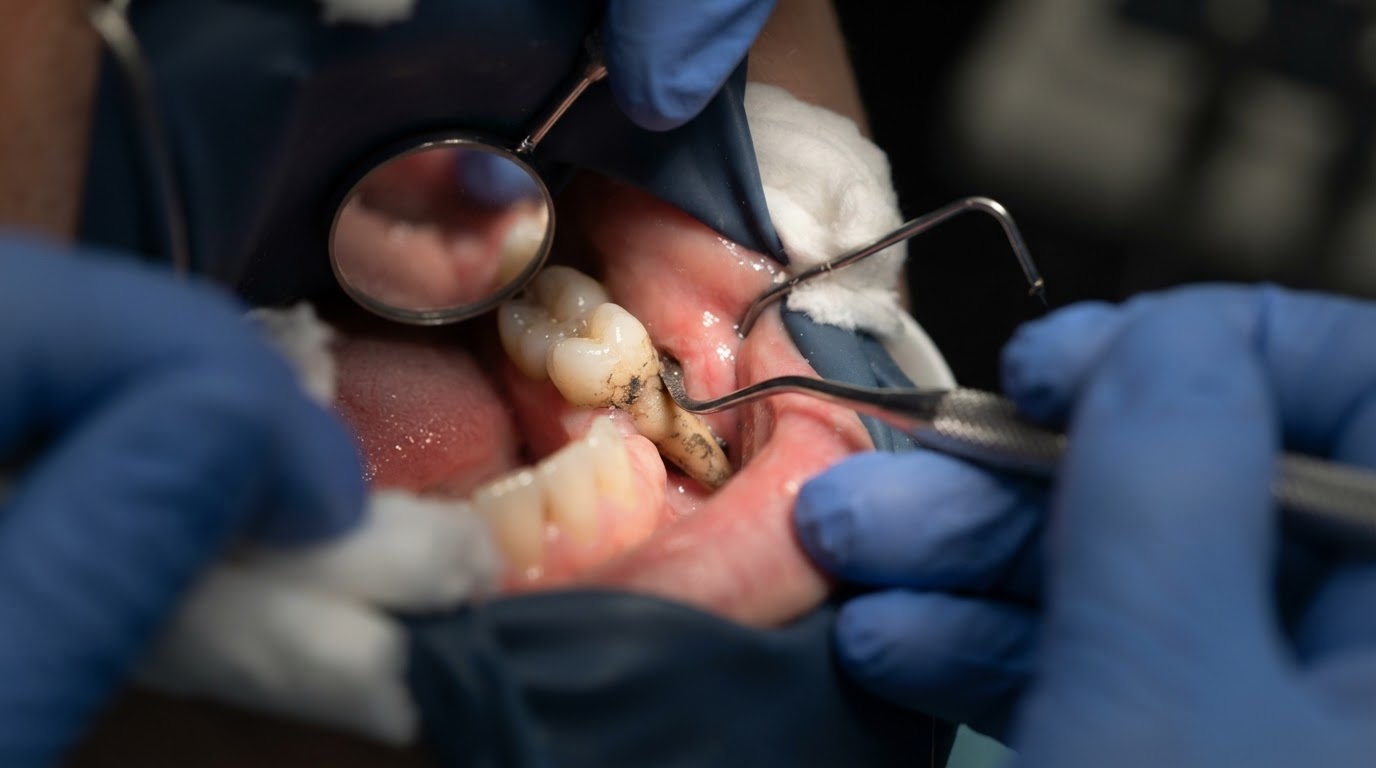
Gracey Curette Adaptation and Blade Angle Mastery
Master Gracey curette blade adaptation with correct working strokes, fulcrums, and site-specific instrument selection.