A Practical Instrument Sharpening Protocol
Maintain cutting efficiency and tactile sensitivity with a consistent sharpening routine and inspection process.
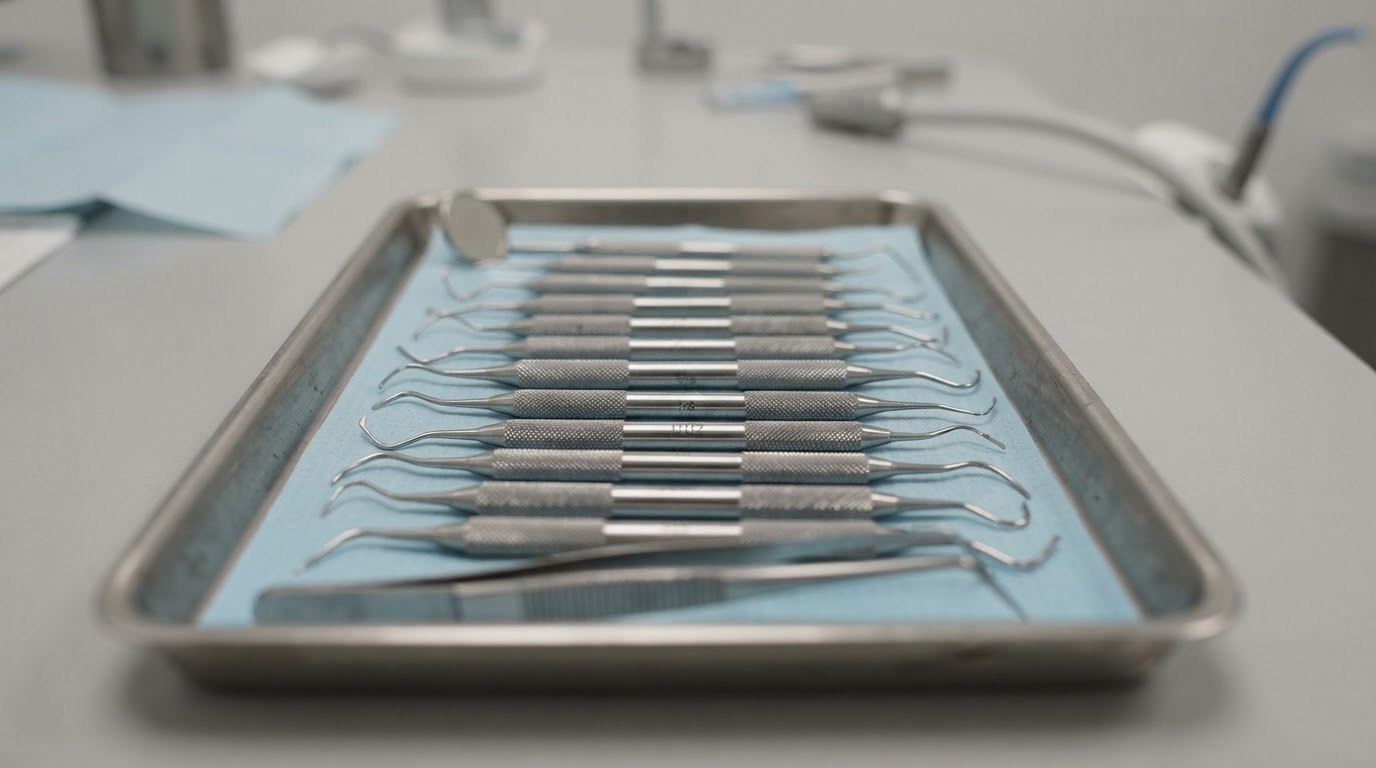
Why Sharpness Is Clinical
A dull instrument forces you to apply excessive lateral pressure, which fatigues your hand and increases the risk of burnishing calculus. Sharp instruments improve efficiency, reduce operator strain, and yield cleaner root surfaces.
Establishing a Routine
- Sharpen at set intervals, not only when an instrument feels dull.
- Maintain the original factory angle of the cutting edge.
- Test the edge with a plastic test stick under light pressure.
When to Retire an Instrument
Repeated sharpening reduces blade length. Once the working end is too short to adapt properly or the shank has weakened, retire the instrument. A short blade changes adaptation and can compromise subgingival access.
Practical Takeaway
Sharpen on a schedule, maintain the factory angle, and test on a plastic stick. Retire instruments once the shortened blade compromises adaptation.
Disclosure: This post may contain affiliate links. If you purchase through these links, RDHPlanet may earn a small commission at no additional cost to you. We only recommend products we use and trust clinically. See our affiliate disclosure for full details.
Authoritative Dental Resources
Join the RDHPlanet Weekly Newsletter
Practical, evidence-aware insights for working dental hygienists. Delivered straight to your inbox every Sunday.
Related Articles
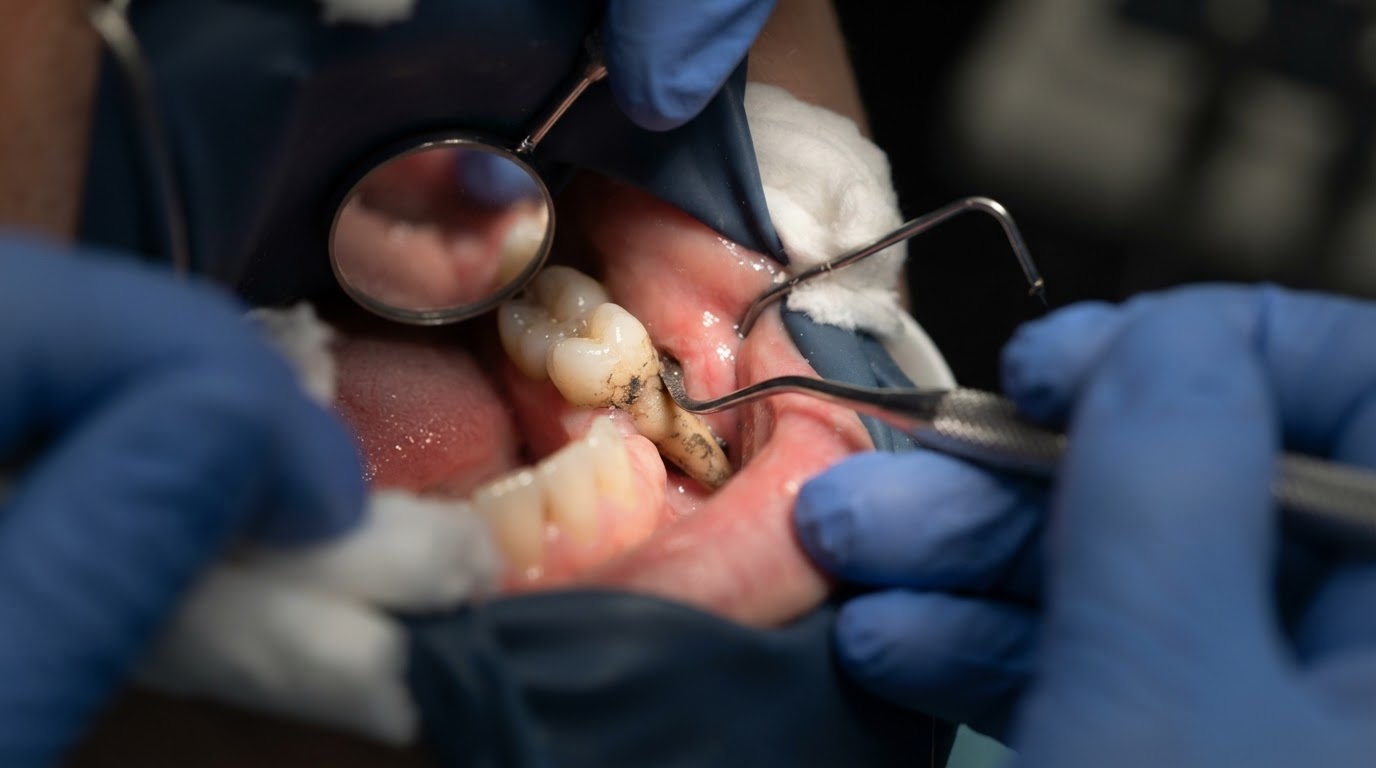
Gracey Curette Adaptation and Blade Angle Mastery
Master Gracey curette blade adaptation with correct working strokes, fulcrums, and site-specific instrument selection.
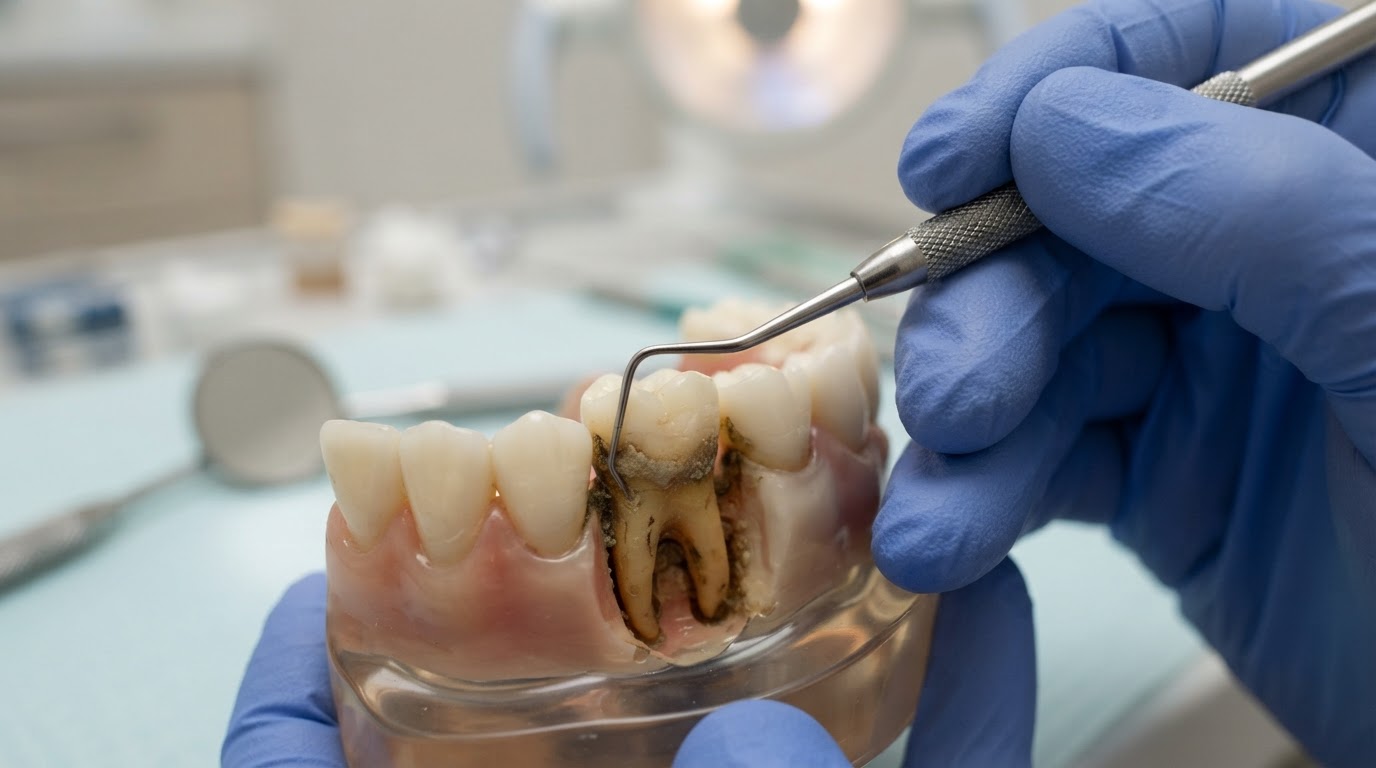
Calculus Detection Techniques That Improve Outcomes
Combine tactile, visual, and adjunctive detection methods to find subgingival calculus you might otherwise miss.