Calculus Detection Techniques That Improve Outcomes
Combine tactile, visual, and adjunctive detection methods to find subgingival calculus you might otherwise miss.
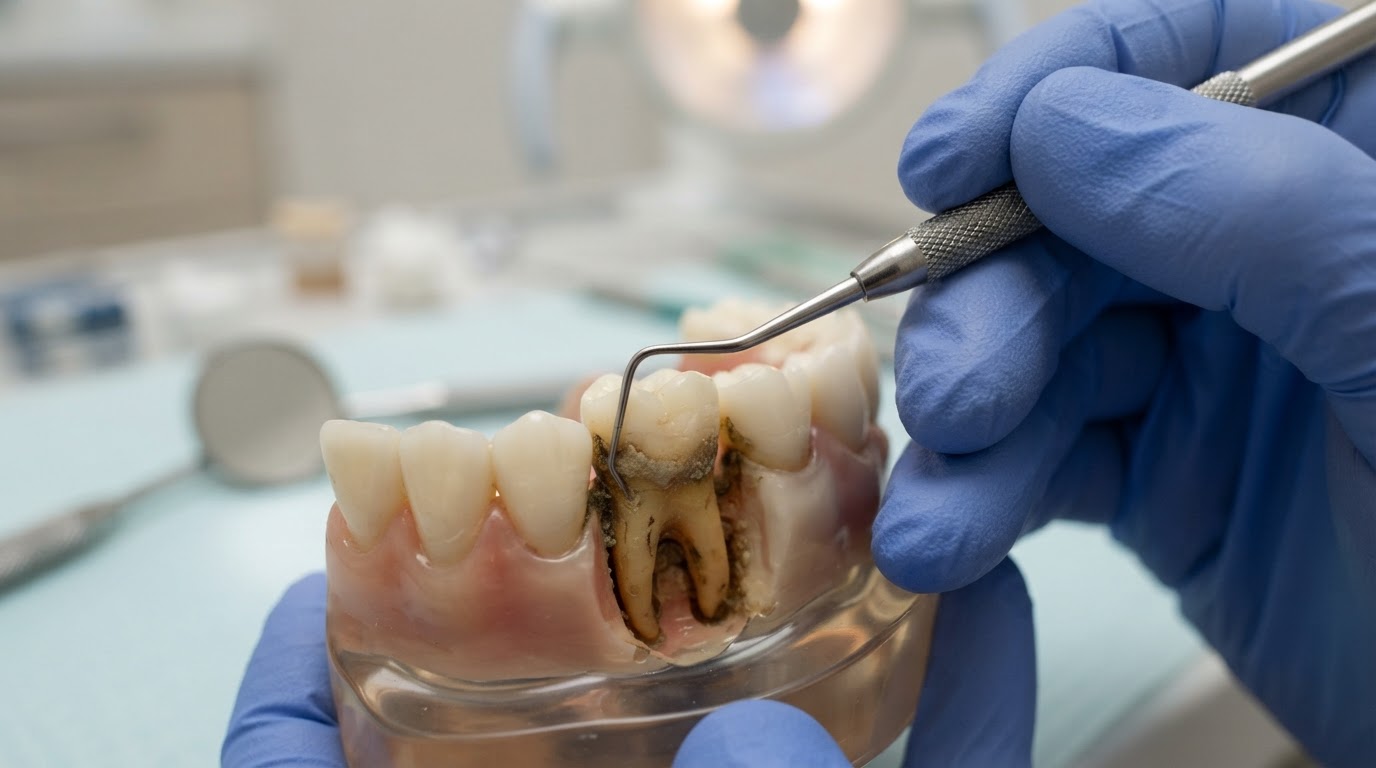
The Limits of Single-Mode Detection
Relying on a single detection method leaves residual deposits. The strongest assessment combines tactile exploration, visual inspection of a dried field, and adjunctive technologies where available.
A Layered Detection Strategy
- Dry the field; calculus appears dull against shiny enamel or root.
- Use a fine explorer with a light, relaxed grasp for tactile confirmation.
- Cross-check with furcation involvement and bleeding on probing patterns.
Adjunctive Technologies
When available, subgingival detection devices can supplement tactile sensitivity, particularly on burnished or residual deposits. These tools do not replace a sharp explorer but can increase confidence at re-evaluation.
Practical Takeaway
Combine a dried visual inspection, light tactile exploration, and bleeding-on-probing patterns. No single method catches every deposit, so layer your detection.
Authoritative Dental Resources
Join the RDHPlanet Weekly Newsletter
Practical, evidence-aware insights for working dental hygienists. Delivered straight to your inbox every Sunday.
Related Articles
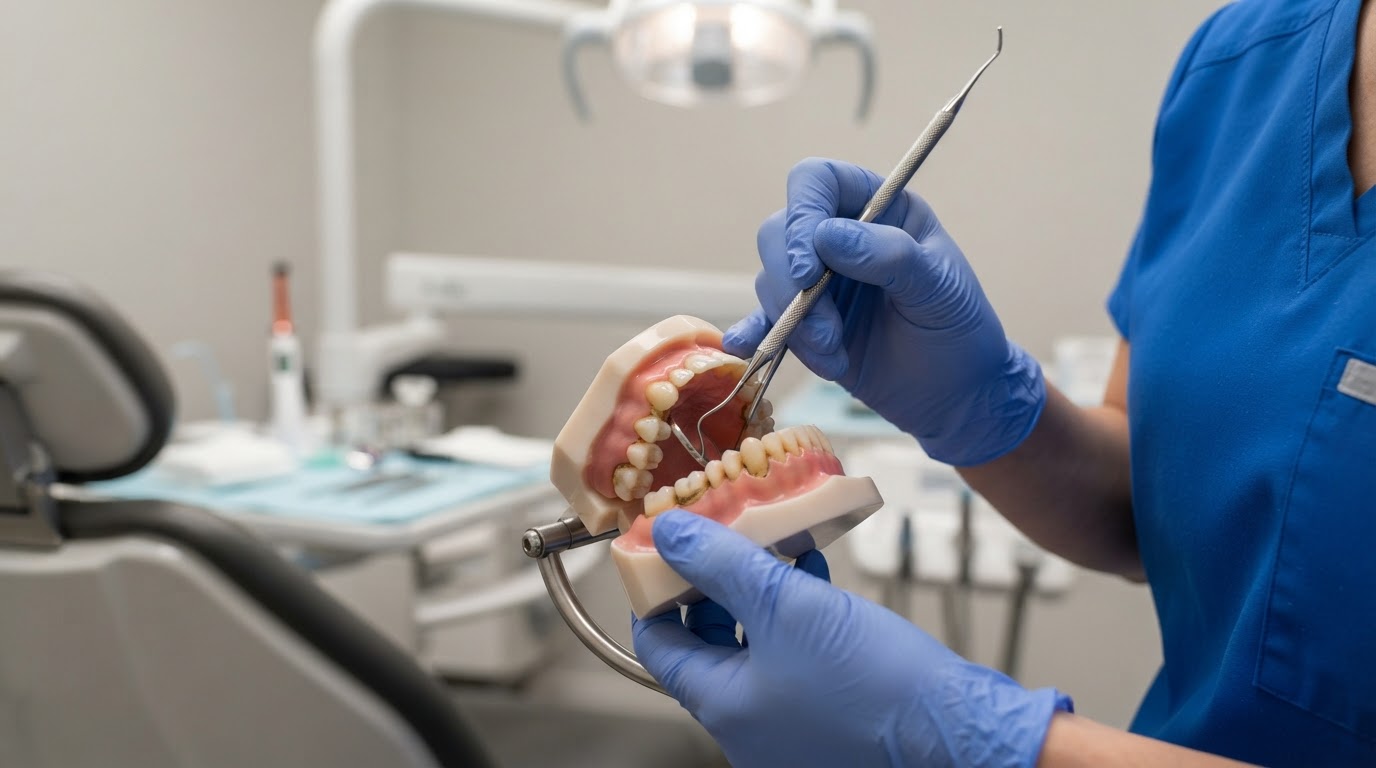
Advanced Instrumentation Techniques for Stubborn Calculus
Evidence-based approaches to remove tenacious burnished calculus while minimizing operator fatigue and protecting root surfaces.
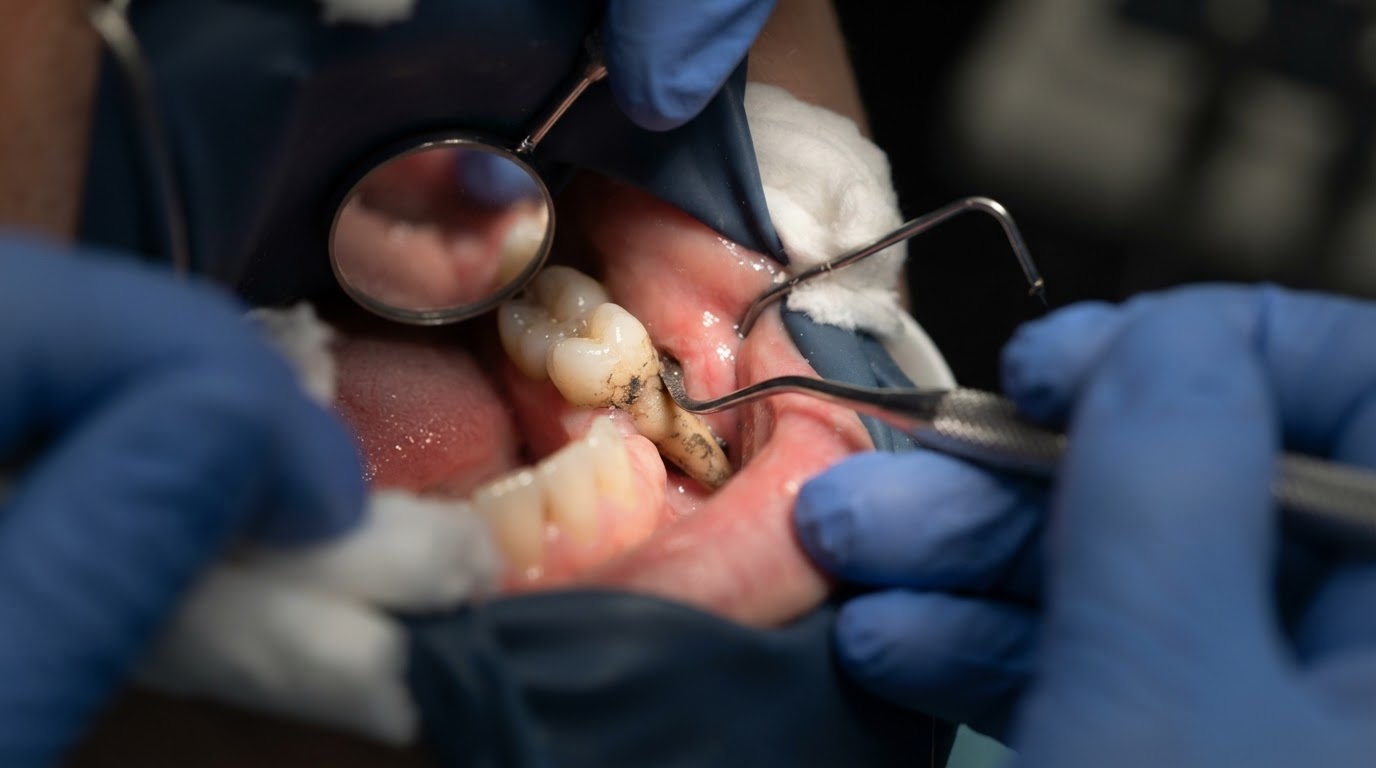
Gracey Curette Adaptation and Blade Angle Mastery
Master Gracey curette blade adaptation with correct working strokes, fulcrums, and site-specific instrument selection.