Caries Risk Assessment in the Hygiene Appointment
Use a structured caries risk assessment to individualize recall intervals, fluoride, and patient education.
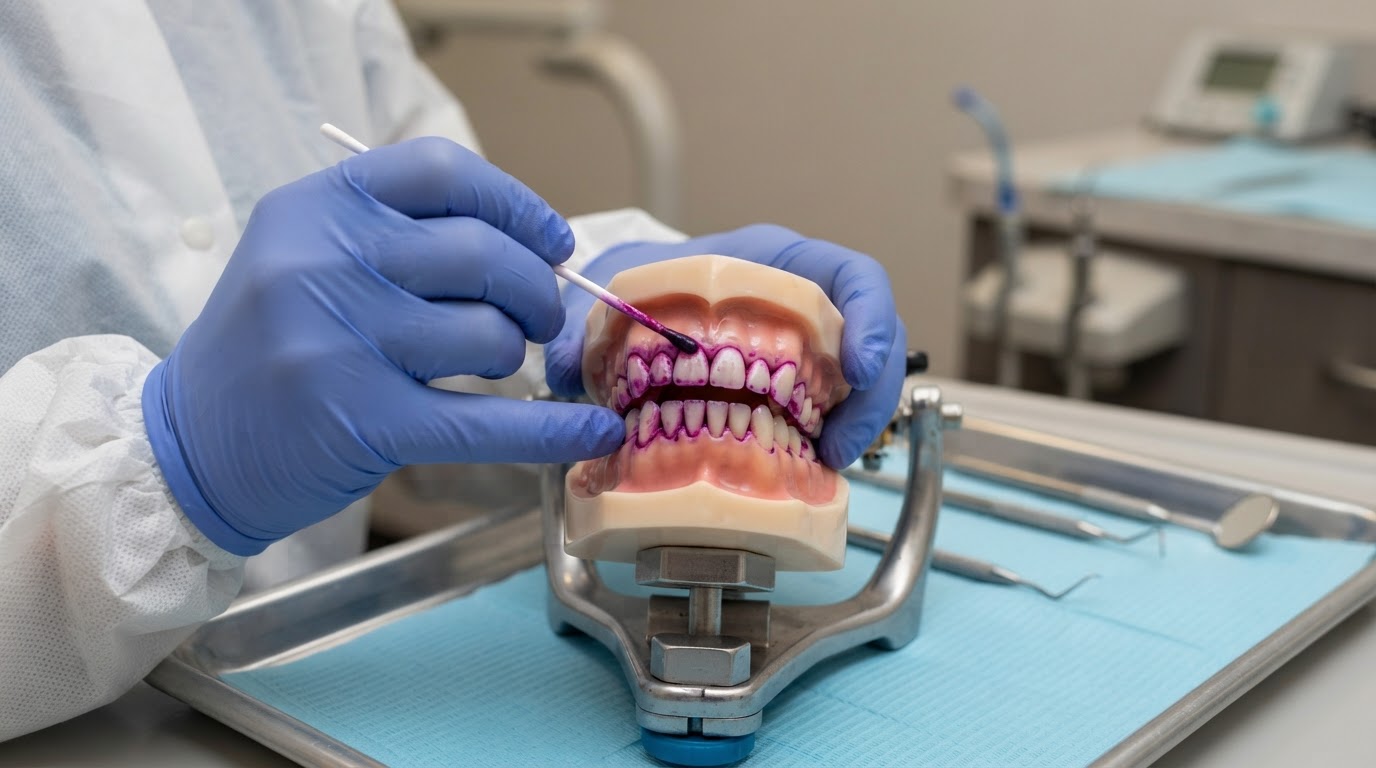
Moving Beyond Fixed Intervals
Fixed six-month recalls do not reflect individual risk. A structured caries risk assessment supports risk-based recall intervals and targeted preventive interventions.
Key Risk Factors to Document
- Current active caries and recent restoration history.
- Salivary function, including medication-induced dry mouth.
- Dietary frequency of fermentable carbohydrates.
- Fluoride exposure and home-care effectiveness.
Linking Risk to Action
Translate the assessment into a plan: high-risk patients may warrant shorter recalls, in-office fluoride, and adjunctive therapies. Document the rationale so the plan is consistent and defensible across providers.
Practical Takeaway
Document structured risk factors and translate them into a written plan that adjusts recall interval, fluoride frequency, and home-care coaching.
Authoritative Dental Resources
Join the RDHPlanet Weekly Newsletter
Practical, evidence-aware insights for working dental hygienists. Delivered straight to your inbox every Sunday.
Related Articles
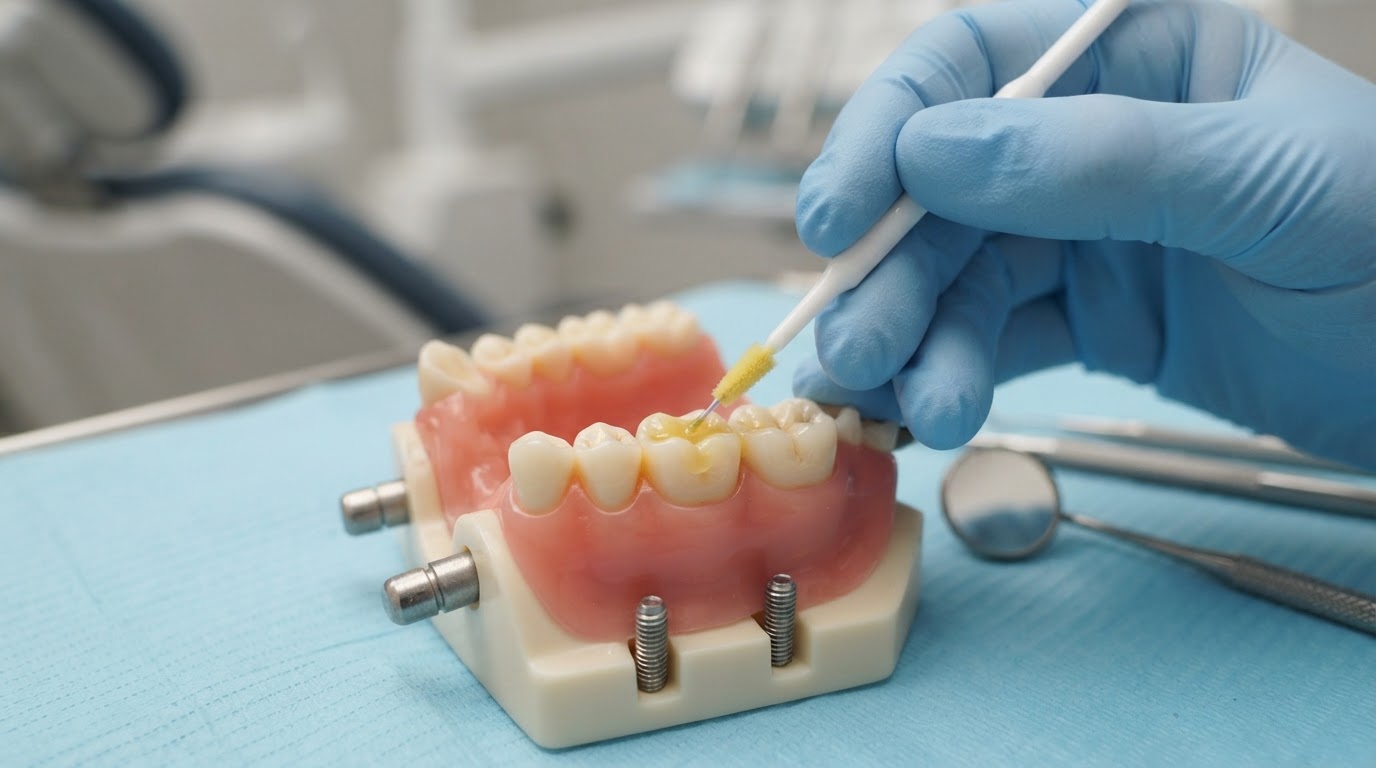
Fluoride Varnish Application: A Clinical Protocol
Apply fluoride varnish effectively using evidence-based indications, technique, and post-application guidance for patients.
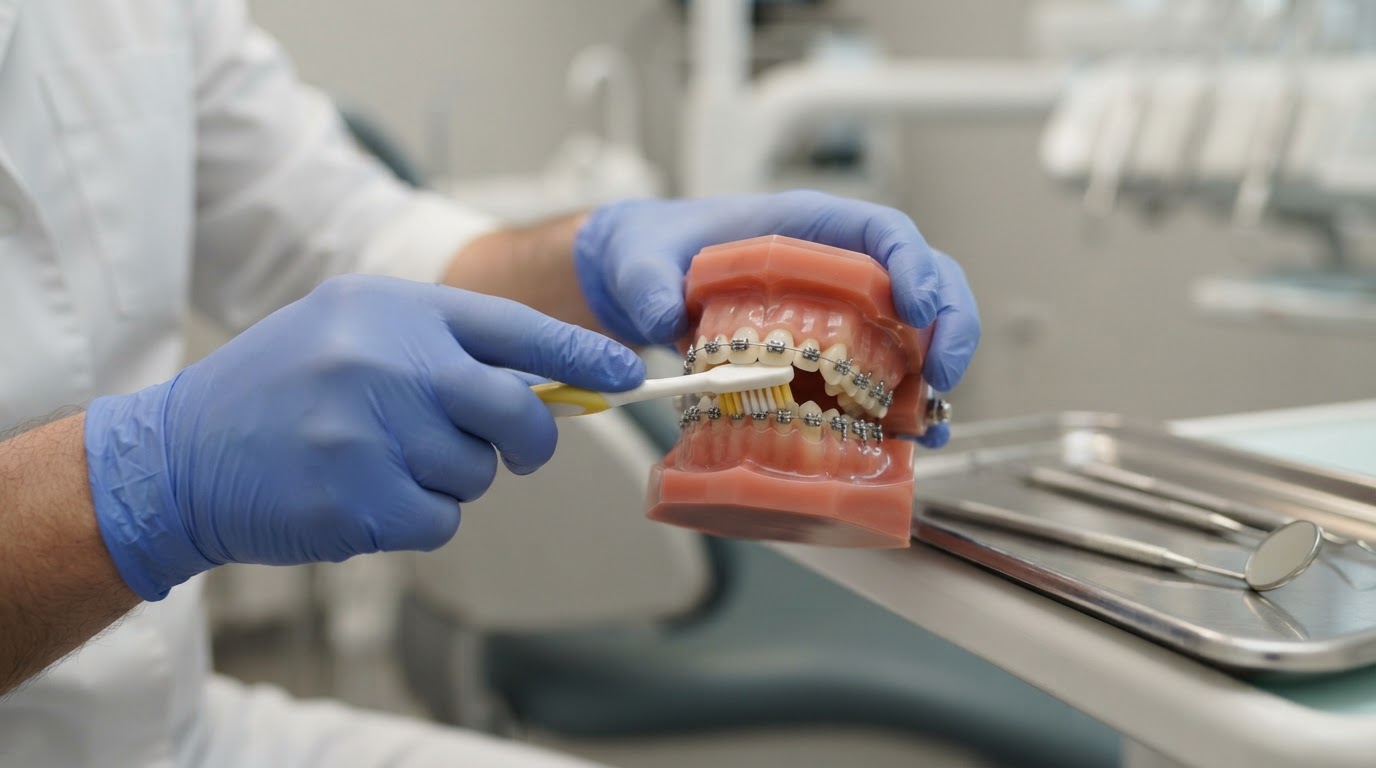
A Repeatable Framework for Oral Hygiene Instruction
Deliver individualized home-care coaching with a structured assess, demonstrate, and confirm approach that patients retain.