A Thorough Medical History Review Protocol
Conduct a systematic medical history review that identifies risk factors, medication effects, and necessary modifications.
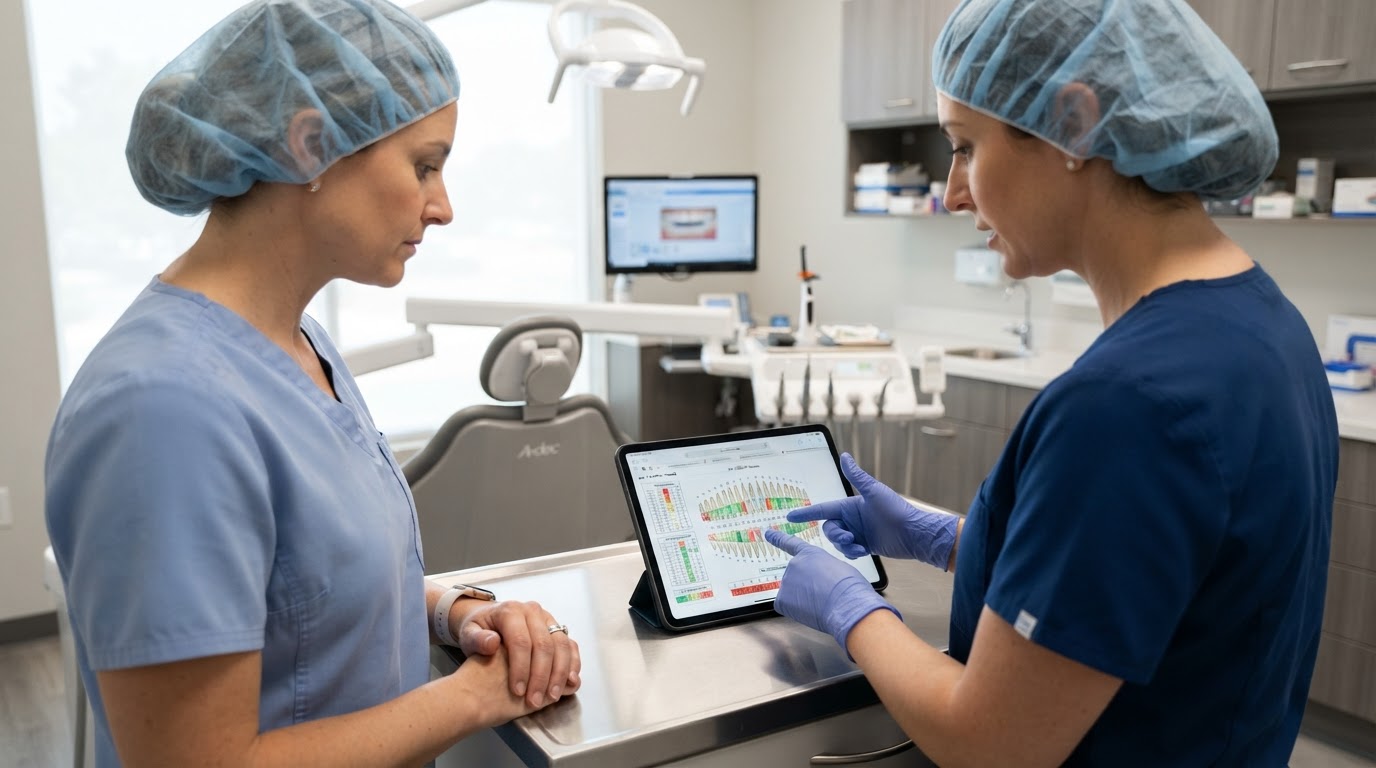
More Than a Checkbox
The medical history is a clinical tool, not a formality. A systematic review identifies conditions and medications that affect treatment planning and patient safety.
What to Confirm Each Visit
- Changes in health status, hospitalizations, or new diagnoses.
- New medications, especially anticoagulants, bisphosphonates, or dry-mouth-inducing drugs.
- Allergies and prior adverse reactions in the dental setting.
Linking Findings to the Plan
Translate findings into modifications: altered recall intervals, additional anesthesia considerations, or medical consultation. Document the reasoning so the plan is consistent across providers.
Practical Takeaway
Treat the medical history as a clinical tool, confirm changes every visit, and translate findings into documented treatment modifications.
Authoritative Dental Resources
Join the RDHPlanet Weekly Newsletter
Practical, evidence-aware insights for working dental hygienists. Delivered straight to your inbox every Sunday.
Related Articles
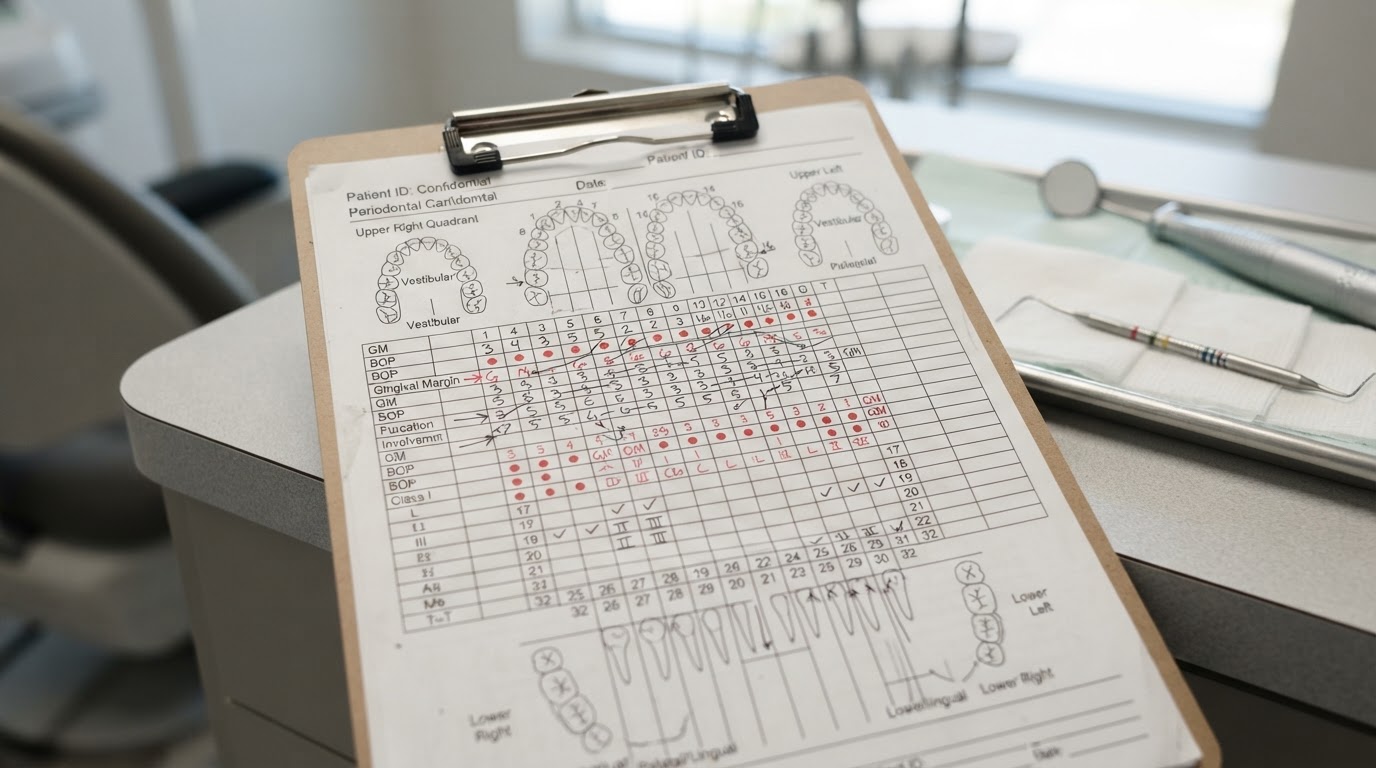
Setting Evidence-Based Periodontal Maintenance Intervals
Individualize periodontal maintenance intervals based on disease severity, risk, and patient self-care effectiveness.
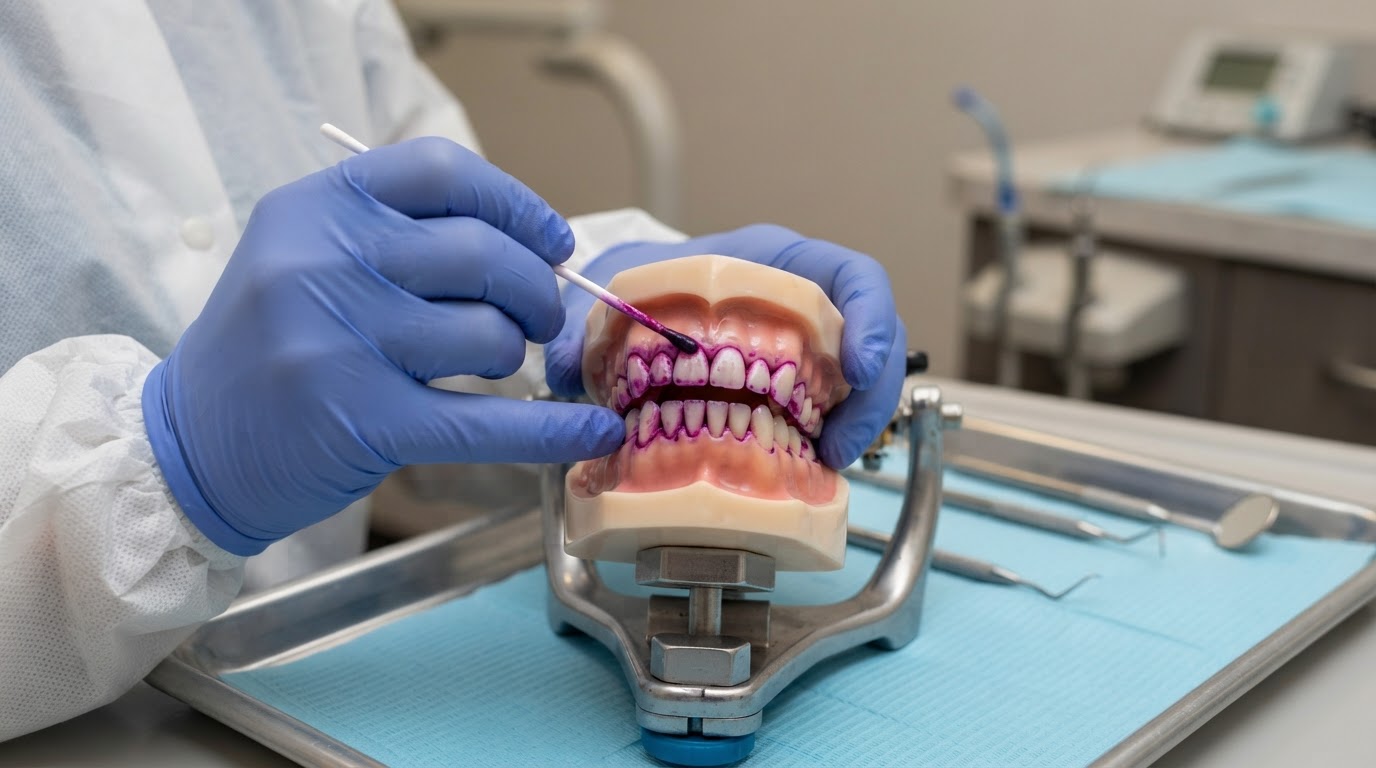
Caries Risk Assessment in the Hygiene Appointment
Use a structured caries risk assessment to individualize recall intervals, fluoride, and patient education.