Setting Evidence-Based Periodontal Maintenance Intervals
Individualize periodontal maintenance intervals based on disease severity, risk, and patient self-care effectiveness.
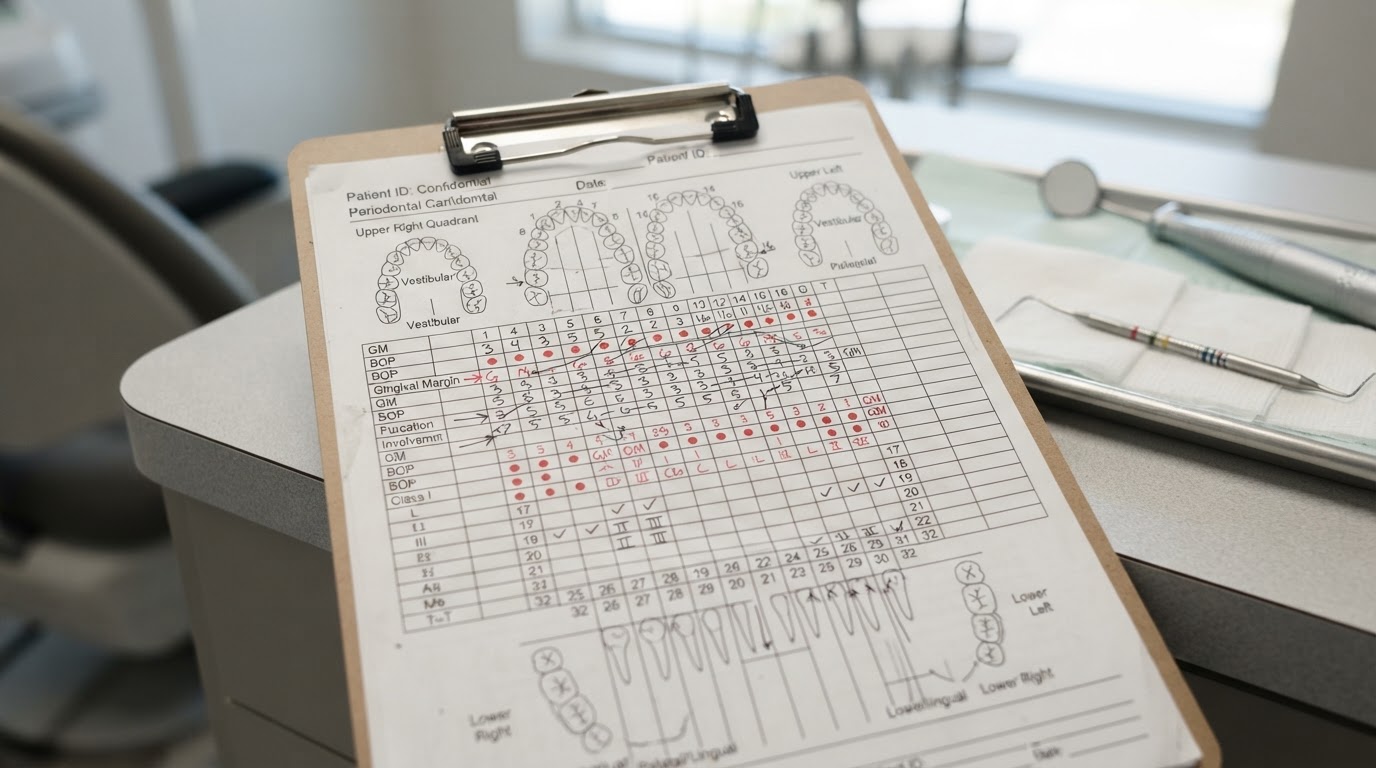
Beyond the Default Interval
Standard three-month maintenance is a starting point, not a rule. Intervals should reflect disease stability, risk factors, and the patient's ability to maintain biofilm control.
Factors That Shorten Intervals
- Active or recurrent bleeding on probing.
- Increasing probing depths or attachment loss between visits.
- Smoking, uncontrolled diabetes, or impaired dexterity.
Factors That Support Extension
Stable probing depths, no bleeding on probing, and excellent home care can support longer intervals. Document the clinical reasoning so the interval remains intentional and revisited at each visit.
Practical Takeaway
Individualize maintenance intervals to disease stability and risk, and document the clinical reasoning so the decision is revisited at every appointment.
Authoritative Dental Resources
Join the RDHPlanet Weekly Newsletter
Practical, evidence-aware insights for working dental hygienists. Delivered straight to your inbox every Sunday.
Related Articles
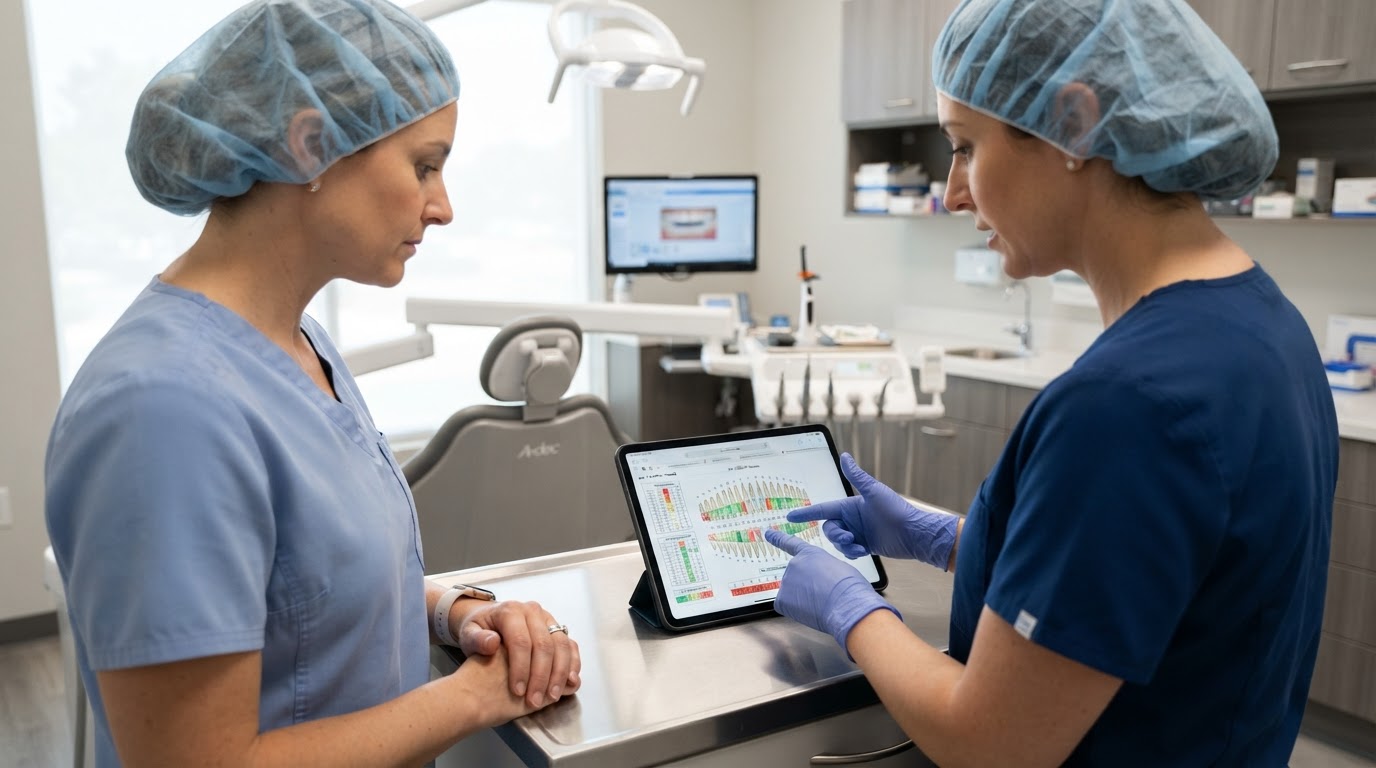
Periodontal Charting: A Reliable Assessment Protocol
A standardized probing protocol improves diagnostic accuracy and supports defensible, reproducible periodontal records.
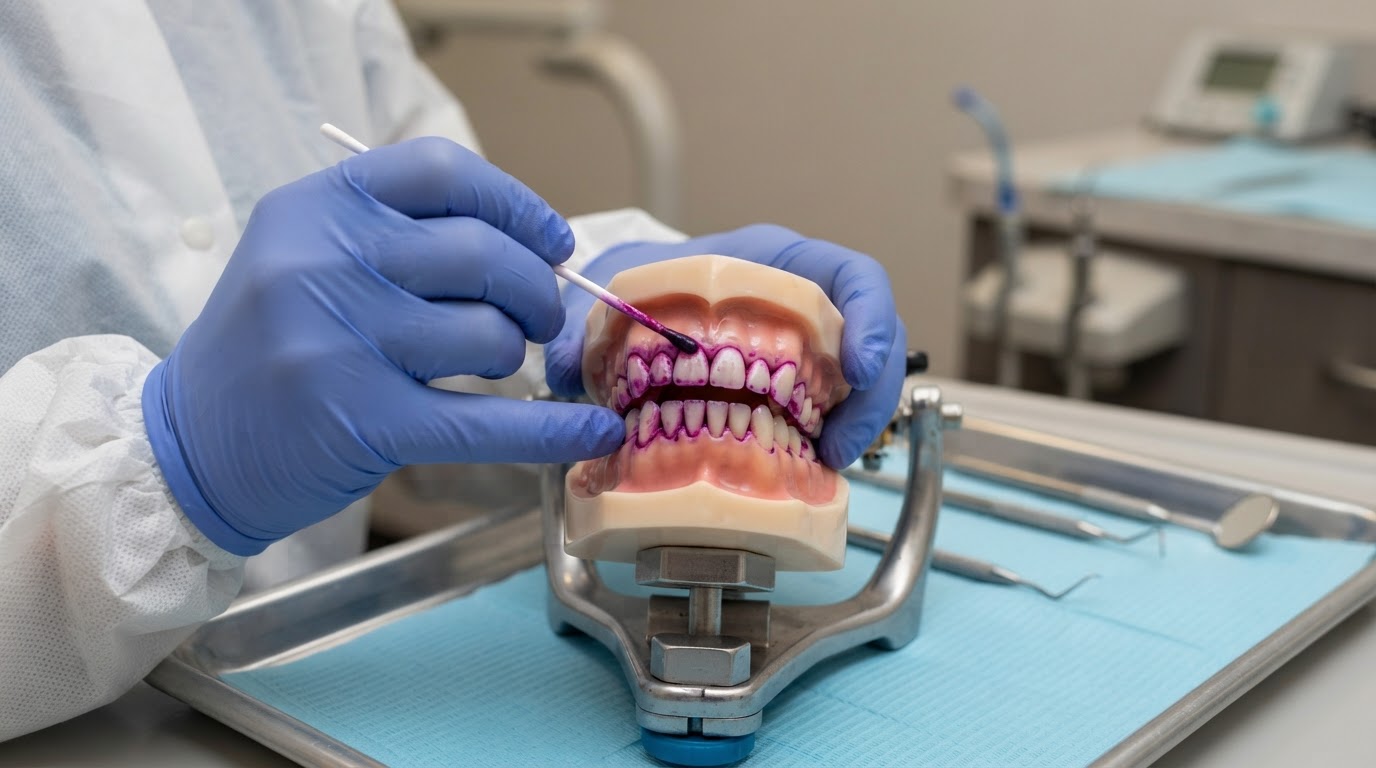
Caries Risk Assessment in the Hygiene Appointment
Use a structured caries risk assessment to individualize recall intervals, fluoride, and patient education.