Reducing Aerosol While Scaling Efficiently
Balance thorough debridement with aerosol reduction using lavage tuning, tip choice, and high-volume evacuation.
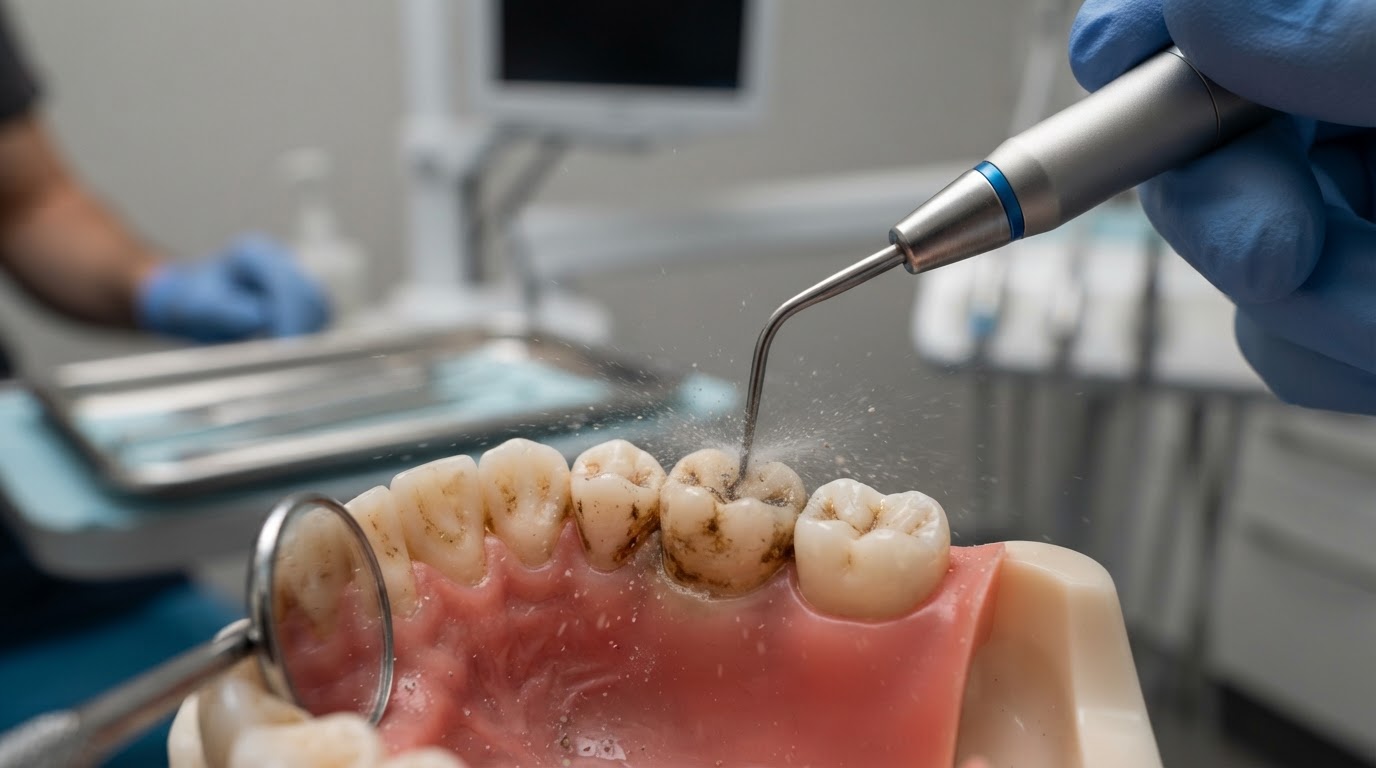
Tuning Lavage and Power
Sufficient water lavage prevents overheating and carries away debris, but excessive spray increases aerosol. Tune lavage to the minimum that keeps the tip cool and the field clear.
Tip and Evacuation Pairing
- Use a slim tip with low power for biofilm in tight subgingival spaces.
- Position high-volume evacuation within centimeters of the operative site.
- Combine pre-procedural rinsing with HVE to capture the bulk of generated particles.
Efficiency Without Compromise
Aerosol reduction and thorough debridement are not in conflict. Disciplined technique lets you scale efficiently while keeping exposure low for everyone in the operatory.
Practical Takeaway
Tune lavage to the minimum that keeps the tip cool, pair slim tips with low power, and keep high-volume evacuation close to the site to balance efficiency and aerosol control.
Disclosure: This post may contain affiliate links. If you purchase through these links, RDHPlanet may earn a small commission at no additional cost to you. We only recommend products we use and trust clinically. See our affiliate disclosure for full details.
Authoritative Dental Resources
Join the RDHPlanet Weekly Newsletter
Practical, evidence-aware insights for working dental hygienists. Delivered straight to your inbox every Sunday.
Related Articles
Ultrasonic Scaling: Best Practices for Clinical Outcomes
Optimize power scaling technique with tip selection, power settings, and lavage to improve outcomes and patient comfort.
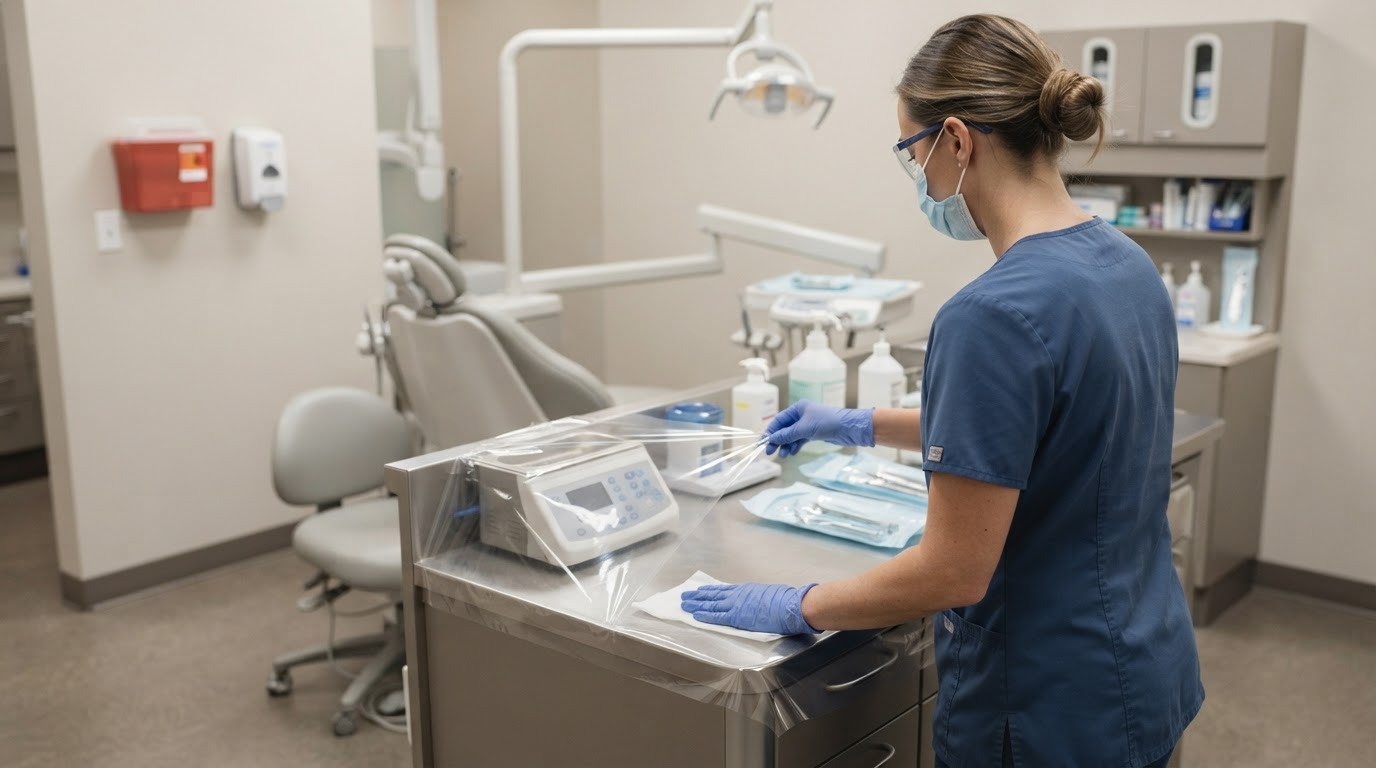
Aerosol Control in the Dental Hygiene Appointment
Reduce aerosol exposure with pre-procedural rinsing, high-volume evacuation, and barrier protocols that protect everyone.