Managing Dentinal Hypersensitivity During Treatment
Reduce chairside hypersensitivity with desensitizing agents, technique adjustment, and patient-centered communication.
Understanding the Mechanism
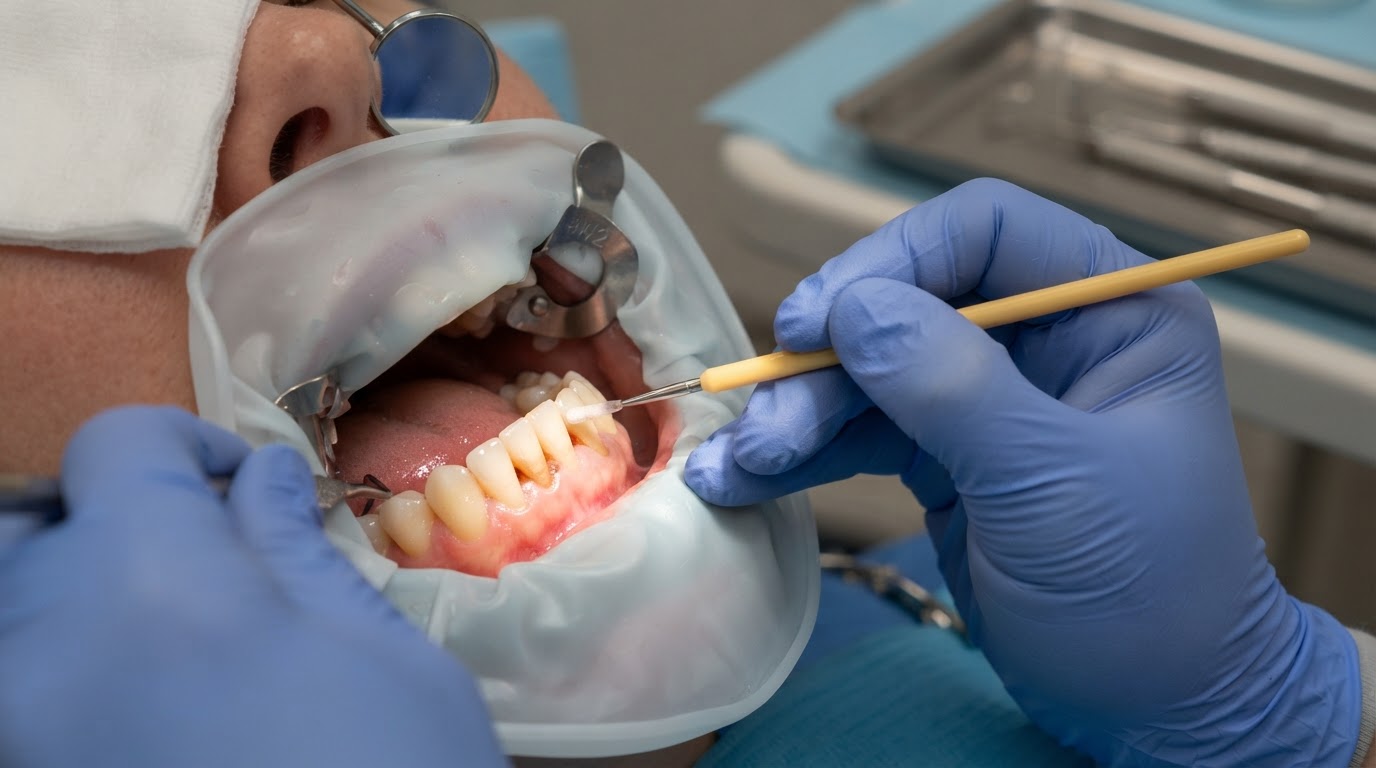
Dentinal hypersensitivity arises from fluid movement in open dentinal tubules that stimulates the pulp. Both chemical and mechanical approaches can reduce that fluid movement.
Chairside Interventions
- Apply a desensitizing agent or fluoride varnish to exposed cervical surfaces.
- Reduce ultrasonic power and water temperature to decrease thermal stimulus.
- Schedule scaling in short segments with rest breaks for the patient.
Home-Care Coaching
Recommend a desensitizing dentifrice and gentle technique. Document which agents were applied so the next visit continues the plan rather than restarting it.
Practical Takeaway
Combine chairside desensitizing agents with adjusted ultrasonic technique and home-care coaching to manage hypersensitivity across visits.
Disclosure: This post may contain affiliate links. If you purchase through these links, RDHPlanet may earn a small commission at no additional cost to you. We only recommend products we use and trust clinically. See our affiliate disclosure for full details.
Authoritative Dental Resources
Join the RDHPlanet Weekly Newsletter
Practical, evidence-aware insights for working dental hygienists. Delivered straight to your inbox every Sunday.
Related Articles
Fluoride Varnish Application: A Clinical Protocol
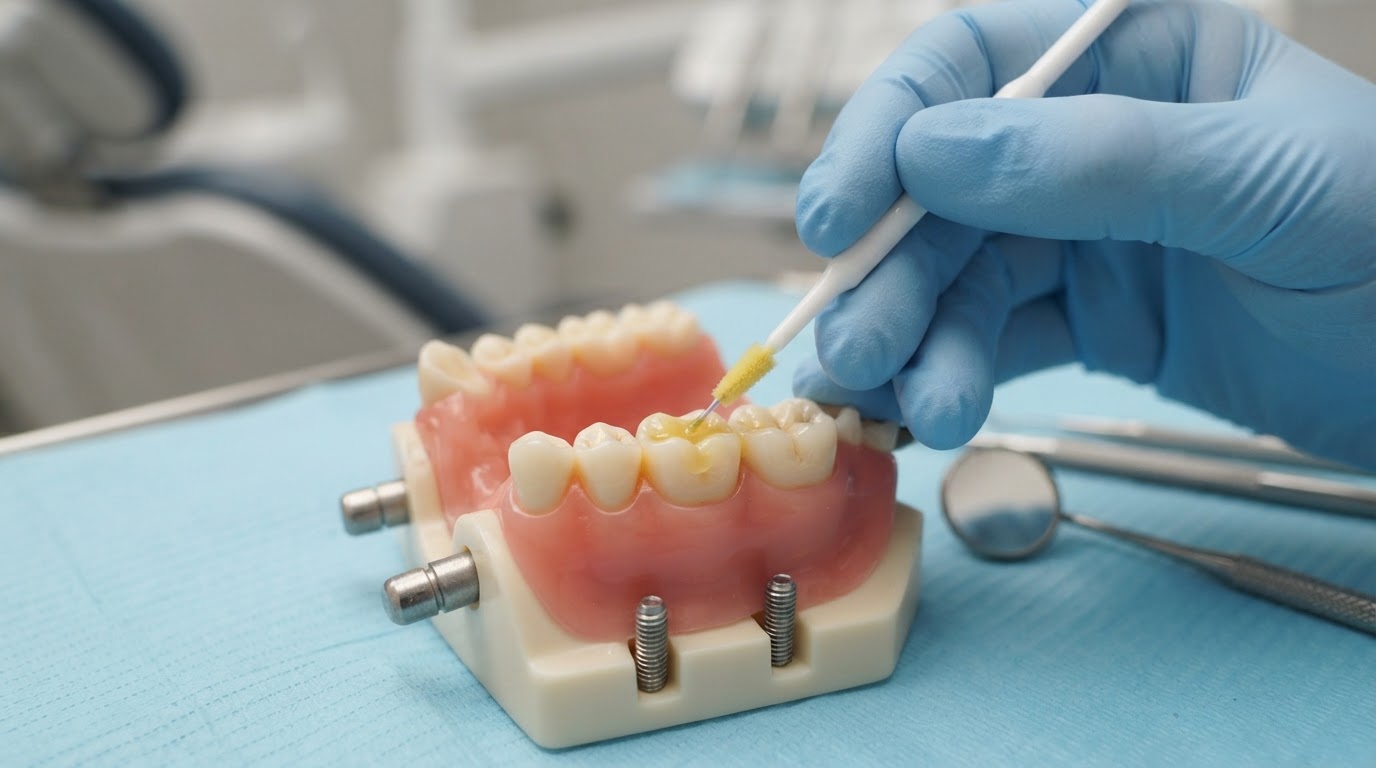
Apply fluoride varnish effectively using evidence-based indications, technique, and post-application guidance for patients.
Ultrasonic Scaling: Best Practices for Clinical Outcomes
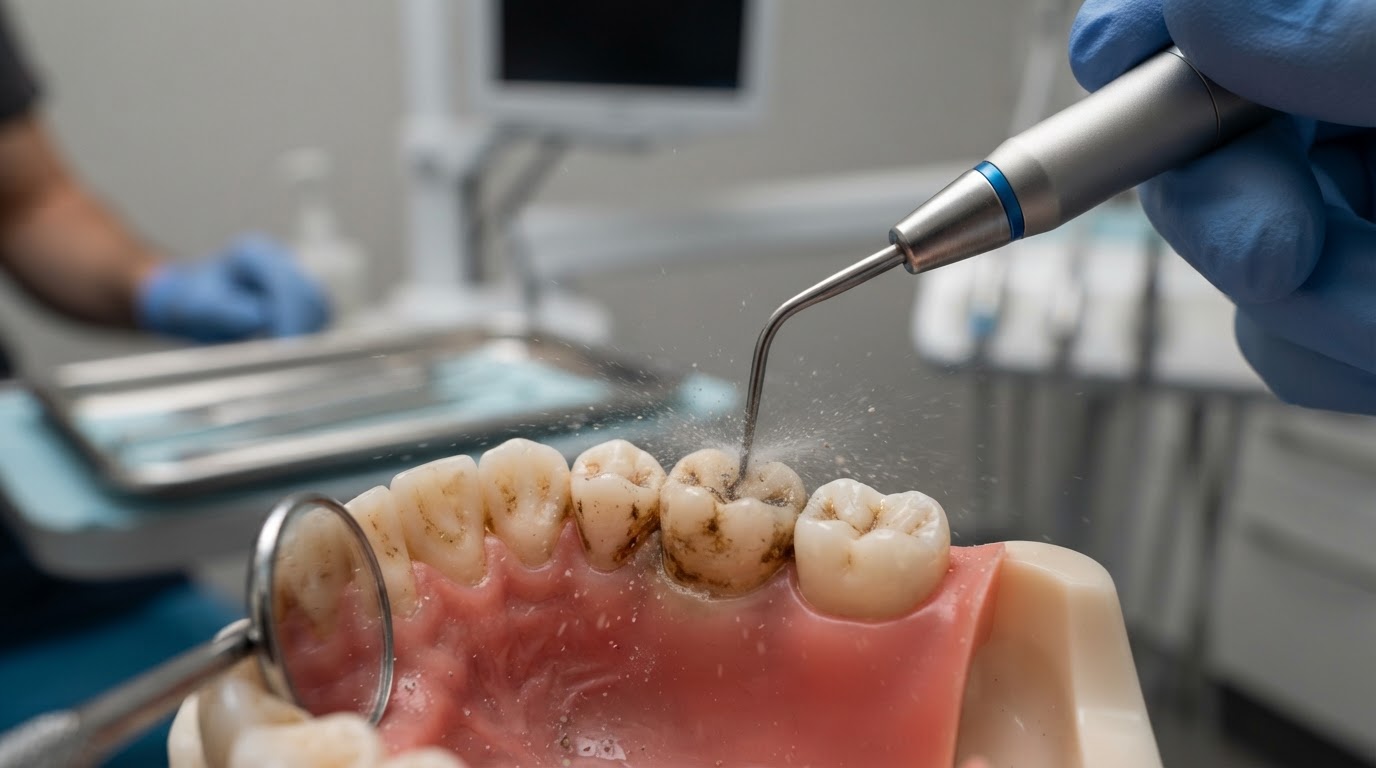
Optimize power scaling technique with tip selection, power settings, and lavage to improve outcomes and patient comfort.